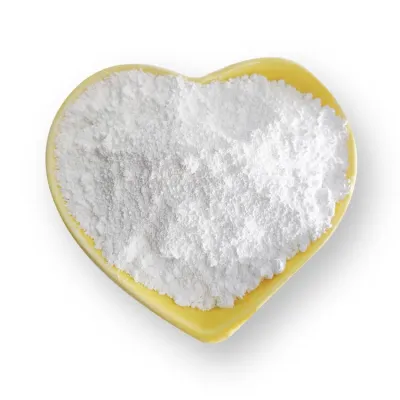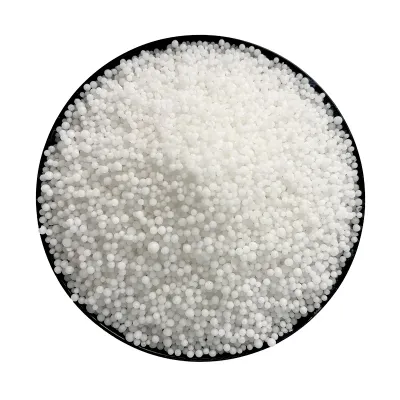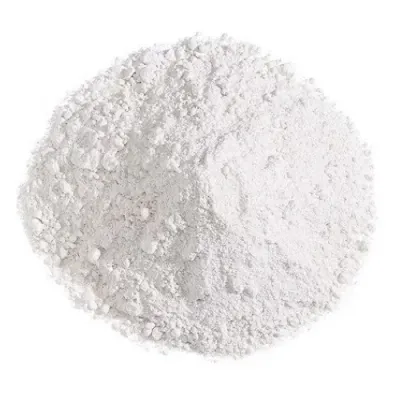
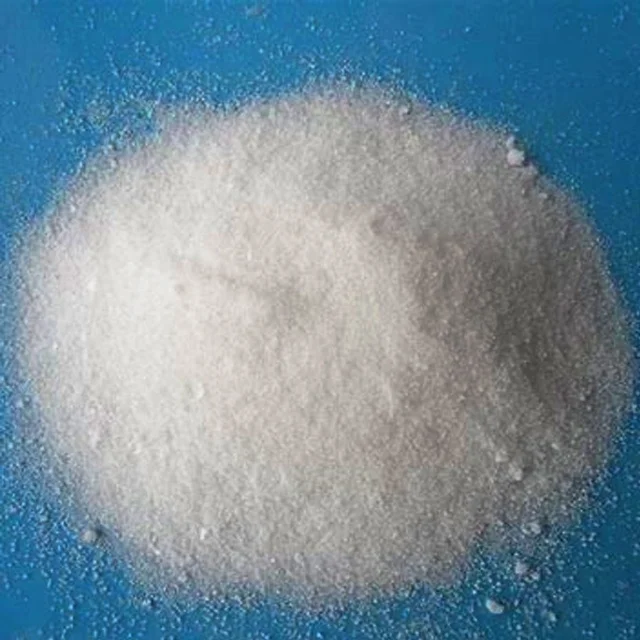
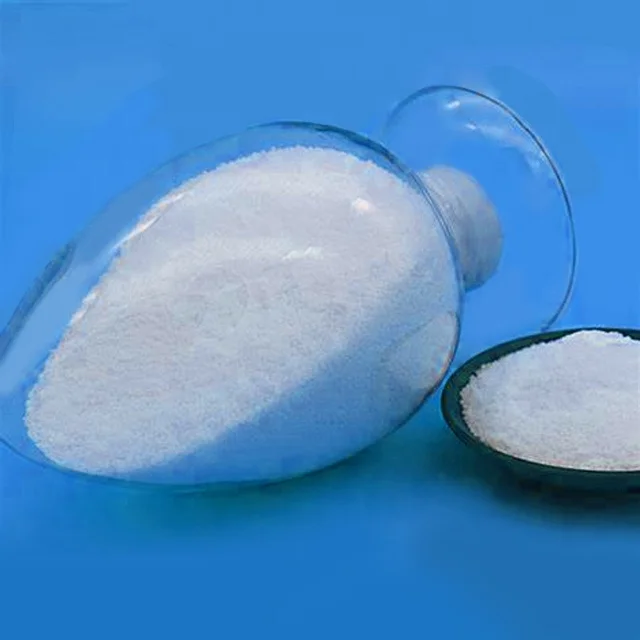
Industrial Ammonium Chloride NH4CL 99.3%–99.5% White Crystalline Powder, CAS 12125-02-9, for Grade Assessment
-
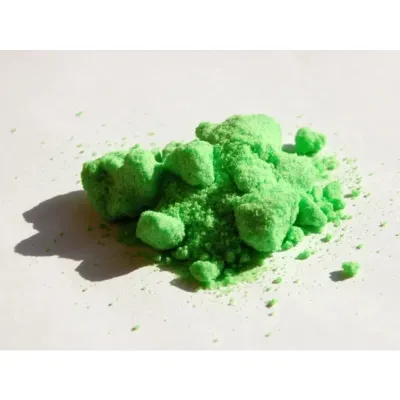
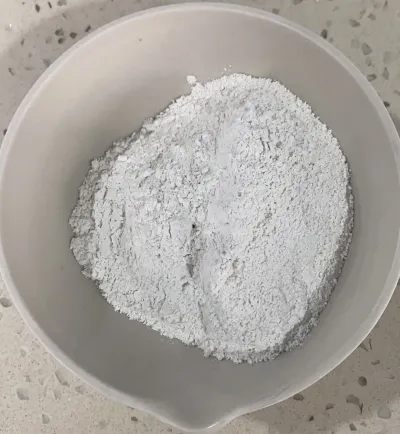
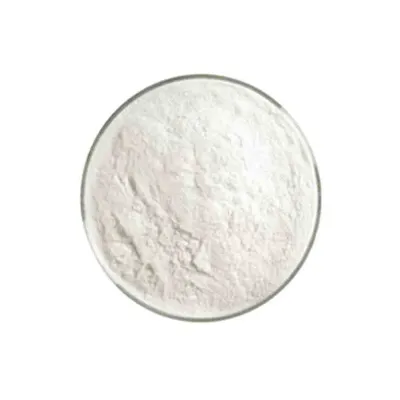
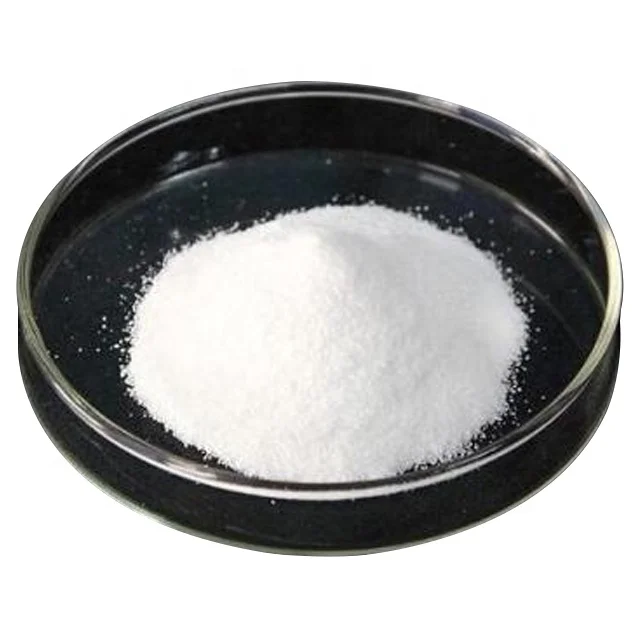
ColorWhitePhysical formCrystalline , Powder
-
CAS No.12125-02-9Purity99.3%-99.5%
-
AppearanceWhite crystalline powderApplicationindustrial
-
ClassificationChlorideEINECS No.235-186-4
-
Grade StandardIndustrial Grade, Reagent GradeMolecular FormulaNH4CL
-
Other NamesNH4CLTypechloride
-
Product NameAmmonium chlorideGradeIndustral Grade
-
CAS12125-02-9ColorWhite crystalline powder
-
HS CODE28271000Package25kg PP Woven Bags
-
EINECS number235-186-4StorageCool Dry Place
-
SolubilitysolubleDensity1.52
An ammonium chloride enquiry should identify the actual assay required and the grade evidence needed by the user. This industrial material is described as white crystalline powder with purity 99.3%–99.5% and the formula designation NH4CL.
Clarify the offered assay within the stated range
Request current analysis naming the actual material and the method behind its assay. The range does not establish separate selectable grades, so confirm the offered value and the individual impurities relevant to the intended industrial requirement.
Assess reagent requirements through their own qualification
If a reagent application is intended, specify the required standard and acceptance limits during enquiry. A reagent-grade description alone does not establish that the offered industrial material meets those requirements; obtain current documentation for the actual grade.
- Analytical questions
- Which assay method, individual impurities and acceptance limits apply to the offered material?
- Physical questions
- Which crystalline-powder measurements and handling observations are needed by the actual process?
Confirm solution conditions and current storage instructions
Ask for solvent, temperature and test conditions when solution behaviour matters to the project. An unqualified soluble description does not provide a quantitative result or establish behaviour under the intended conditions.
A cool, dry place is the stated storage direction; review the current safety and technical documentation for more specific requirements. Provide the actual material duty and evaluate relevant sample results, keeping the grade identity and analysis with the acceptance decision rather than inferring qualification from a broad label.