-
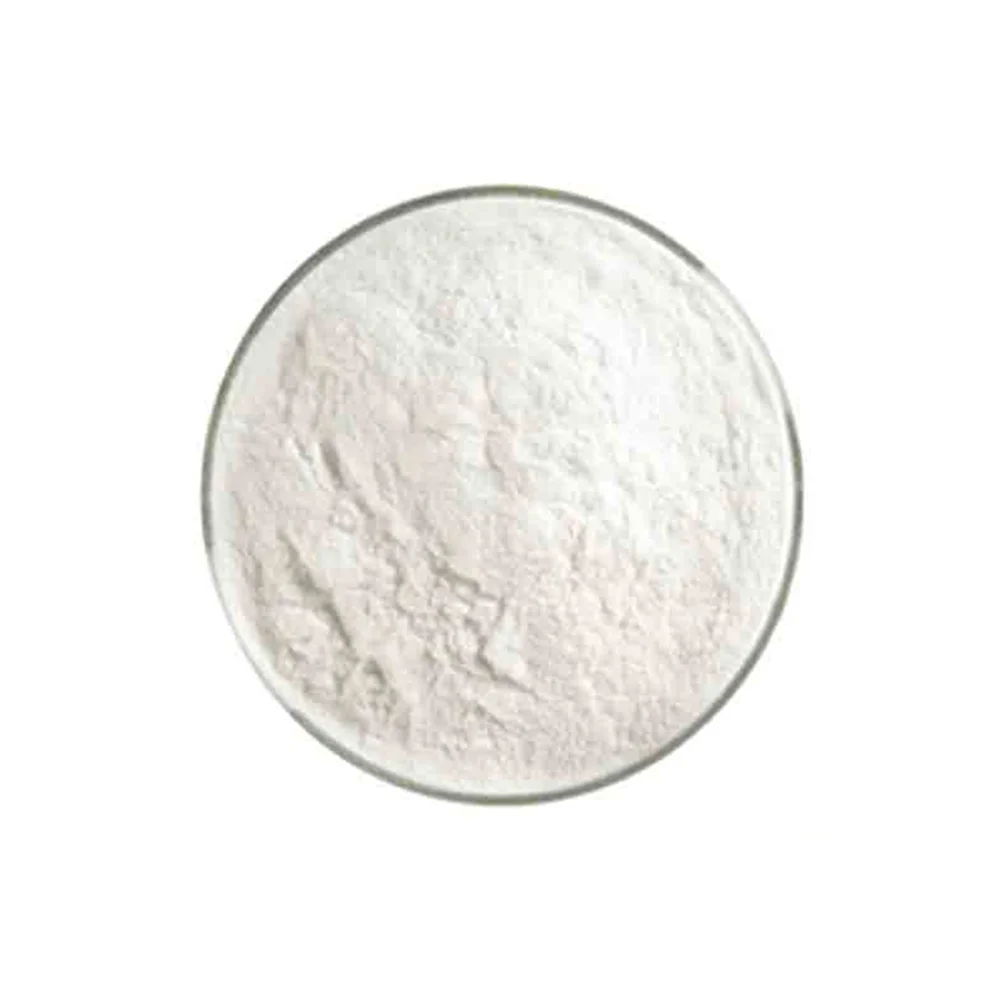
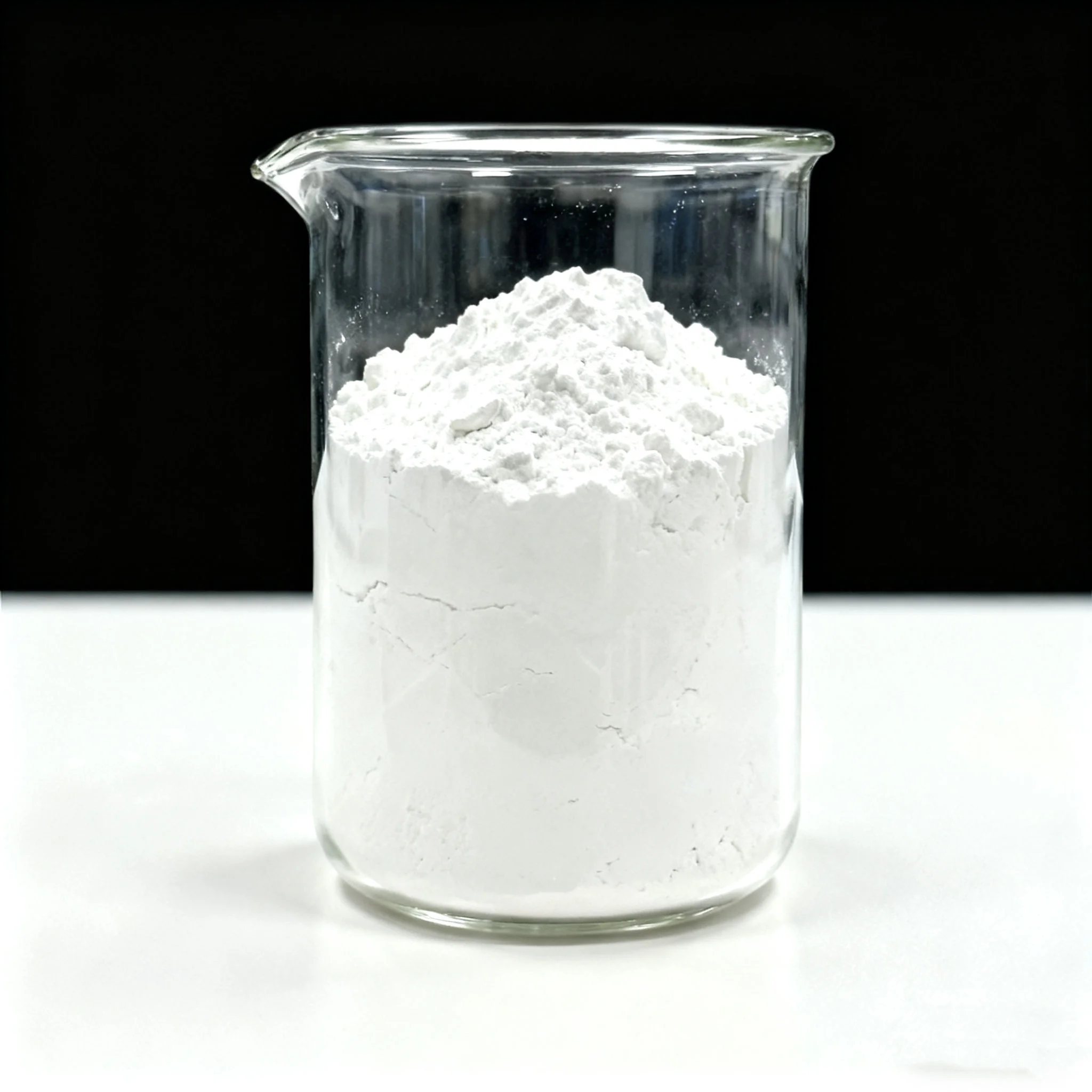
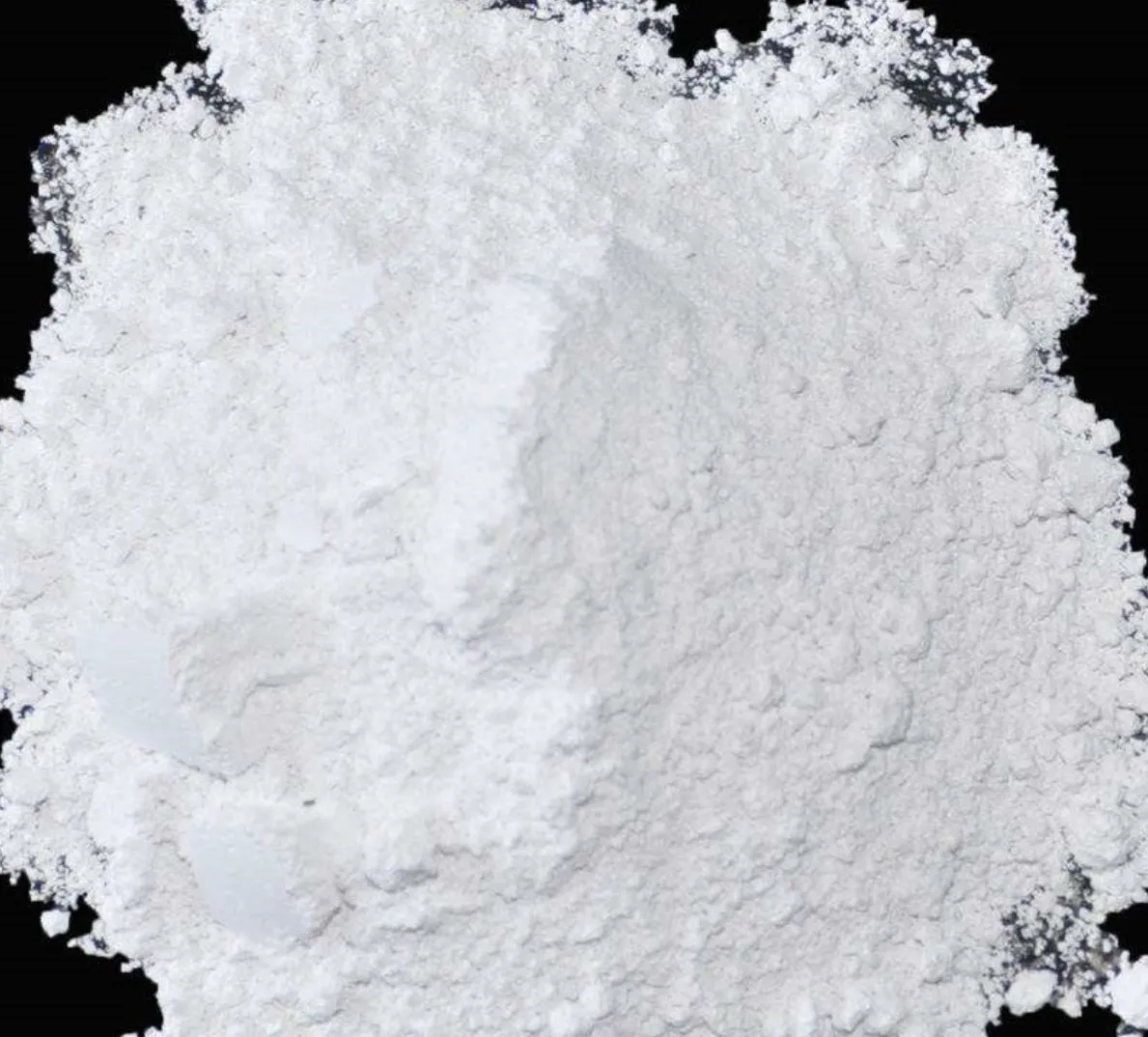
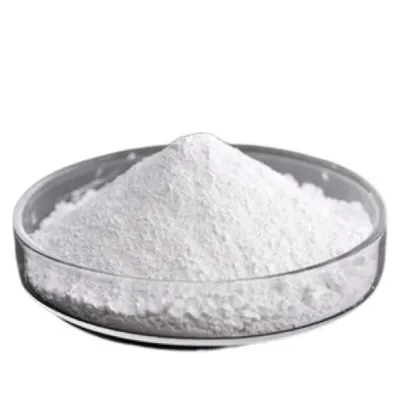
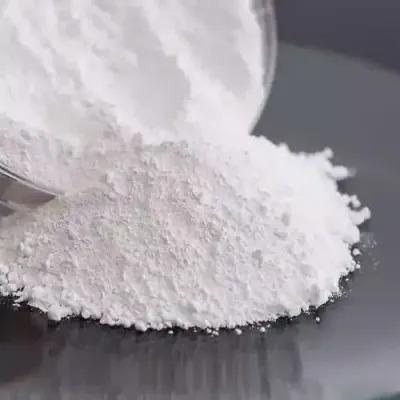
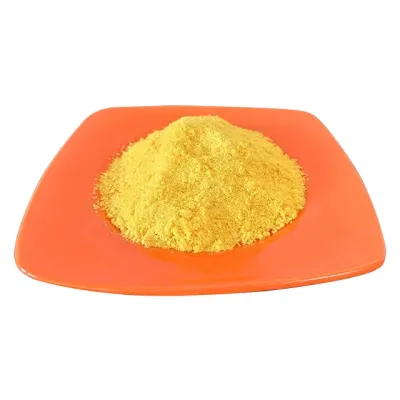
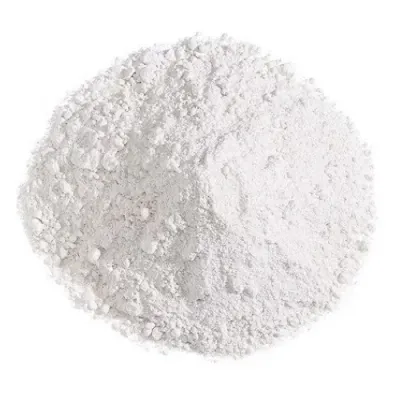
ColorWhitePhysical formPowder
-
CAS No.1305-62-0Purity98%+
-
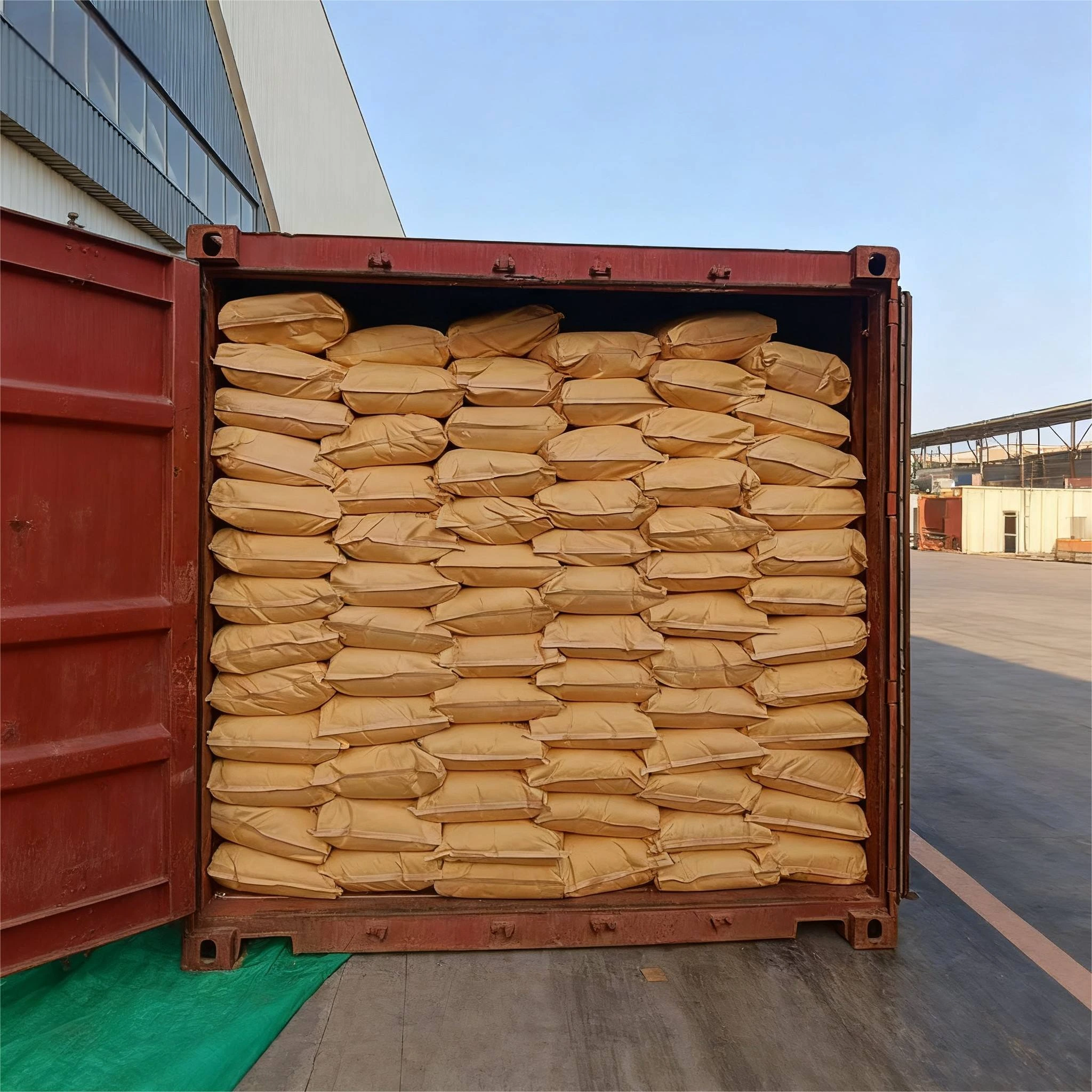
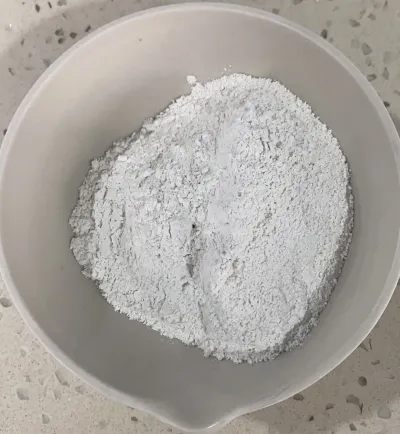
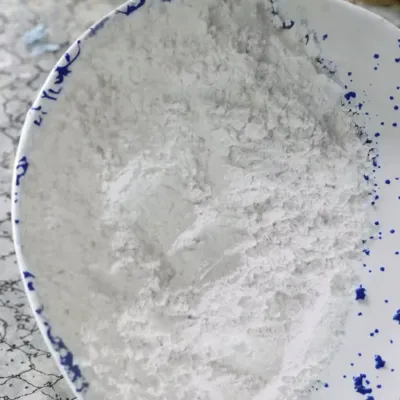
Appearancewhite powderApplicationFor use as a food additive
-
ClassificationCalcium HydroxideEINECS No.215-137-3
-
Grade StandardFood GradeMolecular FormulaCa(OH)2
-
Other Namesslaked lime
A food-additive enquiry needs more than a calcium hydroxide assay. This white powder is identified as Ca(OH)2, also called slaked lime, with a stated purity of 98%+. Those material facts support an initial comparison; the proposed application requires its own documentary qualification.
Distinguish the 98%+ assay from an application decision
The purity figure describes one chemical measurement. It does not replace a complete specification or show that a particular food-use requirement has been met. Ask for the batch result and its test method, then compare the remaining impurity limits with the specification your application requires.
Build a document set for the intended additive enquiry
Request the relevant product specification and grade-compliance evidence for the exact material being offered. The documents should identify the batch or grade they cover. Any decision about suitability should follow the applicable requirements and qualified review, rather than the purity percentage or the product name alone.
Keep the slaked-lime sample identifiable throughout review
Use calcium hydroxide, Ca(OH)2, and the supplied CAS 1305-62-0 and EINECS 215-137-3 identifiers in the technical correspondence. Attach the white-powder description and 98%+ assay to the same request. This helps prevent a discussion of a general chemical family from being mistaken for acceptance of a particular grade.
Before moving beyond a sample enquiry, establish which analyses and application documents the buyer must review. No dosage, jurisdiction-specific approval or food-use suitability follows from this description. The practical next step is a complete, grade-specific evidence package that procurement and technical reviewers can assess together.