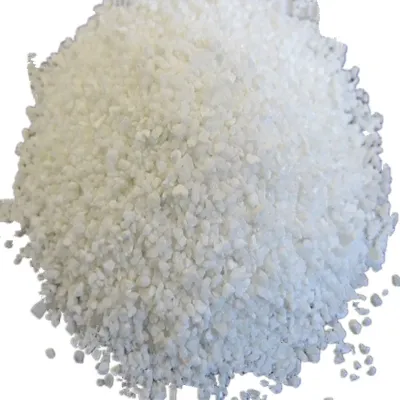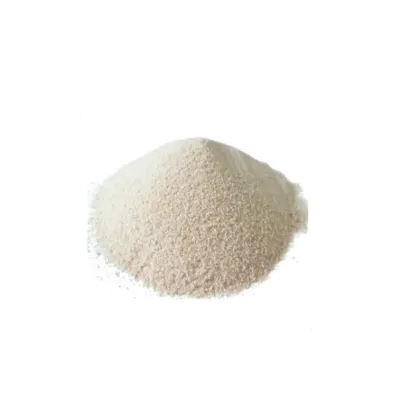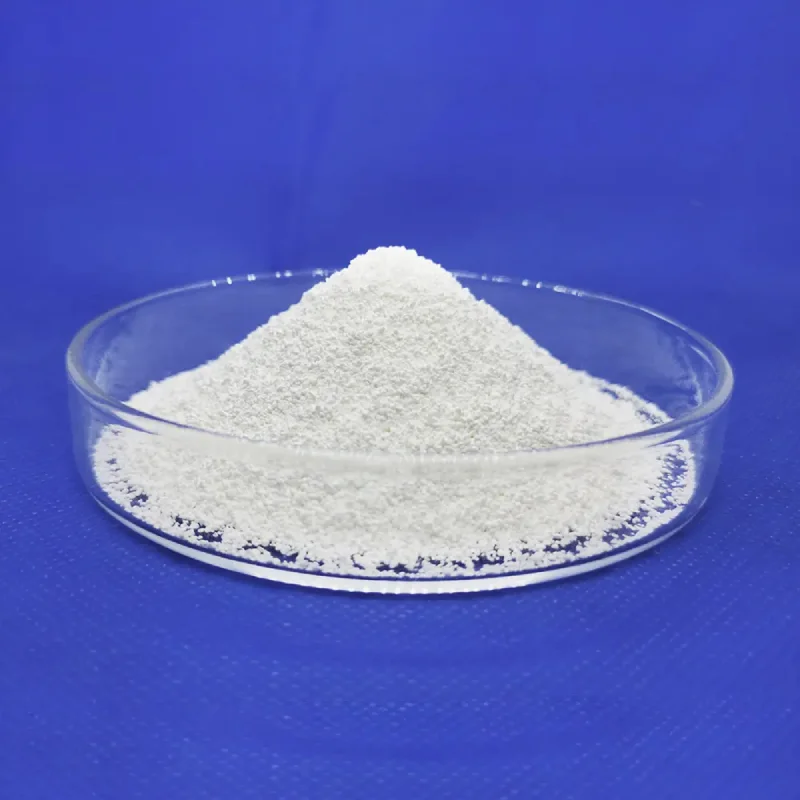
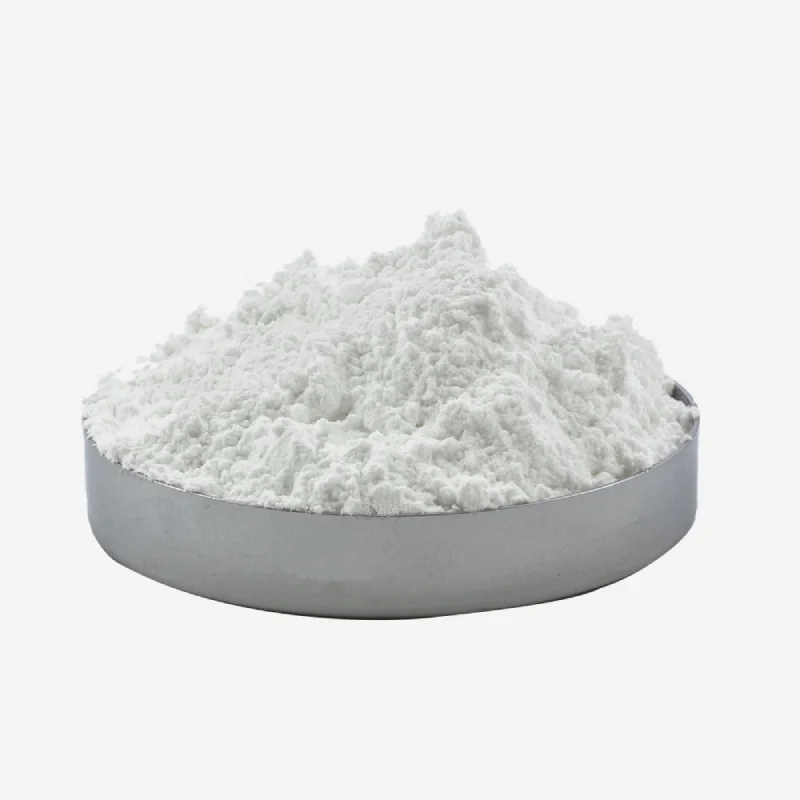
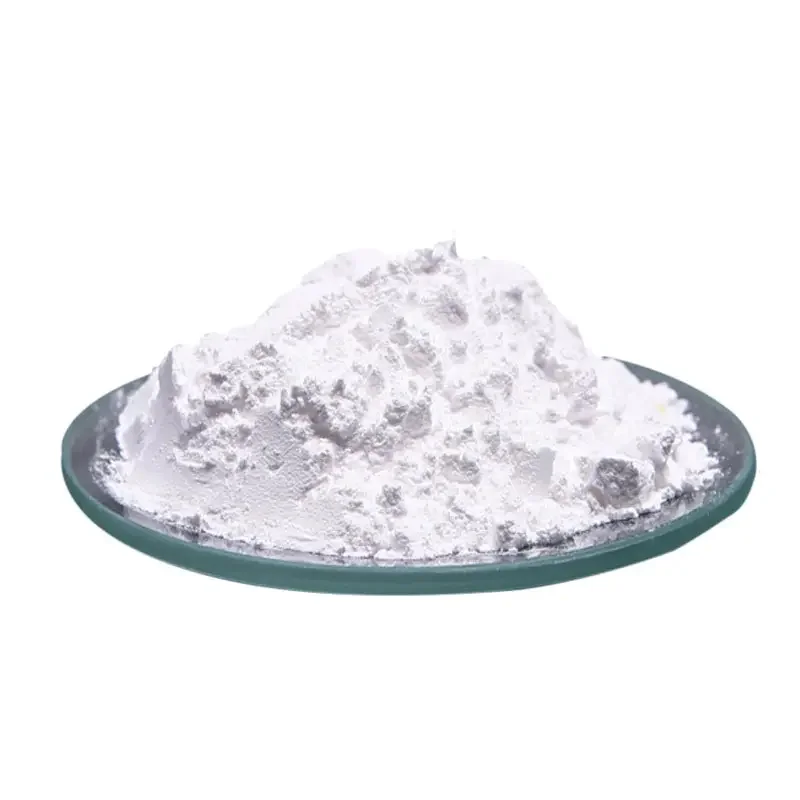
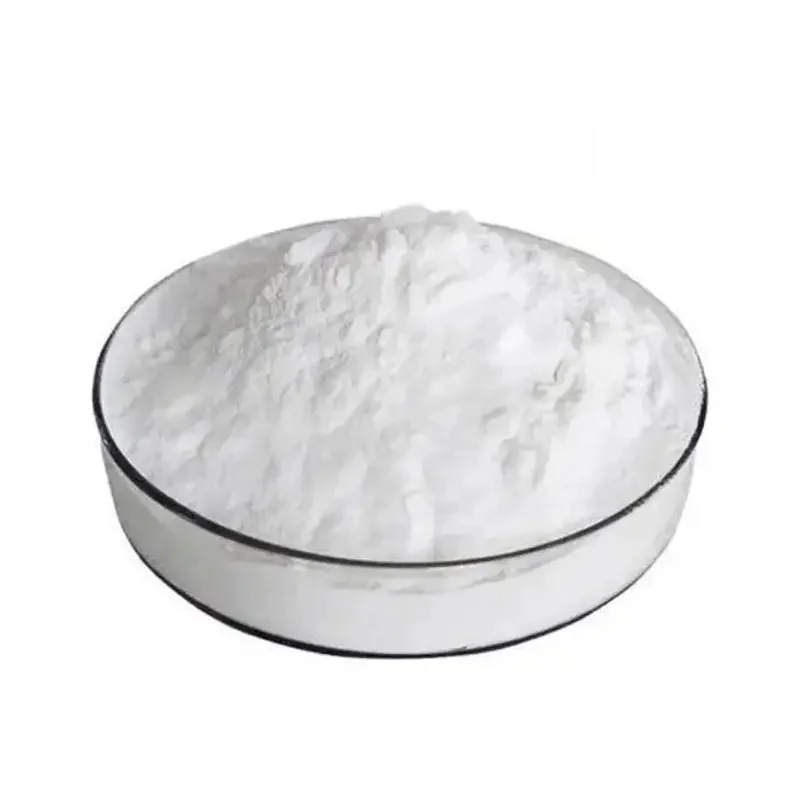
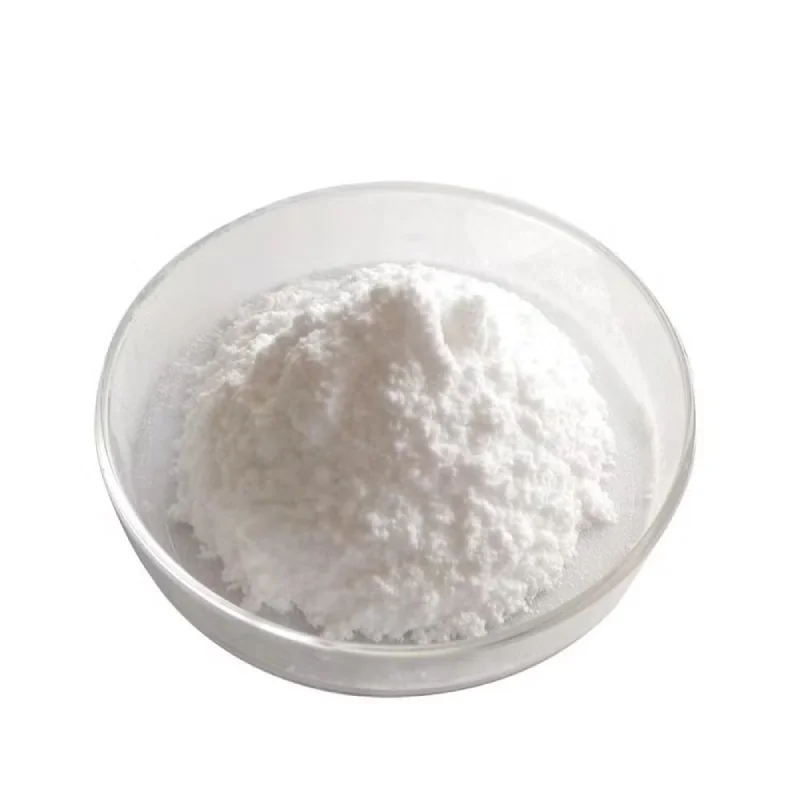
Industrial Barium Carbonate BaCO3 Powder for Glass and Enamel, 99.0% Purity and 325 Mesh
-
Particle-size designationMesh designationColorWhite
-
Physical formPowder
-
CAS No.513-77-9Purity99.0%
-
AppearanceWhite PowderApplicationCeramics, Glass, Ferrite, Electronic Industry, Ceramics, Glass, Ferrite, Electronic Industry, Enamel
-
ClassificationCarbonateEINECS No.208-167-3
-
Grade StandardIndustrial GradeMolecular FormulaBaCO3
-
Other NamesCarbonic Acid Barium SaltTypeBarium Carbonate
-
Product NameBarium CarbonateDensity4.43 g/cm³
-
Melting Point811°C (Decomposes)SolubilityInsoluble in Water
-
Particle Size325 MeshStorageCool, Dry and Well-Ventilated Place
-
Shelf Life24 MonthsPackaging25kg PP Woven Bag / 1000kg Jumbo Bag
-
SampleAvailable
Consistency in a glass or enamel material should be judged through comparable reports and process results. This industrial barium carbonate is a white BaCO3 powder with stated purity of 99.0%. The particle designation is 325 mesh and stated density is 4.43 g/cm³.
Choose the glass or enamel acceptance measures first
Identify the composition and finished-material criteria that the project must meet. Request current analysis for the actual sample and specify any additional constituent limits. A general quality description does not define an acceptable variation range or guarantee the result of a formulation.
Compare carbonate reports on a common basis
Confirm the sieve standard and passing criterion behind the mesh designation. Review the density method and sample preparation before comparing figures from different powders. If consistency over multiple supplies matters, request relevant comparable analyses and agree how the results will be assessed.
Use thermal evidence relevant to the finished material
Describe the intended process and obtain appropriate thermal analysis for the supplied carbonate. Clarify which thermal event and conditions the report addresses. Do not substitute a general temperature entry for process-specific evidence or a qualified operating instruction.
- What should the trial use?
- The exact powder sample and the intended glass or enamel formulation.
- What should the review retain?
- Current composition, sieve, density and relevant process reports linked to that sample.
Ceramic, ferrite and electronic-industry enquiries need their own qualification criteria. Review the compound-specific technical documents and supplied storage instructions alongside the actual trial results before acceptance.