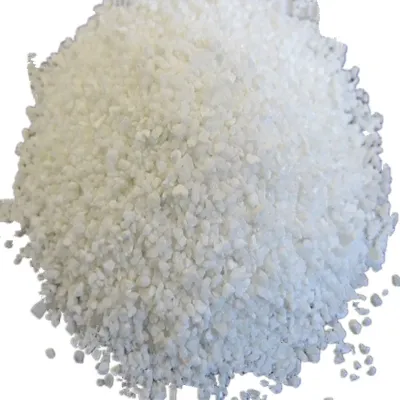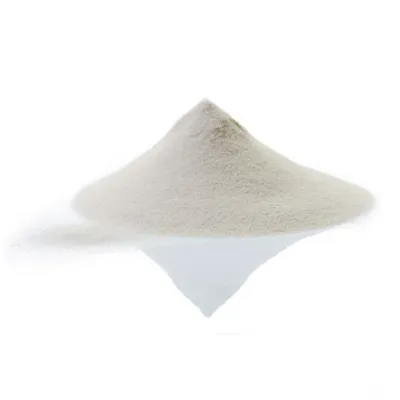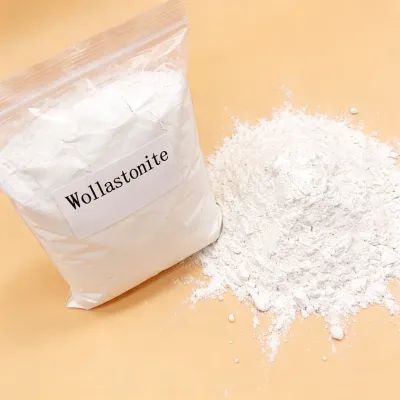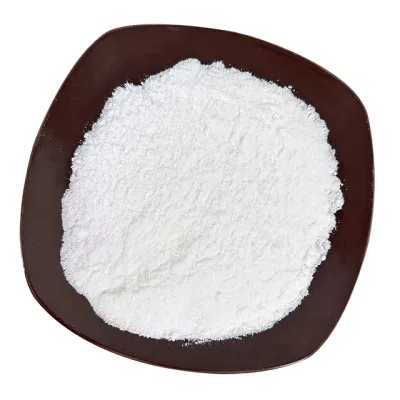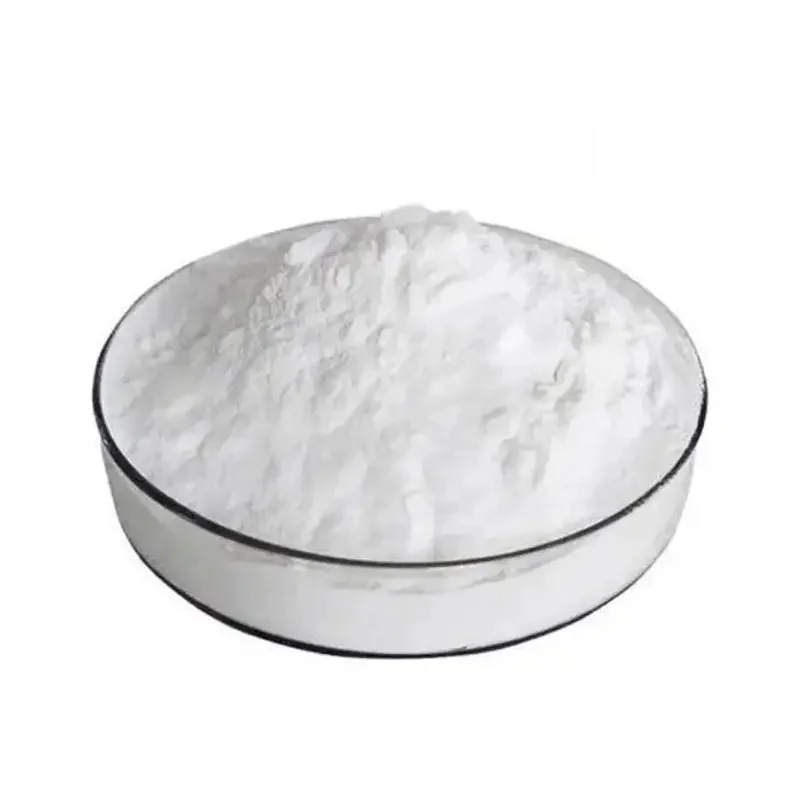
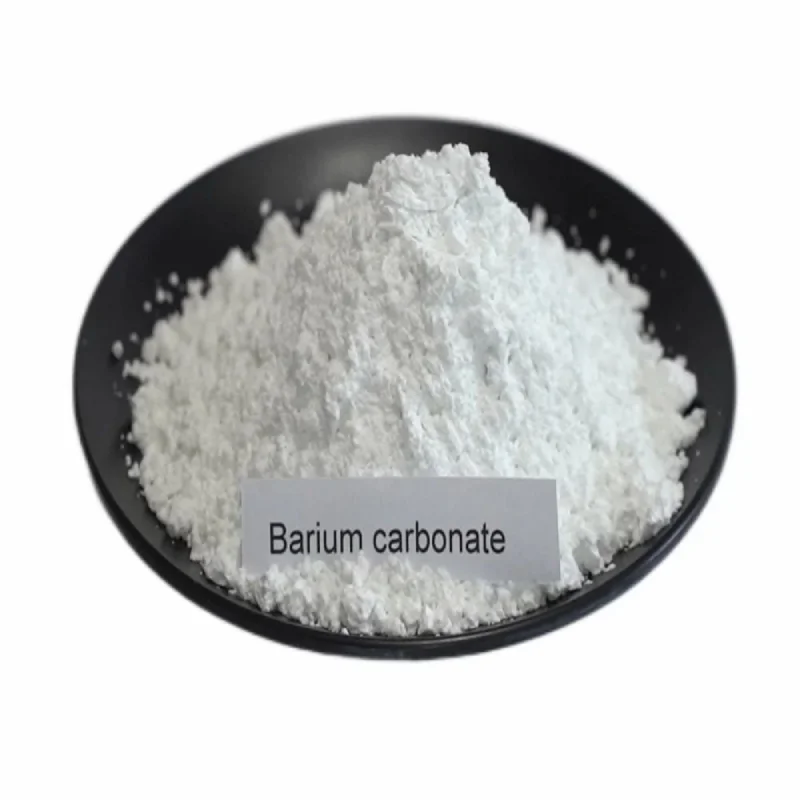
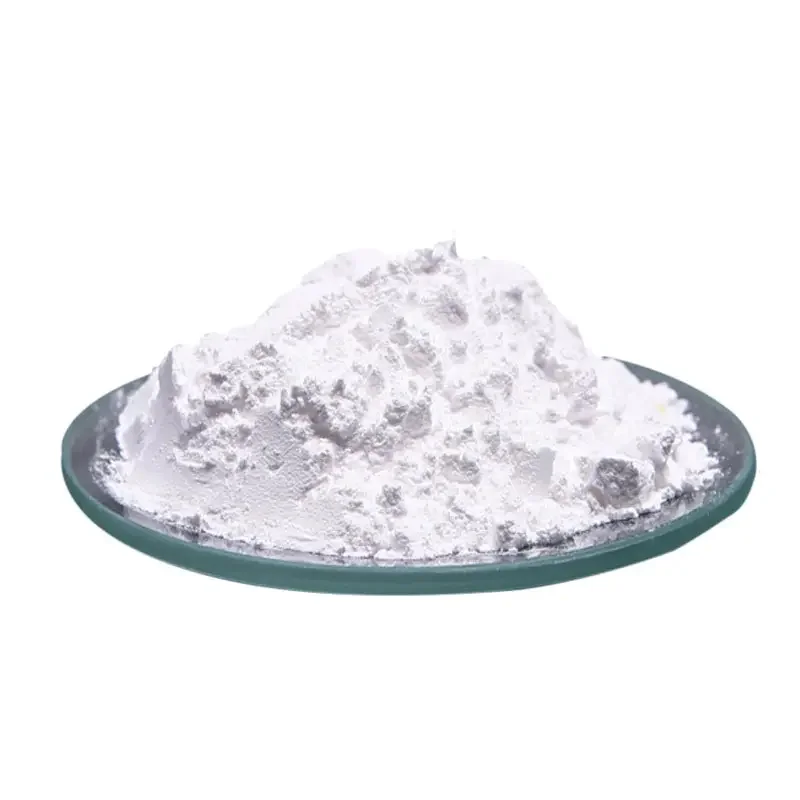
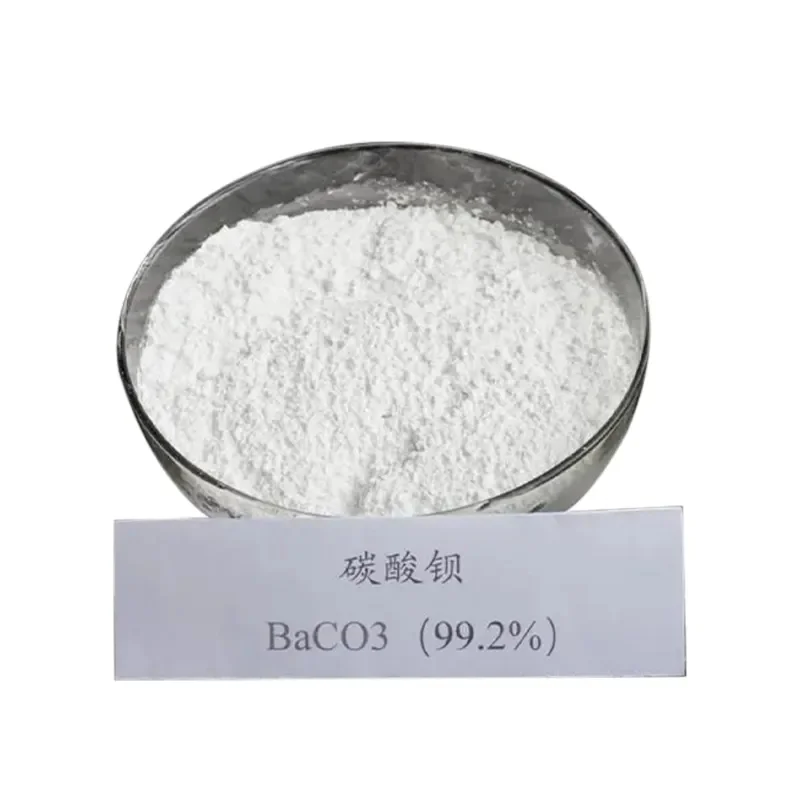
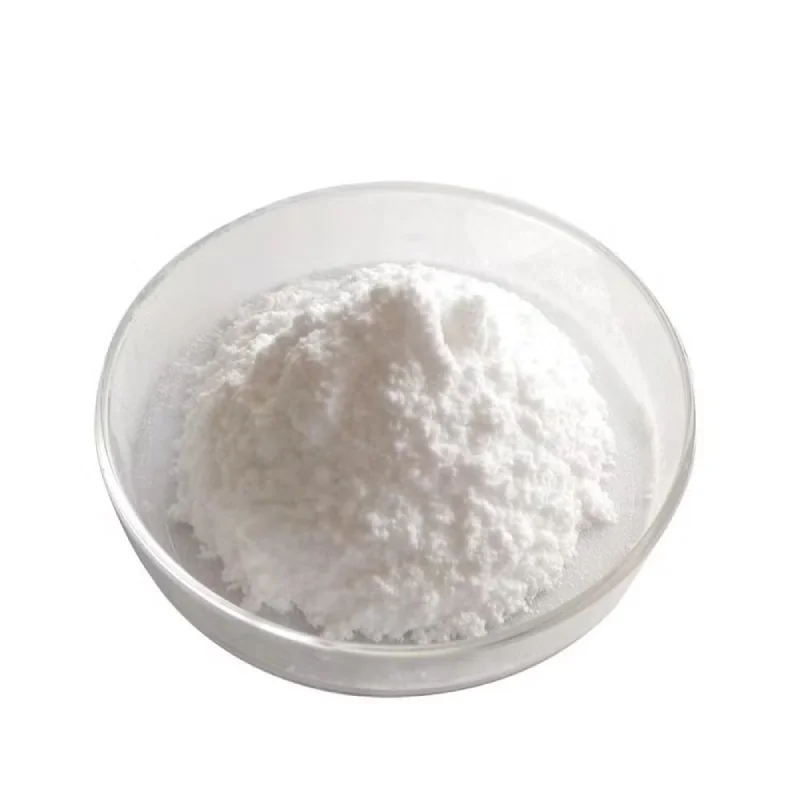
Industrial Barium Carbonate BaCO3 White Powder, 99.0% Purity and 325 Mesh, for Technical Enquiries
-
Particle-size designationMesh designationColorWhite
-
Physical formPowder
-
CAS No.513-77-9Purity99.0%
-
AppearanceWhite PowderApplicationCeramics, Glass, Ferrite, Electronic Industry, Ceramics, Glass, Ferrite, Electronic Industry, Enamel
-
ClassificationCarbonateEINECS No.208-167-3
-
Grade StandardIndustrial GradeMolecular FormulaBaCO3
-
Other NamesCarbonic Acid Barium SaltTypeBarium Carbonate
-
Product NameBarium CarbonateDensity4.43 g/cm³
-
Melting Point811°C (Decomposes)SolubilityInsoluble in Water
-
Particle Size325 MeshStorageCool, Dry and Well-Ventilated Place
-
Shelf Life24 MonthsPackaging25kg PP Woven Bag / 1000kg Jumbo Bag
-
SampleAvailable
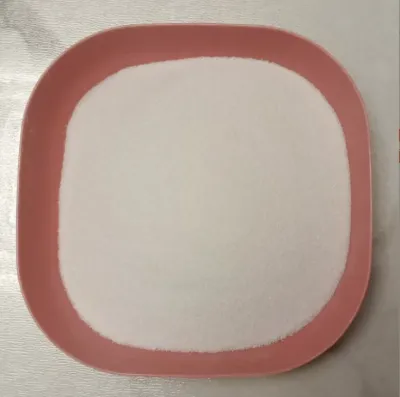
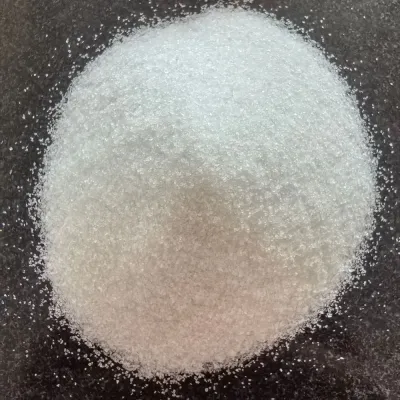
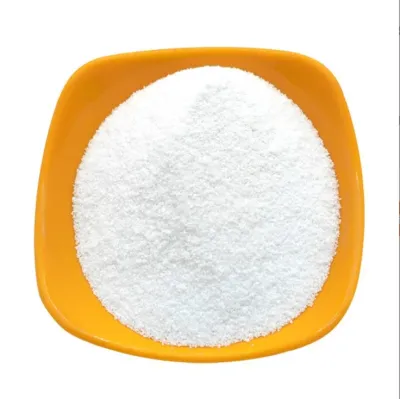
A useful barium carbonate enquiry connects the powder being assessed with its current technical documents. This industrial white BaCO3 powder has stated purity of 99.0%, a 325-mesh particle designation and density of 4.43 g/cm³. The sample and its reports should be reviewed together.
Build a document set for the actual carbonate sample
Request current composition analysis and identify any constituent limits required by the intended process. Confirm that the reports describe the material under evaluation. A chemical name and assay value do not establish every impurity limit or the suitability of a particular supply.
Make the sieve and density comparison reproducible
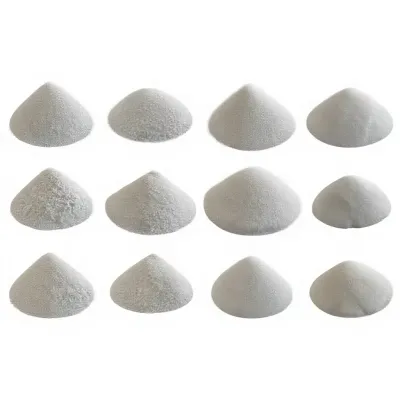
Ask for the sieve standard, passing criterion and measured result behind the 325-mesh designation. Obtain the density measurement basis as a separate part of the review. Use consistent methods when comparing candidate powders, rather than assuming that a mesh label defines the full size distribution.
Agree the process evidence and documentation scope
Ceramic, glass, ferrite, electronic-industry and enamel uses require their own acceptance tests. Request relevant thermal analysis for the actual process, without treating a general temperature entry as an operating instruction. Confirm packaging and export-document requirements for the specific enquiry before making supply decisions.
- What should acceptance follow?
- The actual process trial, current analysis and agreed finished-material criteria.
- What should remain associated with the powder?
- The sample identification, measurement reports and applicable technical documents.
Review the supplied storage instructions with the relevant documentation. Keep the qualification specific to barium carbonate and the industrial project being evaluated.