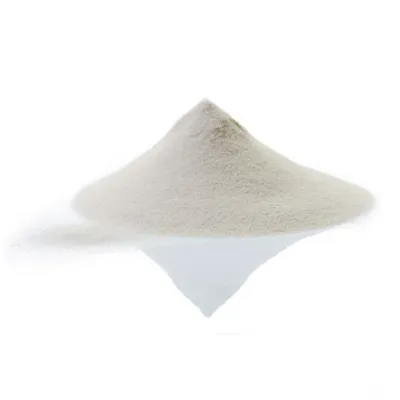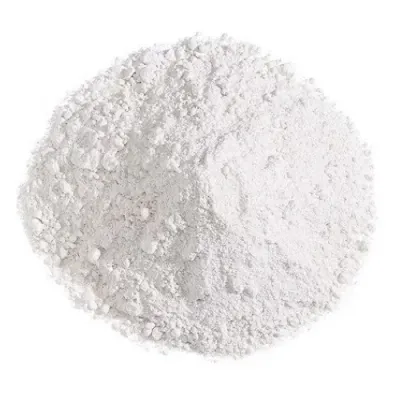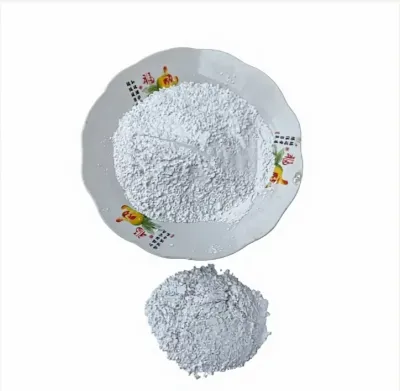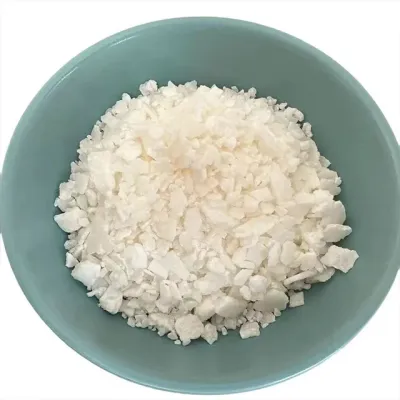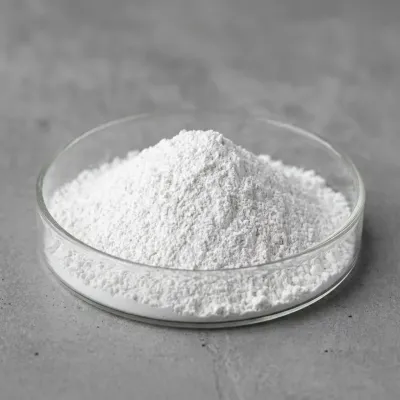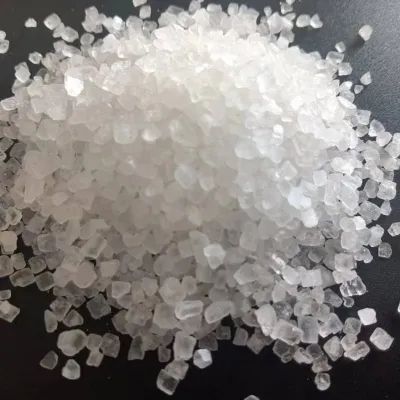
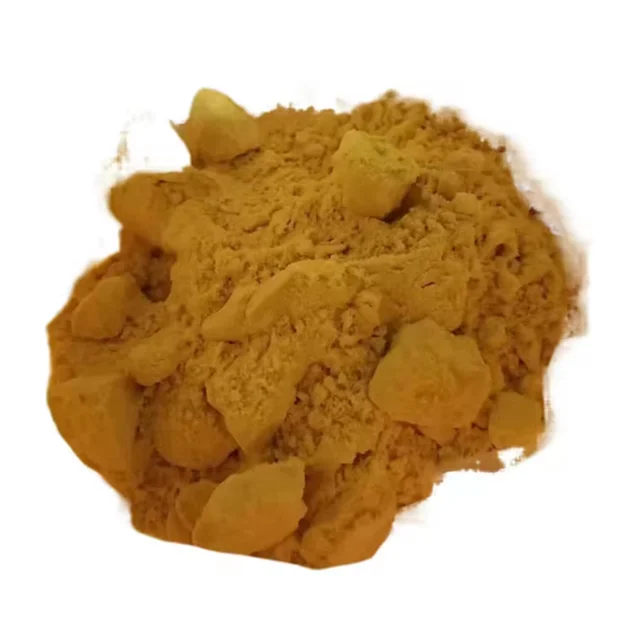


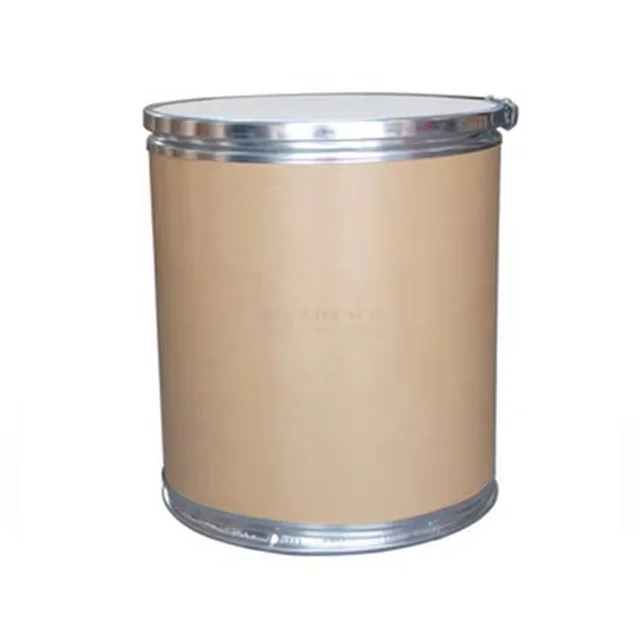
Industrial Ferric Chloride Hexahydrate Cl3FeH12O6 99% Crystals, CAS 10025-77-1, for Water-Treatment Material Trials
-
ColorYellowPhysical formCrystalline
-
CAS No.10025-77-1Purity99%
-
AppearanceBrown yellow crystalApplicationwater treatment agent
-
ClassificationChlorideEINECS No.600-047-2
-
Grade StandardIndustrial GradeMolecular FormulaCl3FeH12O6
-
Other NamesCl3FeH12O6TypeFerric Chloride
-
Product NameIron chloride hexahydrateGradeIndustrial Garde
-
CAS10025-77-1ColorBrown yellow crystal
-
MOQ25TonsUsageWater Tratement
-
Package25kg PP Woven Bags
A water-treatment material comparison should identify the actual chloride hydrate and the water duty it must satisfy. This industrial ferric chloride hexahydrate is stated as Cl3FeH12O6, also named iron chloride hexahydrate, and described as brown-yellow crystals with 99% purity.
Confirm analysis for the offered hexahydrate grade
Request current assay with its reporting basis and the individual impurity limits required by the project. The hydrate identity and purity figure are starting information, while accepted chemical and crystal measurements should be linked to the actual sample being considered.
Describe the actual water stream and acceptance observations
State the intended material duty and the measurements used to judge a relevant water trial. A water-treatment direction does not supply a dose, operating window or removal result, so qualification should concern the actual water and project criteria.
- Grade evidence
- Current hexahydrate analysis, required impurities and relevant crystal measurements with methods.
- Water evidence
- The actual stream, intended duty and qualified sample-trial observations against agreed acceptance criteria.
Keep industrial grade separate from a potable-use approval
Industrial identity and assay do not establish potable-water approval or performance across different waters. Any required scope and use qualification need current evidence for the actual offered grade and application.
Obtain current safety and technical information and appropriate sample records that identify the hexahydrate. Keep the material reports and actual water-trial evidence together so acceptance follows the project’s chemical and treatment requirements without an assumed producer identity or a general process-performance promise.