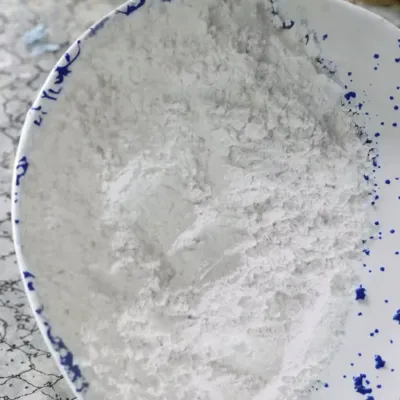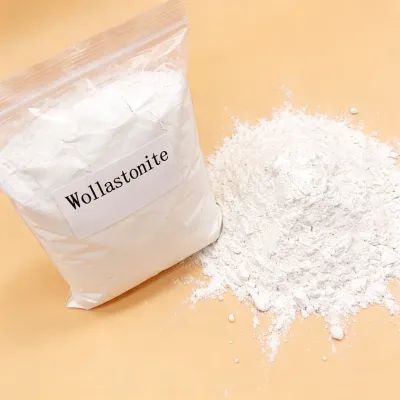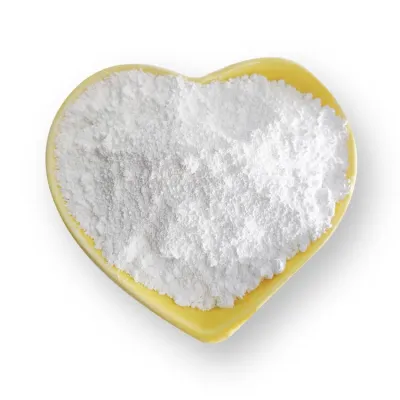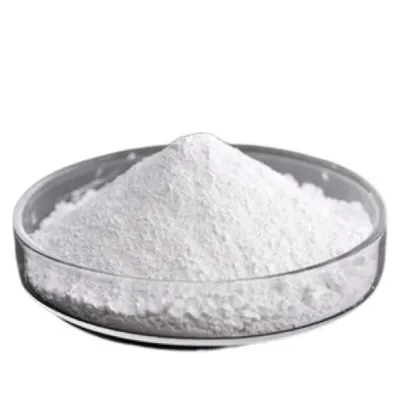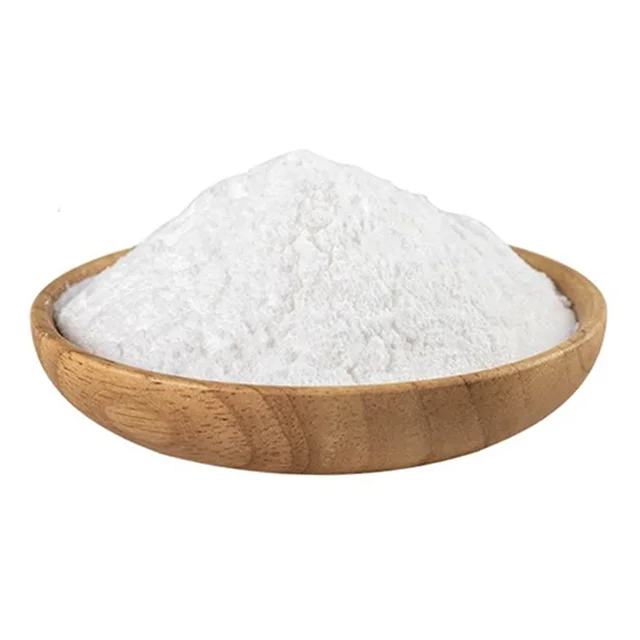
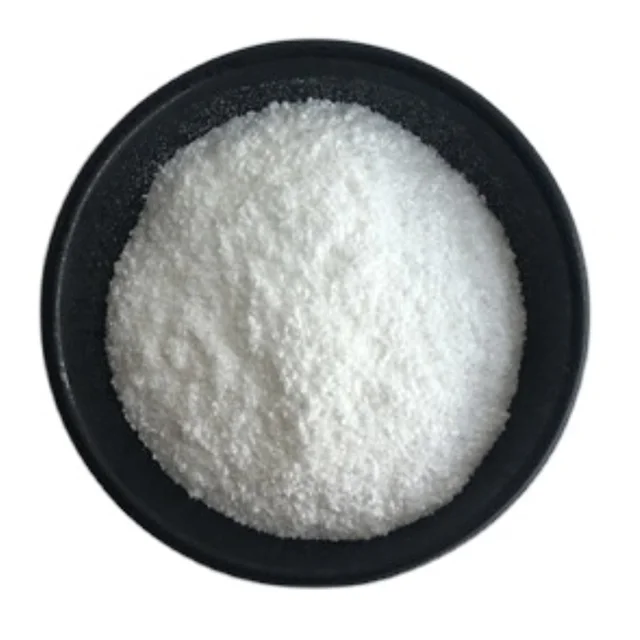
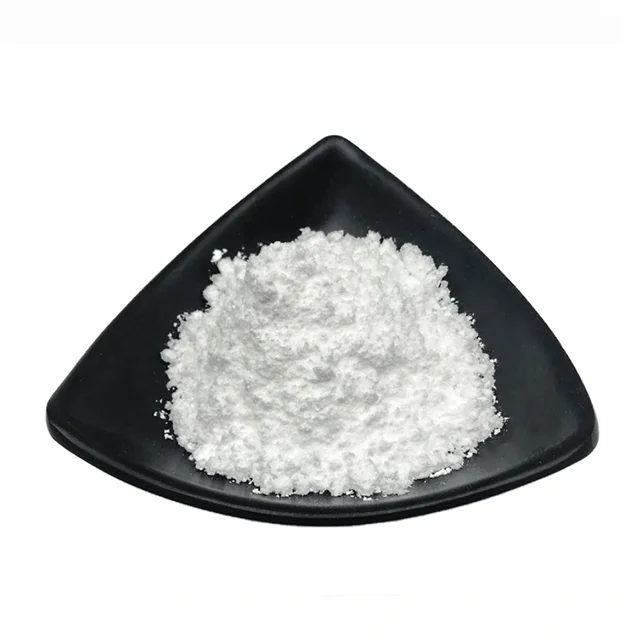
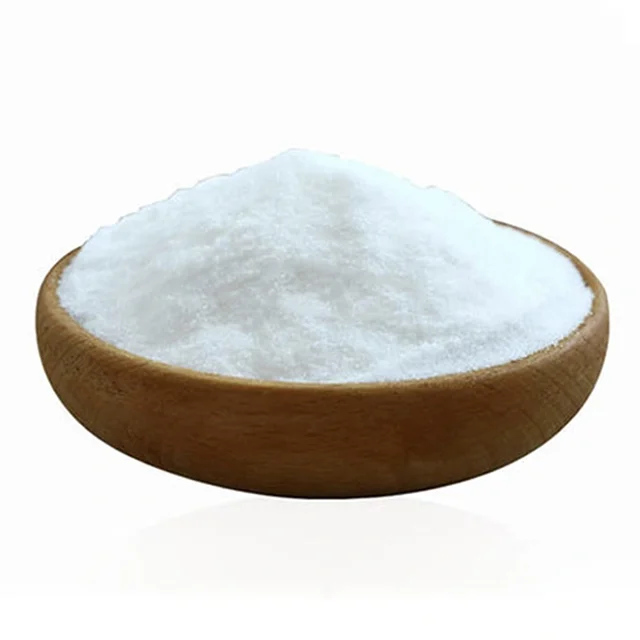
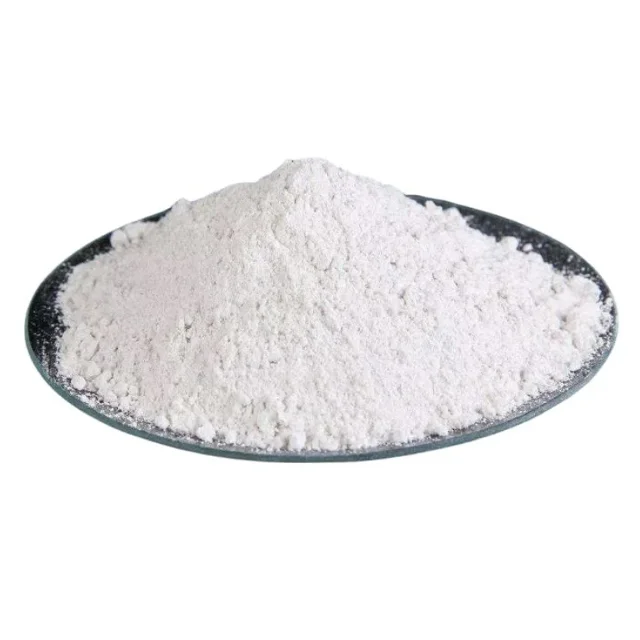
Industrial Magnesium Hydroxide H2MgO2 White Powder, CAS 1309-42-8, for Chemical-Grade Documentation Enquiries
-
ColorWhitePhysical formPowder
-
CAS No.1309-42-8Purity98.5
-
AppearanceWhite powderApplicationMagnesium salt, magnesium oxide,
-
ClassificationOther Inorganic SaltsEINECS No.215-170-3
-
Grade StandardAgriculture Grade, Industrial Grade, Reagent GradeMolecular FormulaH2MgO2
-
Other NamescarbonicacidProduct nameMagnesium Hydroxide
-
CAS1309-42-8Density2.36 g/cm³
-
Melting Point350°C (662°F)SolubilitySlightly soluble in water
-
GradeIndustral GradePackage25kg/bag
-
HS CODE28161000.90EINECS215-170-3
-
ColorWhite Color
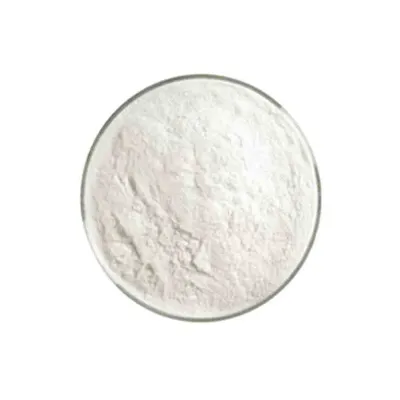
A magnesium-hydroxide grade enquiry should identify the actual material and the numerical analysis required for acceptance. This industrial magnesium hydroxide is stated as H2MgO2, described as white powder, slightly soluble in water, with density of 2.36g/cm³.
Request an assay with explicit units and basis
Ask for current numerical analysis identifying the actual offered grade. A unitless assay entry does not establish a purity percentage, so the reporting basis and individual impurity limits need confirmation before the material is compared with a chemical specification.
Define the powder measurements for the intended duty
List relevant particle and other physical requirements and request the actual methods and sample references. White-powder appearance and slight water solubility do not supply a particle distribution or demonstrate acceptance in a particular process.
- Supported material directions
- Magnesium-salt and magnesium-oxide enquiries, each requiring its own actual process brief and qualification.
- Regulated-grade boundary
- Industrial material data do not establish antacid or pharmaceutical-grade approval; that requirement needs separate current evidence.
Keep the grade decision tied to actual qualification
Assess relevant sample evidence against the project’s accepted chemical, powder and process criteria. The stated density is a material descriptor rather than bulk density or a processing instruction, and an unverified thermal label should not define operating conditions.
Request current safety and technical information with the actual grade and missing analytical questions clearly identified. Use the current reports and relevant process trial to decide whether the offered hydroxide meets the material requirement, without an assumed producer identity or regulated-use qualification.