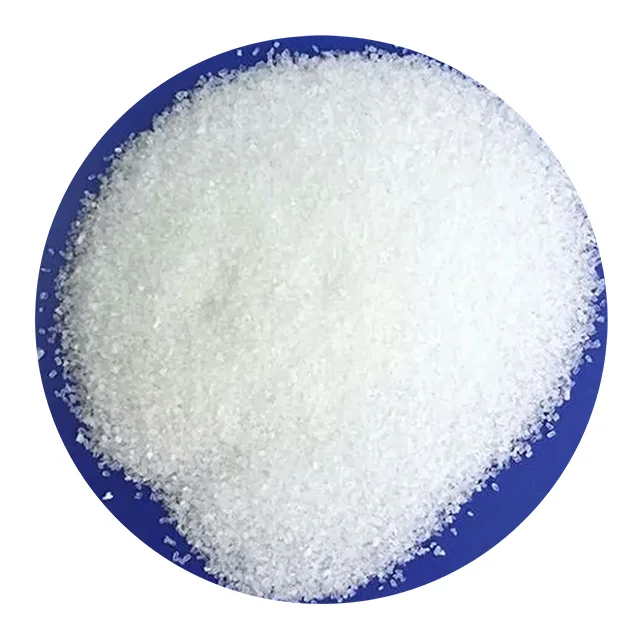
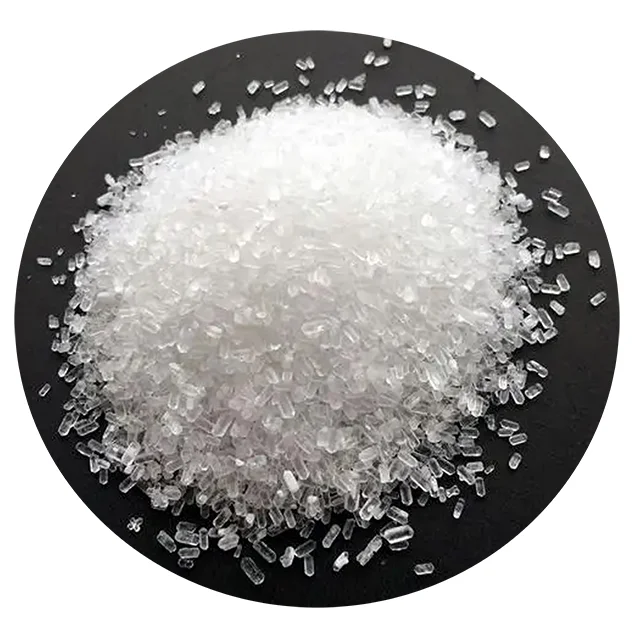
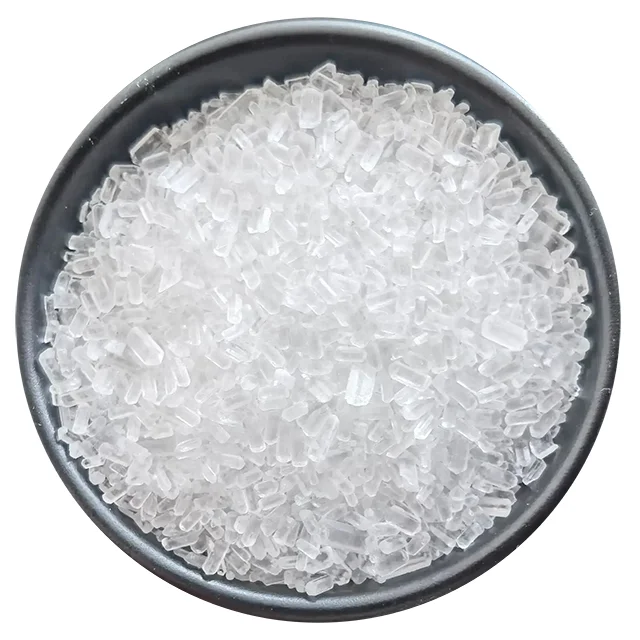
Industrial Magnesium Sulfate Heptahydrate Crystals 99.5% Min, Mg.O4S.7H2O, CAS 10034-99-8, for Material Trials
-
ColorWhitePhysical formCrystalline
-
CAS No.10034-99-8Purity99.5%MIN
-
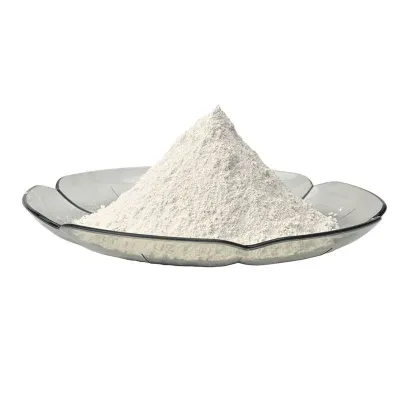
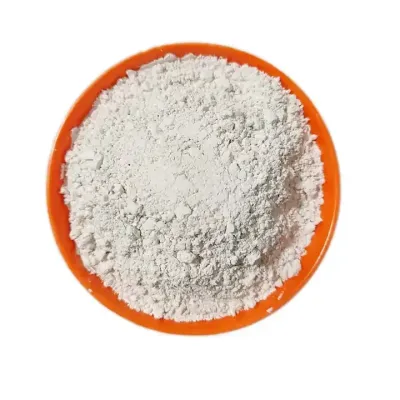
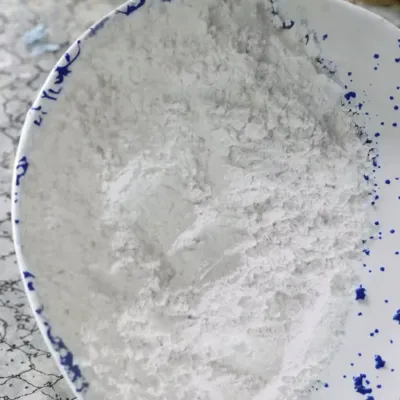
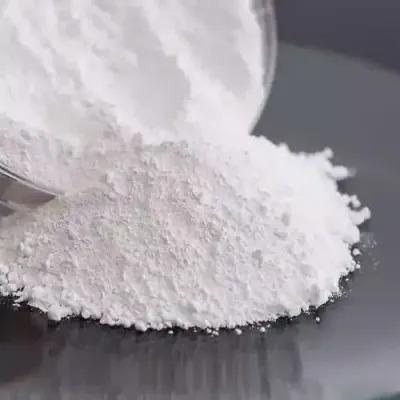
AppearanceWhite oblique columnar crystalsApplicationstraw-making,porcelain
-
ClassificationSulphateEINECS No.600-073-4
-
Grade StandardIndustrial GradeMolecular FormulaMg.O4S.7H2O
-
Other NamesMAGNESIUM SULFATE 7HYD XTLTypeMagnesium sulfate heptahydrate
-
CAS10034-99-8Melting point1124°C
-
density2.66vapor density<0.01 (vs air)
-
vapor pressure<0.1 mm Hg ( 20 °C)
A magnesium-sulfate material comparison should identify the offered hydrate and the actual process requirement. This industrial magnesium sulfate heptahydrate is stated as Mg.O4S.7H2O, described as white oblique columnar crystals with 99.5% minimum purity.
Confirm analysis for the actual heptahydrate grade
Request current assay, moisture and the individual impurities required by the project. The hydrate designation and minimum purity provide starting information, while acceptance needs actual-grade reports linked to the material and the buyer’s chemical limits.
Match crystal and physical reports to the offered material
Ask for the crystal measurements and physical data relevant to the actual use, with the material form and methods identified. A general thermal descriptor or unitless density should not be used to assign a processing condition or transfer another form’s properties to the offered hydrate.
- Grade questions
- Actual hydrate, current analysis and required impurity and crystal measurements.
- Process questions
- The intended material duty and relevant qualification results against accepted criteria.
Define the porcelain or straw-making application precisely
Porcelain and straw-making are listed material directions, each requiring its own process brief and relevant sample trial. Clarify what the straw-making process involves rather than assuming a food-contact use or an approval from the label alone.
Request current safety and technical information and appropriate sample records for the actual hydrate grade. Keep the analytical and crystal evidence with the intended process criteria so the selection follows a documented material trial, without an unsupported performance promise or inferred thermal operating instruction.