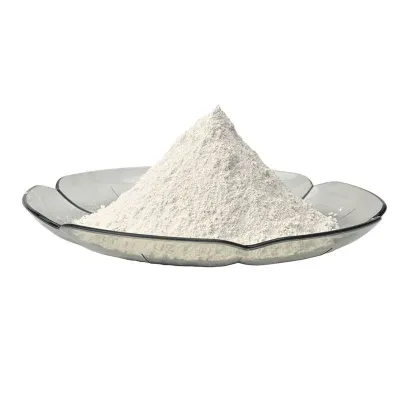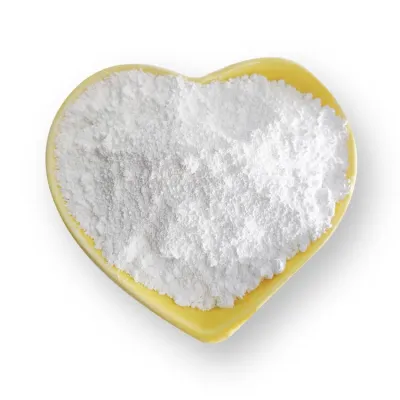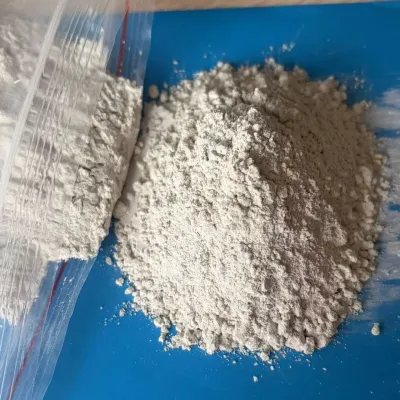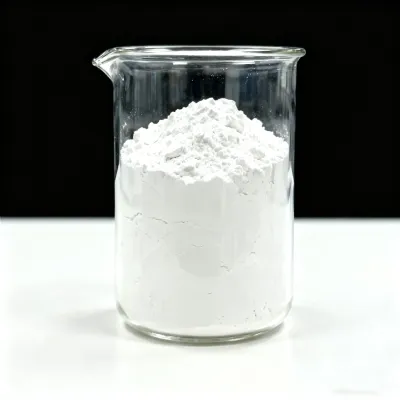
Calcium Hydroxide 96% Industrial White Powder for Grease Raw Material Evaluation
-
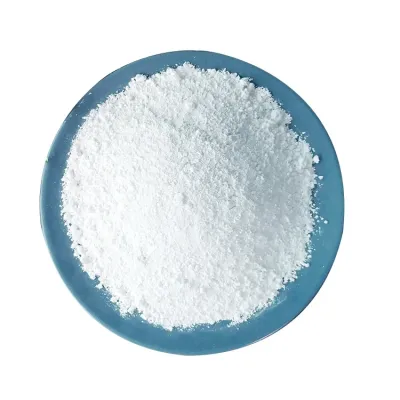
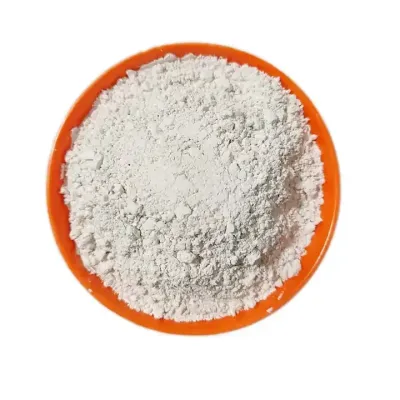
ColorWhitePhysical formPowder
-
CAS No.1305-62-0Purity96%
-
Appearancewhite powderApplicationManufacturing Bleaching Powder
-
ClassificationCalcium HydroxideEINECS No.215-137-3
-
Grade StandardIndustrial GradeMolecular FormulaCa(OH)2
-
Other Namesslaked lime
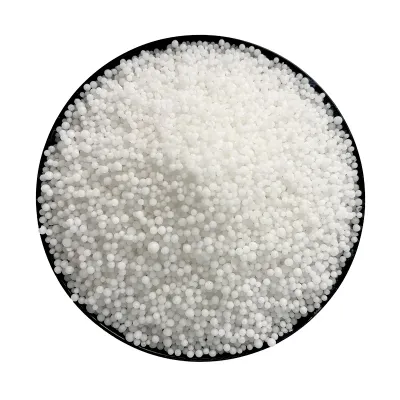
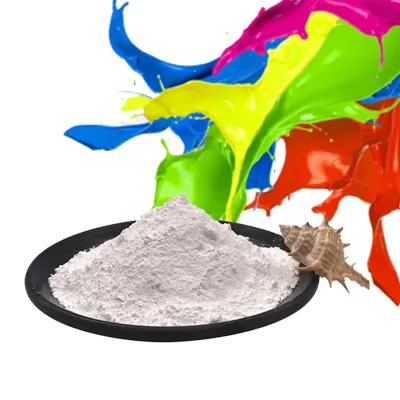
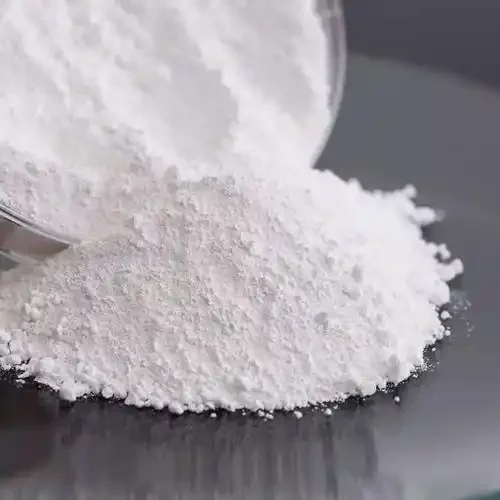
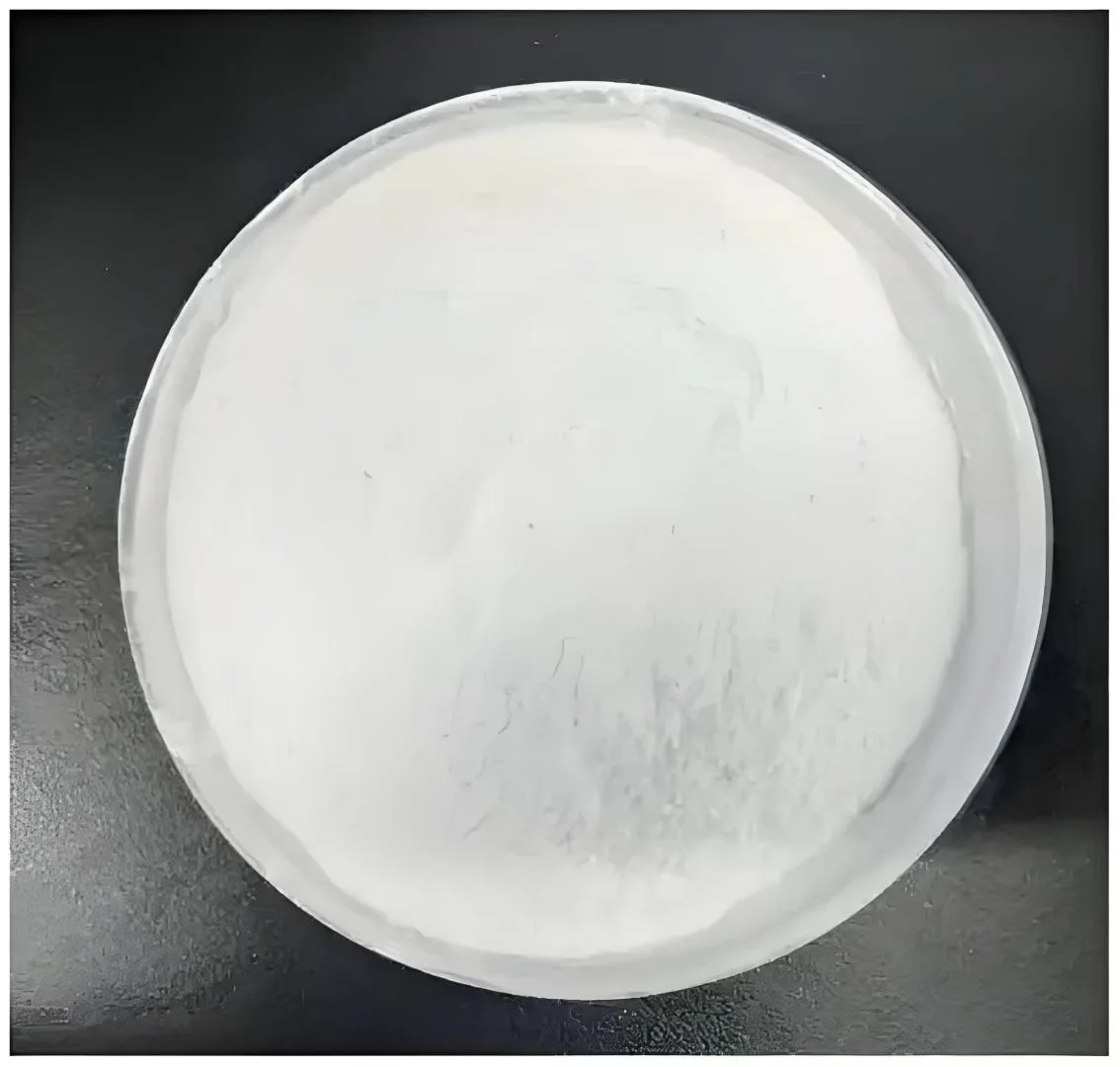
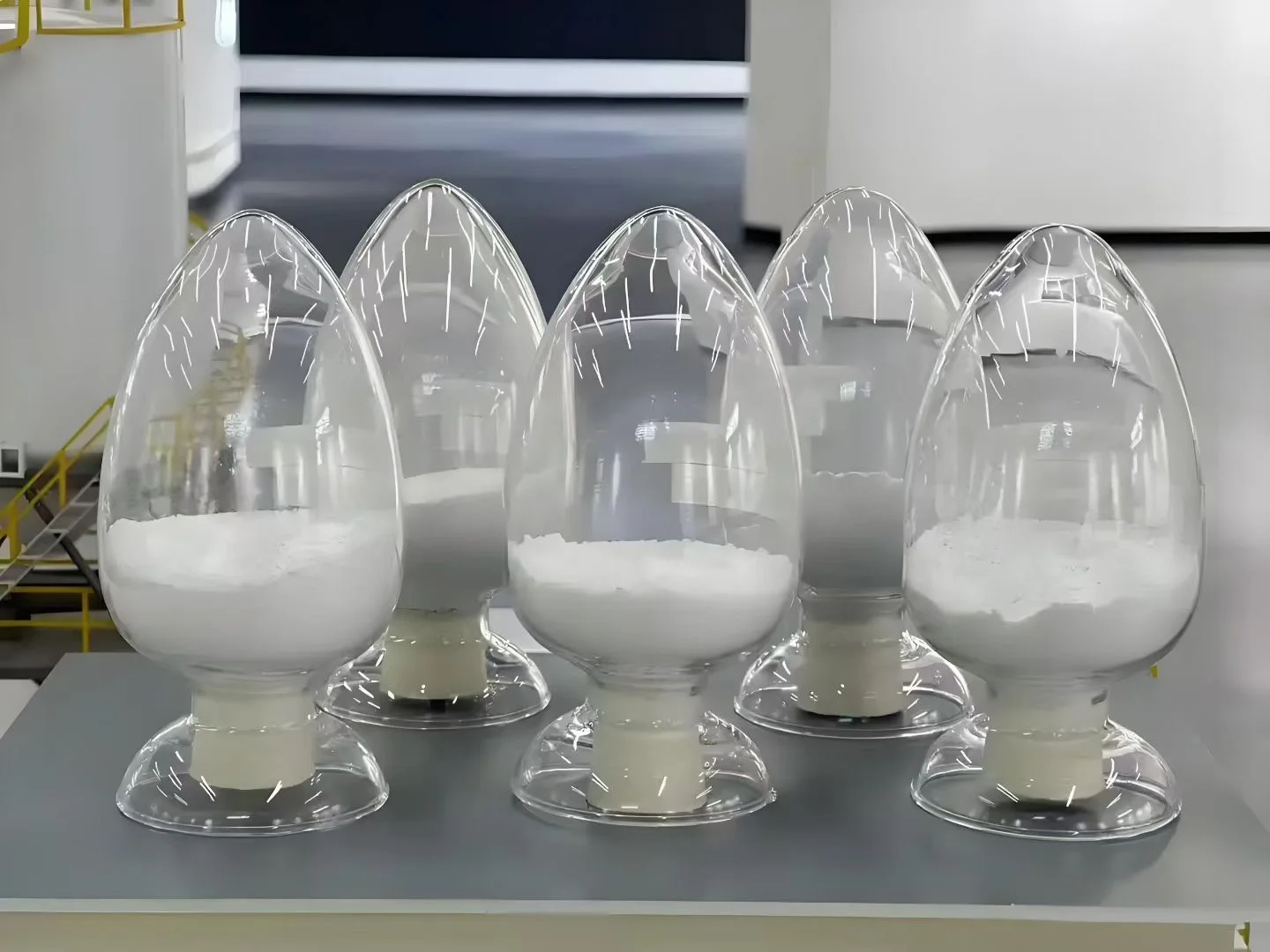
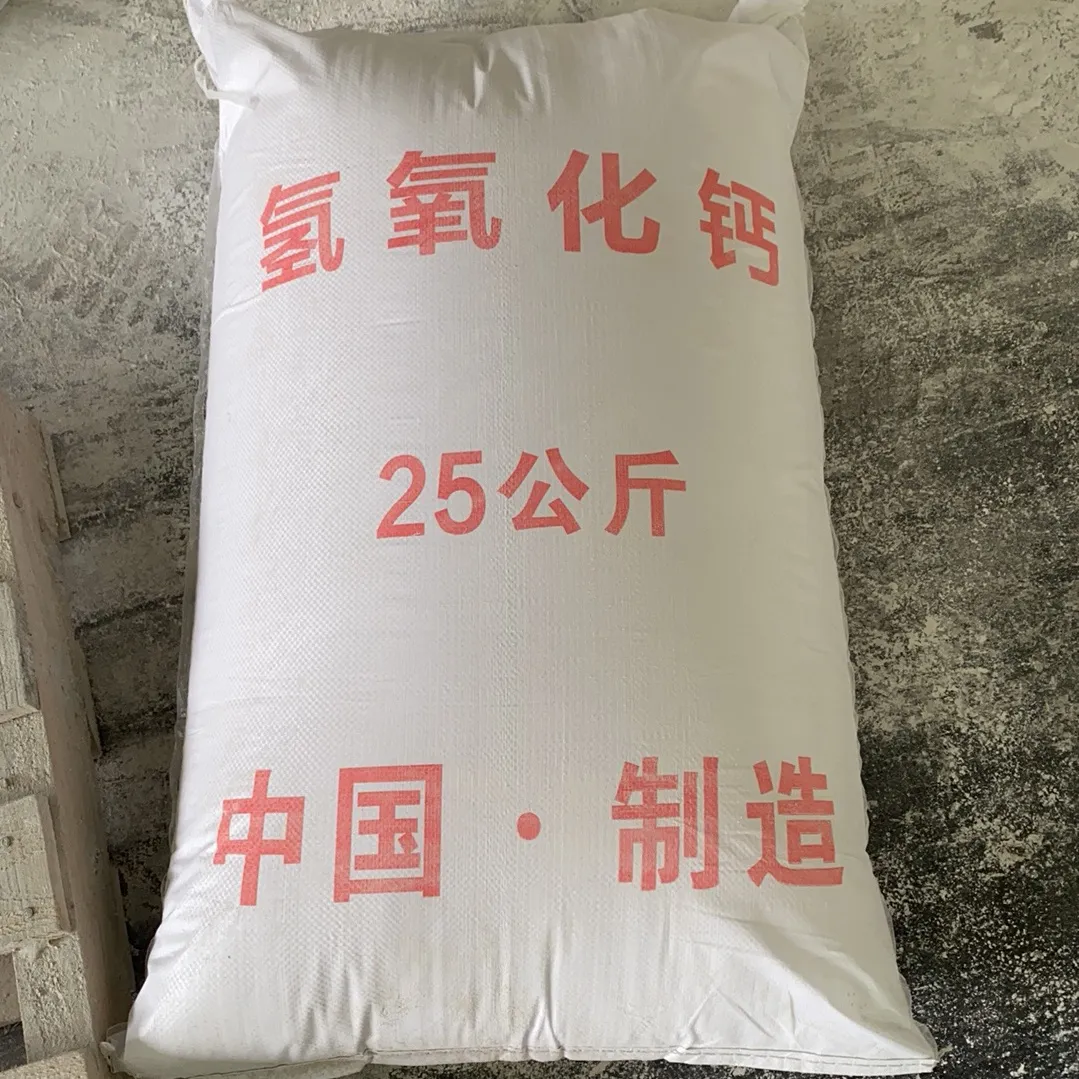
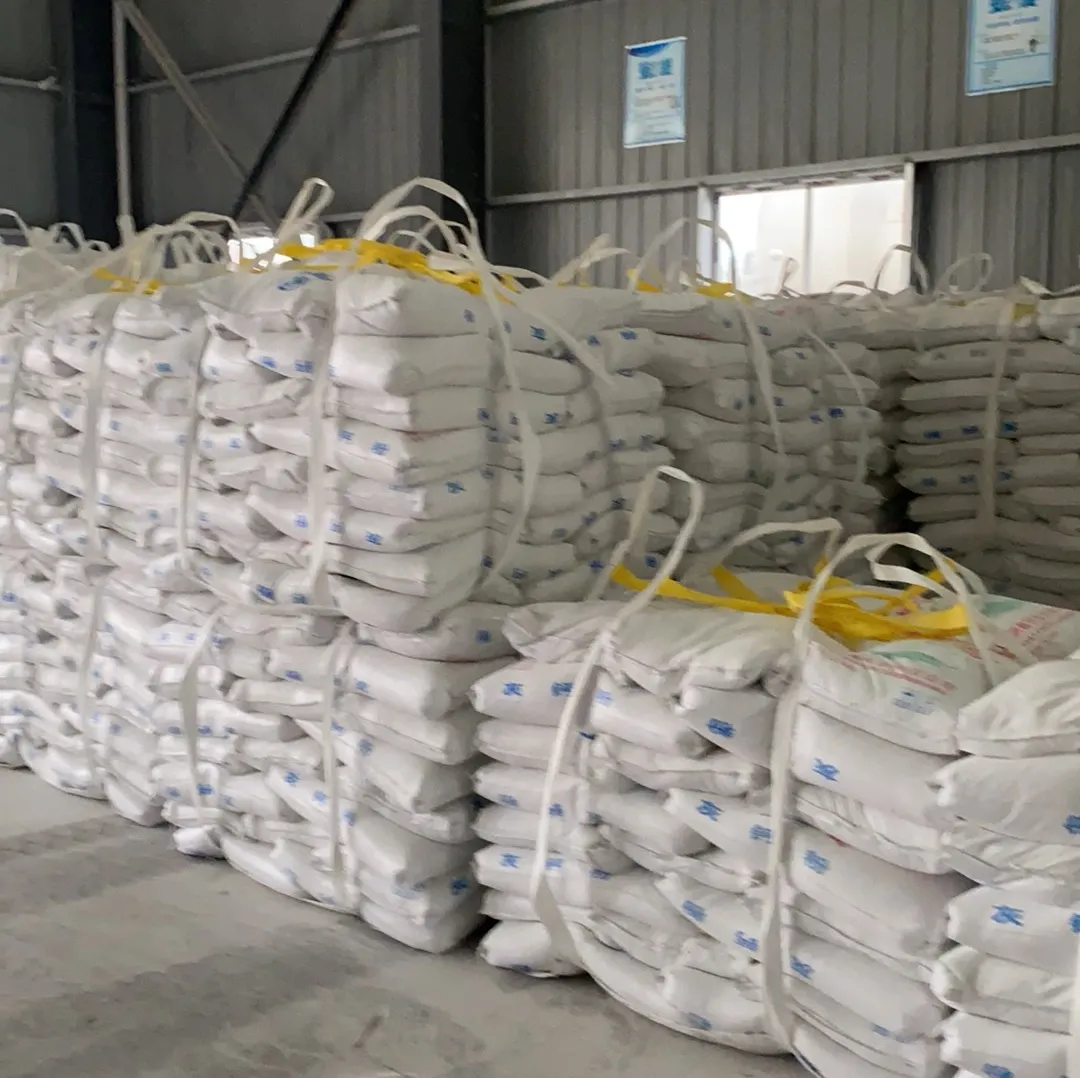
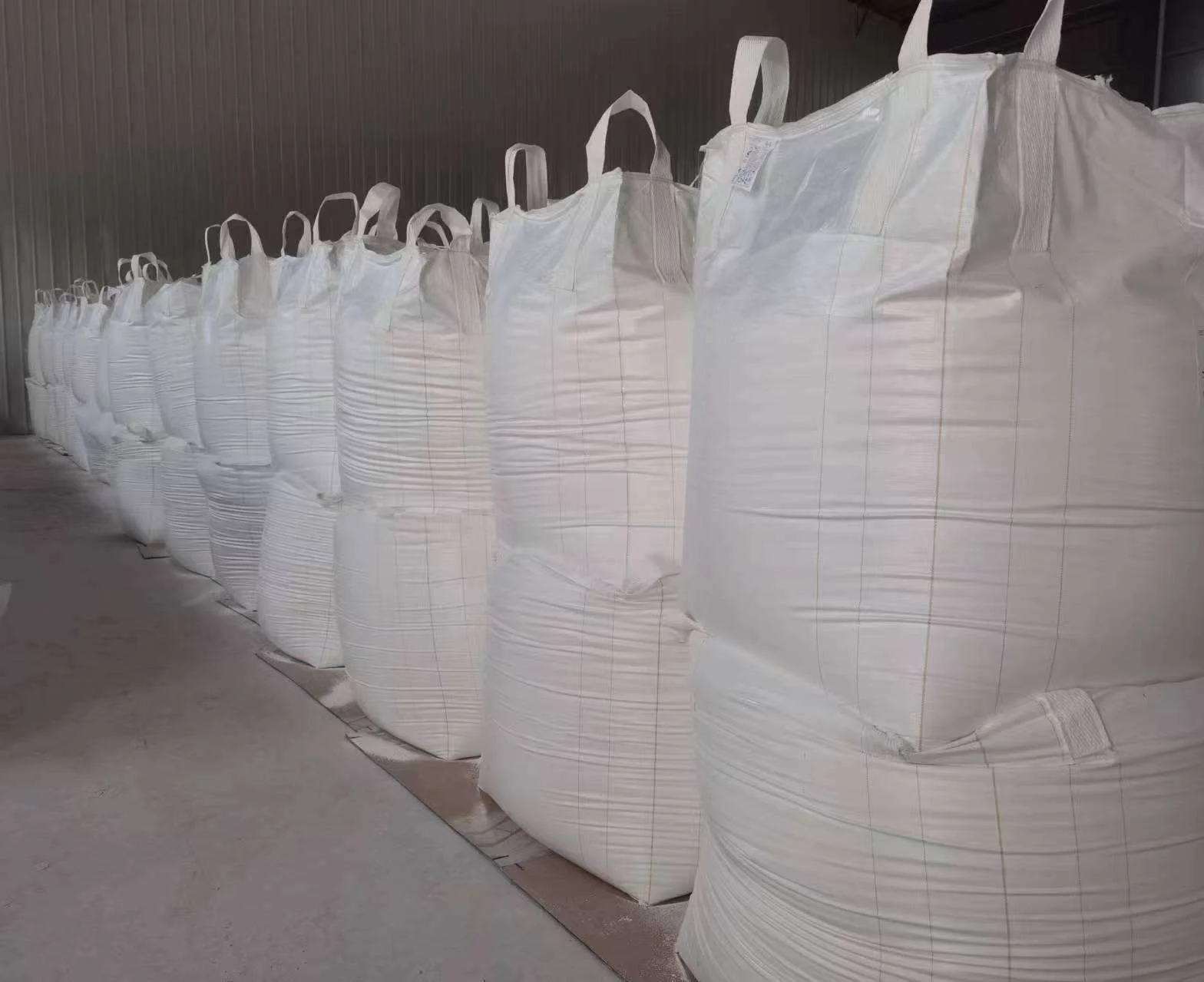
A grease-development enquiry should distinguish a raw chemical from a finished lubricant. The material here is industrial calcium hydroxide white powder with a stated 96% purity, identified as Ca(OH)2 and also named slaked lime. It is a candidate for raw-material qualification, with the application decision still to be made.
Begin a grease enquiry with the raw-material requirement
Describe what the development project needs from the calcium hydroxide sample. A powder identity does not supply a base-oil system, a grease consistency or a finished-lubricant performance result. Request a complete application statement before treating the grade as accepted for a particular formulation.
Ask which tests support the 96% calcium hydroxide grade
The assay is one selection dimension, while particle properties, impurity limits and any activity measurement are separate questions. Ask for the batch result and test basis that apply to the sample. A broad activity description should be supported by an identified measurement rather than assumed from purity.
Keep sample identity and end-use assessment together
Use calcium hydroxide, Ca(OH)2, CAS 1305-62-0 and the industrial white-powder form in the technical request. Attach the intended raw-material acceptance criteria to the same enquiry. This keeps a chemical comparison distinct from a claim about a completed grease formulation.
Bleaching-powder manufacturing is another intended application for raw calcium hydroxide. That enquiry requires its own qualification and should not be taken as evidence for a grease project. In either case, request the relevant material documents and controlled evaluation results before agreeing that the sample meets the intended process requirements.