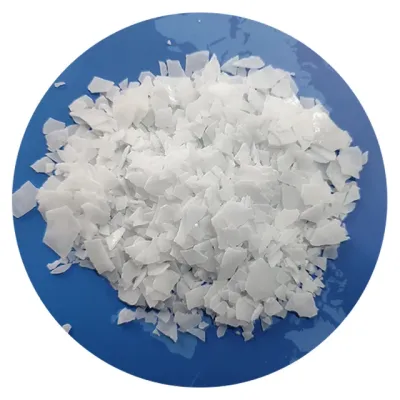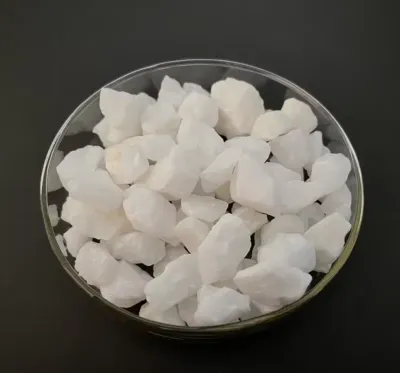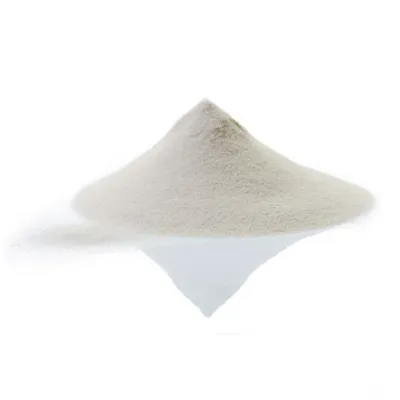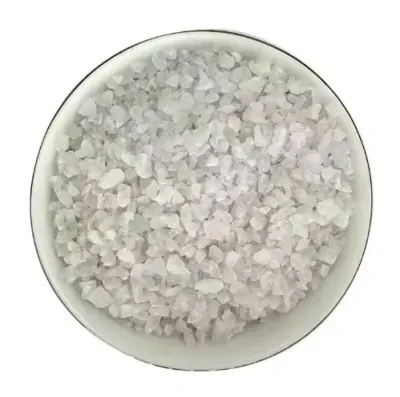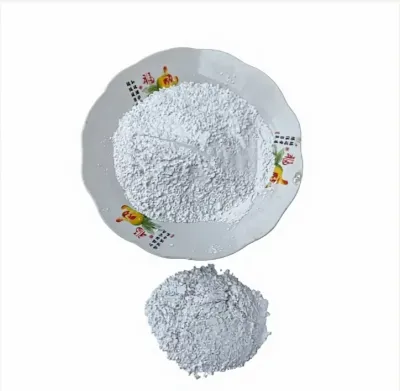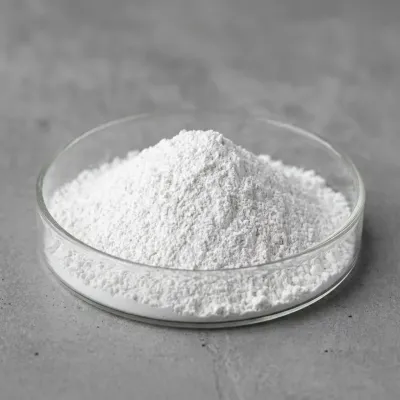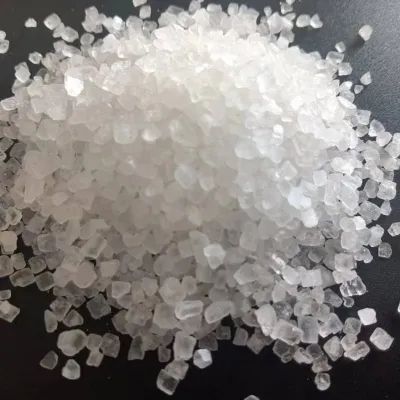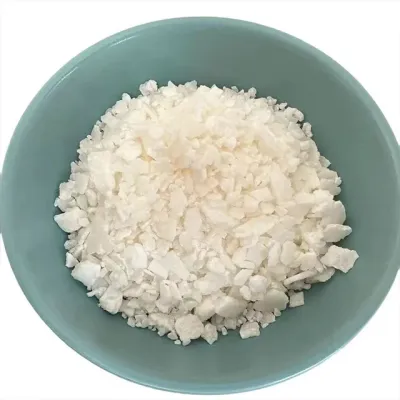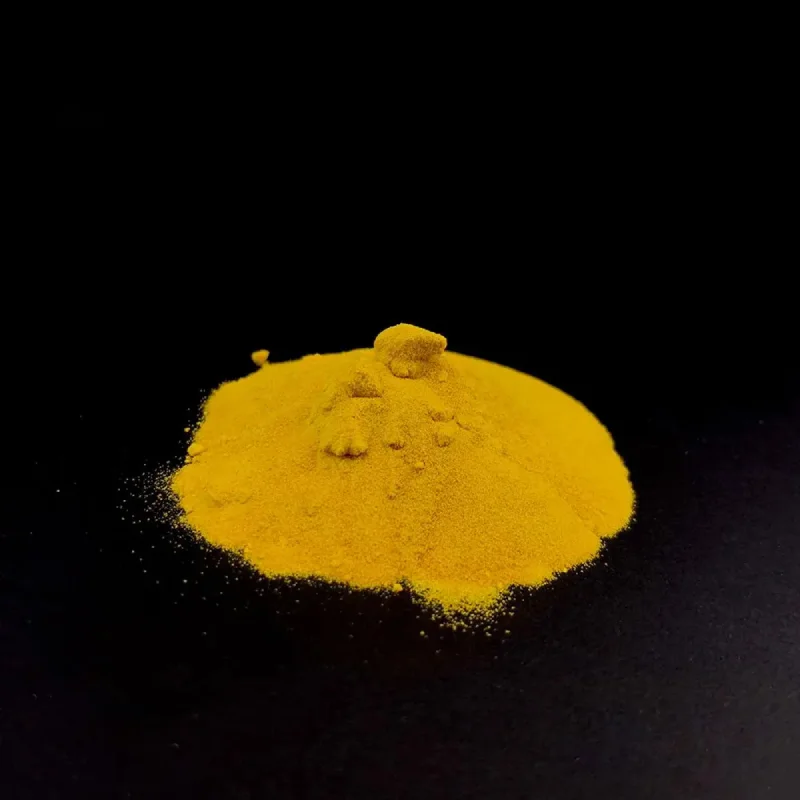
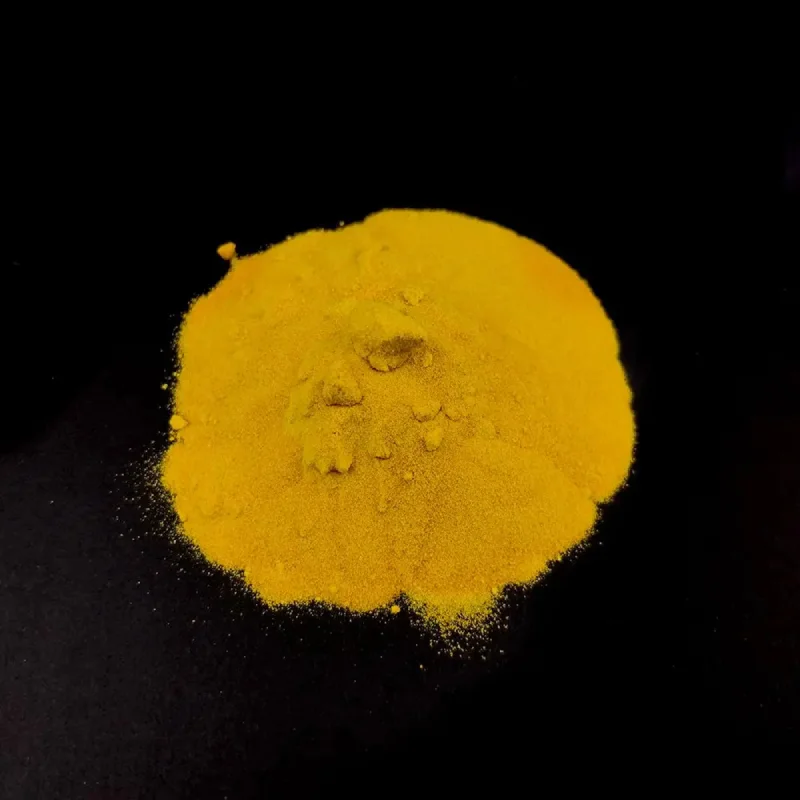
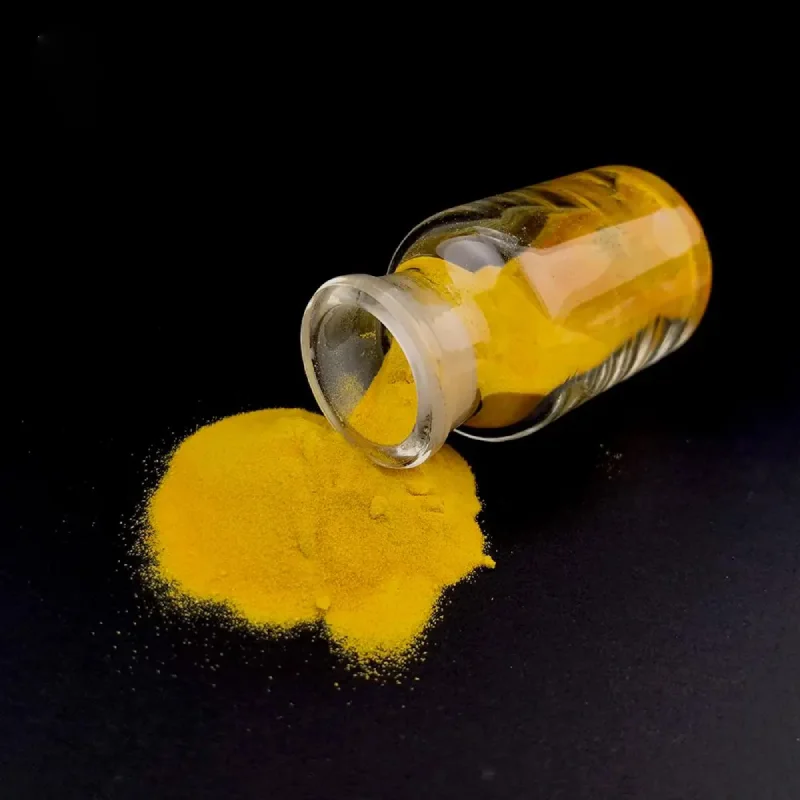
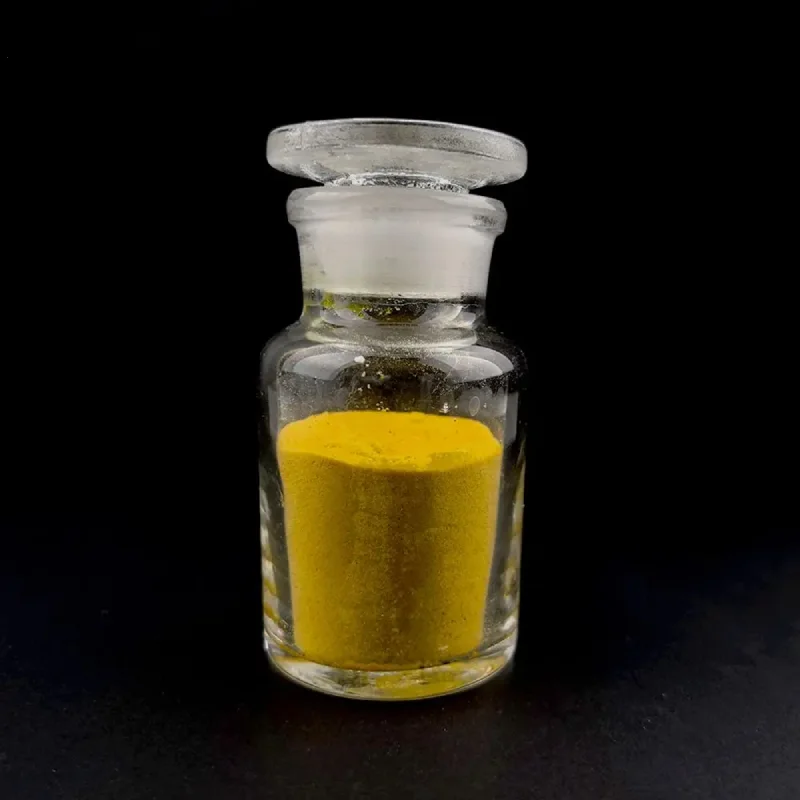
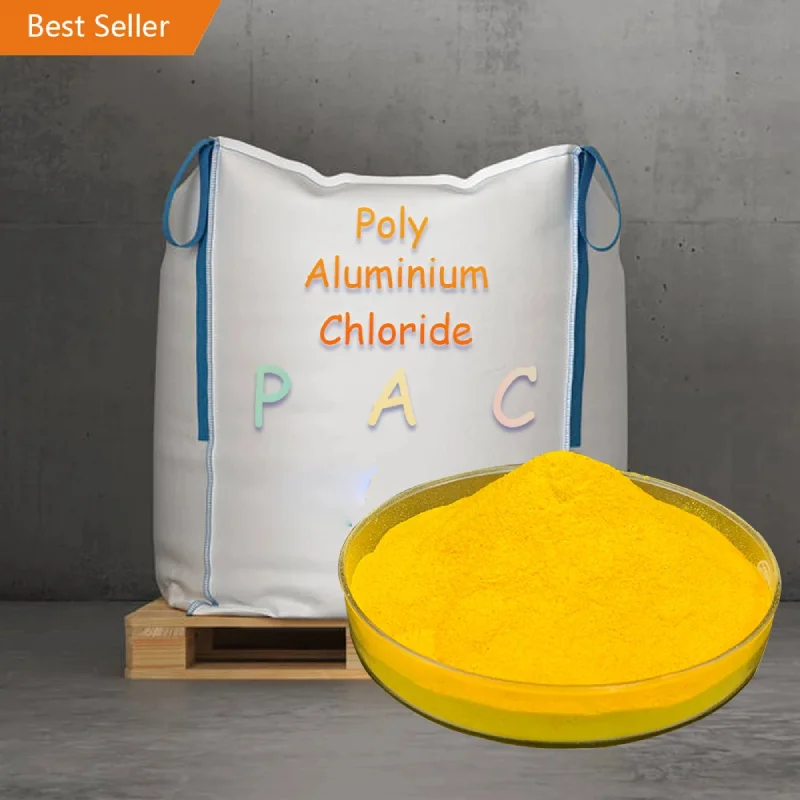
Industrial PAC Polyaluminium Chloride Powder for Sewage Treatment and Water Clarification Trials
-
ColorYellowPhysical formPowder
-
CAS No.1327-41-9Purity28%-30%
-
pH Value3.5-5.0Adsorbent VarietyOther
-
EINECS No.215-477-2Molecular Formula[Al2(OH)nCl6-n]m
-
StatePowderWater Treatment ScenarioWastewater Treatment
-
Product TypeFlocculant / CoagulantDosage5-30 mg/L
-
Effective Concentration (%)28%-30%Ionic TypeCATIONIC
-
Product NamePolyaluminium Chloride (PAC)TypeWater Treatment Chemical
-
AppearanceYellow Powder, Light Yellow PowderActive Ingredient ContentAl2O3 28% / 30%
-
Grade StandardIndustrial Grade Drinking Water GradeBasicityAl2O3 ≥28% / ≥30%
-
ApplicationWater Treatment,Wastewater Treatment,Drinking Water PurificationPacking25kg Bag / 1000kg Jumbo Bag
-
SampleAvailableStorageStore in Cool, Dry and Well-Ventilated Place
Industrial sewage-treatment and clarification projects can assess this polyaluminium chloride, or PAC, as a yellow to light-yellow cationic powder. Its coagulant/flocculant description identifies a treatment role, while the actual grade and performance need to be established for the water stream being evaluated.
Identify the offered PAC composition before comparison
Confirm whether the proposed material is the 28% or 30% Al2O3 grade and obtain current analysis with relevant impurity limits. The concentration descriptions should be matched to the actual product, and an Al2O3 value appearing under a basicity label should not be used as a measured basicity result.
Separate the powder pH from sewage operating conditions
The reported pH range is 3.5–5.0, with solution concentration and test method to confirm. This product descriptor does not define the influent's operating pH or demonstrate clarification performance across different water conditions.
- Describe the actual sewage stream, treatment arrangement and acceptance targets.
- Agree the relevant jar-test conditions, analytical endpoints and comparison basis.
- Confirm the dose basis and plant-specific trial plan before applying any dosing figure.
Qualify clarification results in the actual treatment system
Use representative water tests to assess the proposed PAC against the required clarification and downstream process criteria. A cationic classification or chemical name does not establish a universal removal result, settling rate or accepted dose.
Request current product-specific technical and safety documents, including the stated cool, dry and well-ventilated storage direction. Any drinking-water application needs its own applicable grade and approval evidence; select the industrial sewage-treatment material through confirmed composition and actual water-specific results.