Industrial Strontium Carbonate CO3Sr 99%, CAS 1633-05-2, for Material Grade Assessment
-
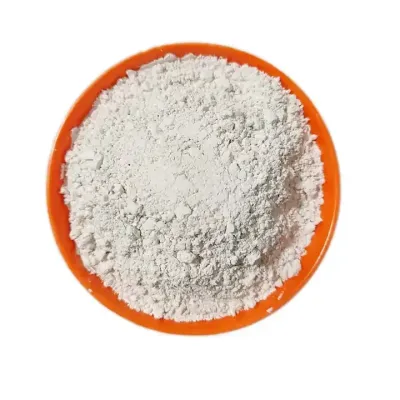
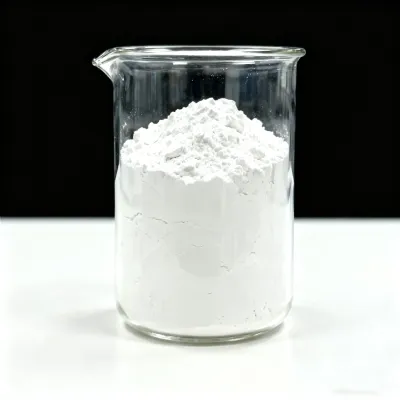
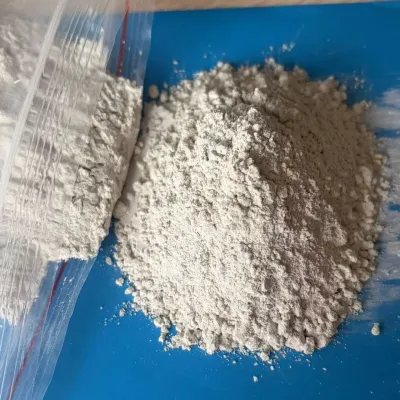
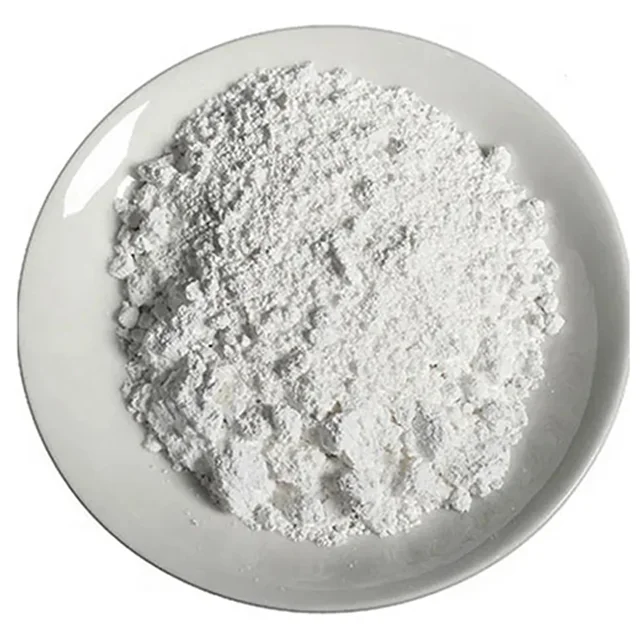
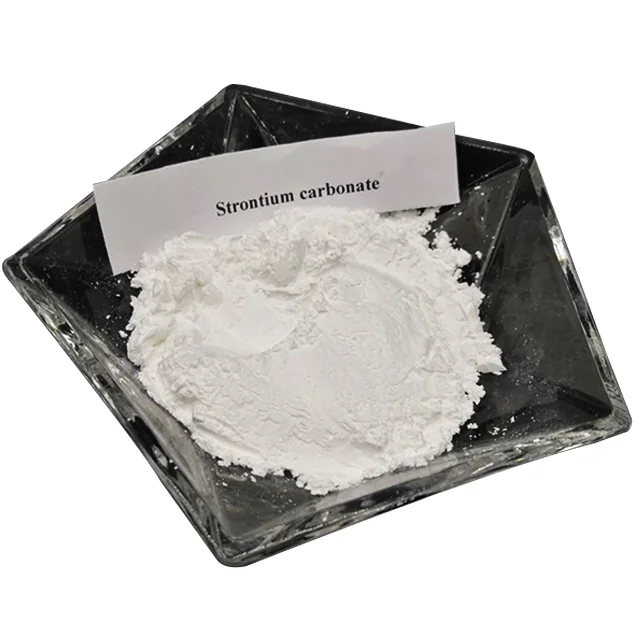
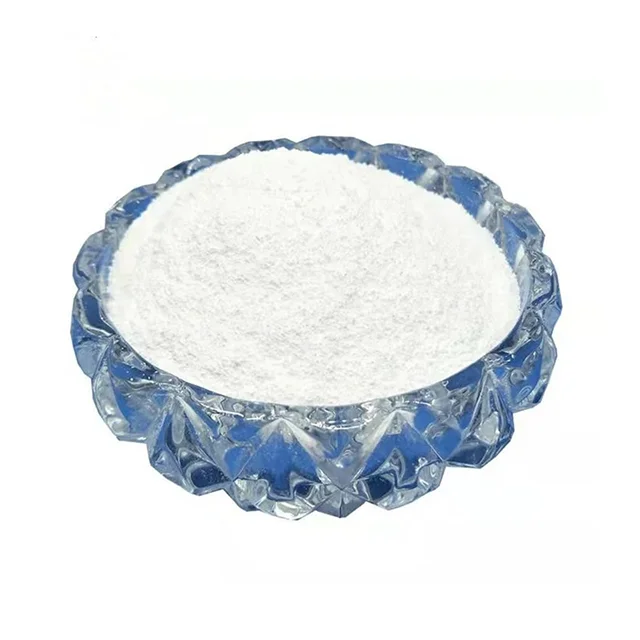
ColorWhite
-
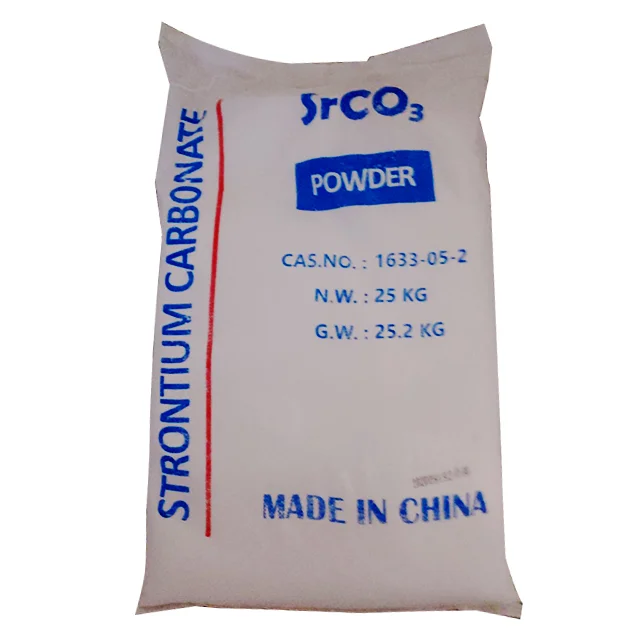
CAS No.1633-05-2Purity99%
-
ClassificationCarbonateGrade StandardIndustrial Grade
-
TypecarbonateProduct nameStrontium carbonate
-
ApplicationIndustryGradeIndustral Grade
-
CAS1633-05-2Packing25kg/bag
-
Boil point1494 °CMFCO3Sr
-
ColorWhite ColorDensity3.7 g/mL at 25 °C
-
HS CODE2836920000
Strontium carbonate grade assessment should begin with the actual industrial duty and its material acceptance requirements. This industrial material is designated CO3Sr, with stated purity 99% and white colour, providing a starting identity for a more specific enquiry.
Make the assay useful through individual impurity requirements
Ask for current analysis identifying the offered grade and the method behind the purity figure. Specify the individual impurities important to the project, because a single assay value does not describe every constituent or establish a particular sector qualification.
Establish supplied form before judging physical behaviour
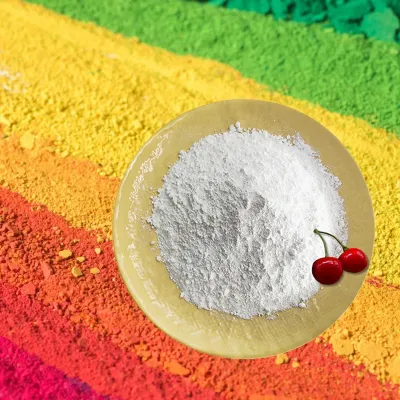
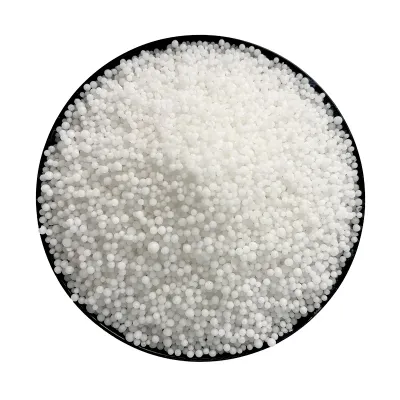
Confirm whether the offered material has the form required by the intended process. White colour does not establish powder morphology or a particle distribution, so obtain the physical measurements relevant to the project with their methods and sample identity.
- Chemical acceptance
- Current assay and project-relevant individual impurity analysis.
- Physical acceptance
- Confirmed supplied form and the measurements needed for the actual industrial duty.
Use the stated density without assuming bulk behaviour
The listed density is 3.7 g/mL at 25 °C. This material descriptor does not establish bulk density or handling behaviour for the supplied form; those questions require the corresponding measurements.
Describe the intended application when requesting an appropriate sample assessment and current safety documentation. Keep the actual grade, analytical results and relevant process-test observations together, so selection follows the project’s requirements rather than an assumed application or performance advantage inferred from the carbonate name.