-
Particle-size designationD50 specifiedColorWhite
-
Physical formPowder
-
CAS No.7727-43-7Purity98%min
-
AppearanceWhite PowderApplicationCoating,Paint
-
ClassificationSulphateEINECS No.231-784-4
-
Grade StandardAgriculture Grade, Electron Grade, Industrial GradeMolecular FormulaBASO4
-
Other Namesblanc fixeTypeBarium Sulfate
-
ColorWhiteParticle sizeD50 0.11 micron
-
Whiteness98.67%Hs code2833270000
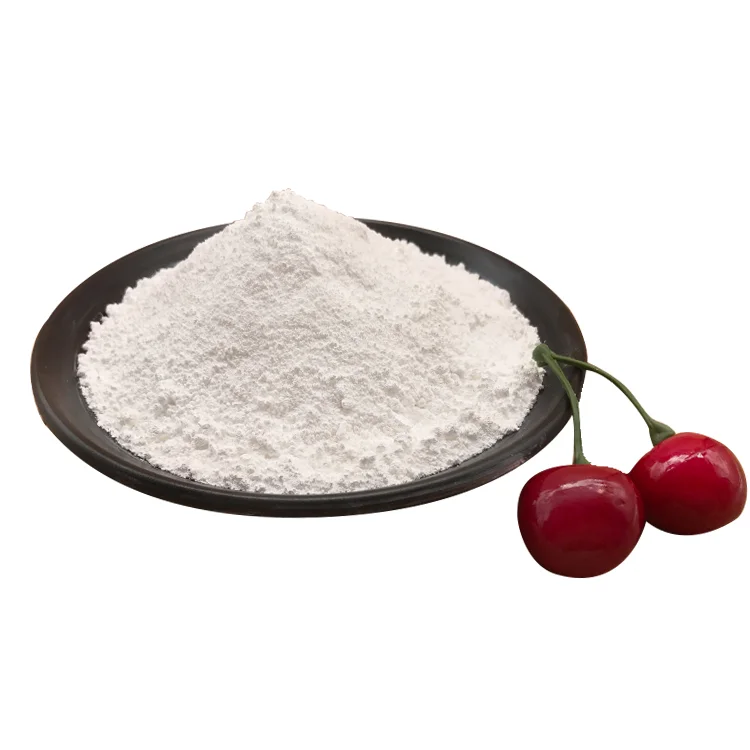
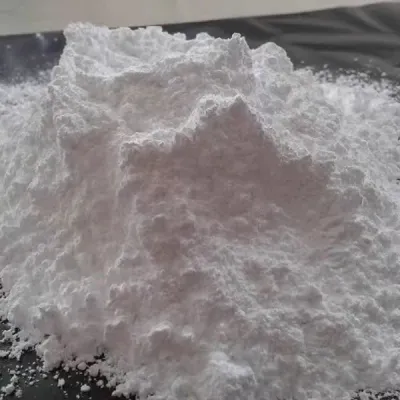
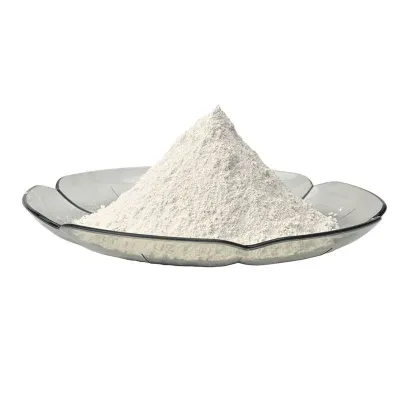
Fine-particle coating enquiries should retain the exact measurement rather than rely on a broad size category. This white precipitated barium sulfate, also named blanc fixe, has stated D50 of 0.11 μm, minimum purity of 98% and whiteness of 98.67%. Coating and paint are its named applications.
Examine the distribution around D50 0.11 μm
Request the complete particle report and identify the measurement method and sample preparation. A median value does not describe the entire distribution or establish a nanoscale classification by itself. Define the particle criteria needed by the actual coating project before accepting the sample.
Compare the whiteness on a defined reference
Ask which method and reference support the stated 98.67% powder whiteness. Review that result separately from the minimum-purity assay. Neither measurement independently predicts the colour, gloss or other optical behaviour of the completed coating.
Set the binder trial's acceptance limits
Identify the resin system, processing conditions and finished-film requirements for the comparison. Assess the selected powder under those actual conditions and record the result against the agreed limits. Do not infer a universal addition rate or a performance improvement from the particle median alone.
Request the grade documents relevant to the project
Obtain current analysis and the analytical methods with the sample. Requirements beyond the coating enquiry, including specialised agriculture or electron-grade specifications, need their own qualification. Keep those documents tied to the material actually tested before a selection decision is made.