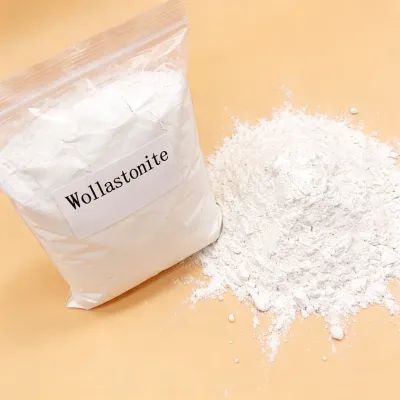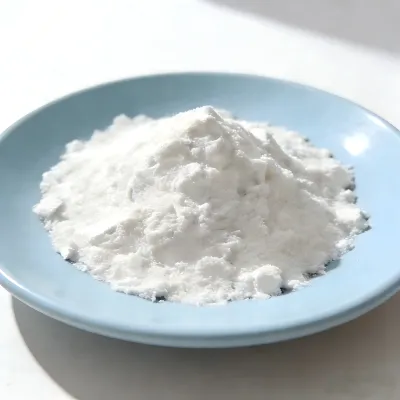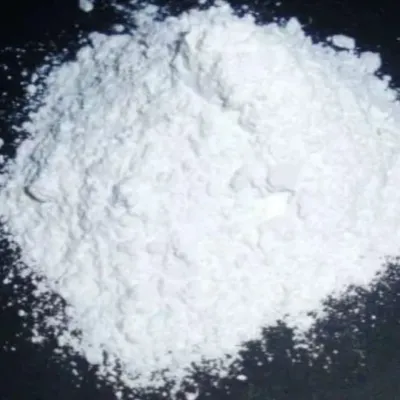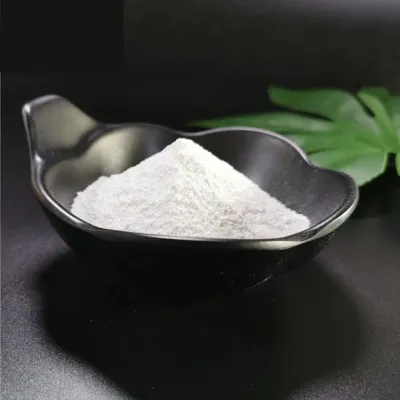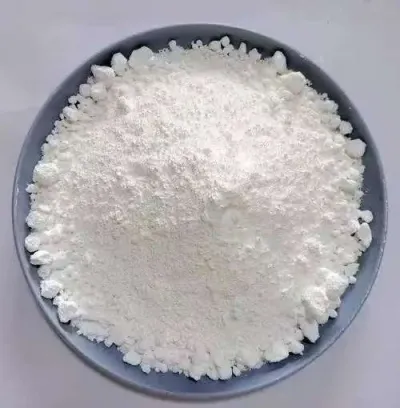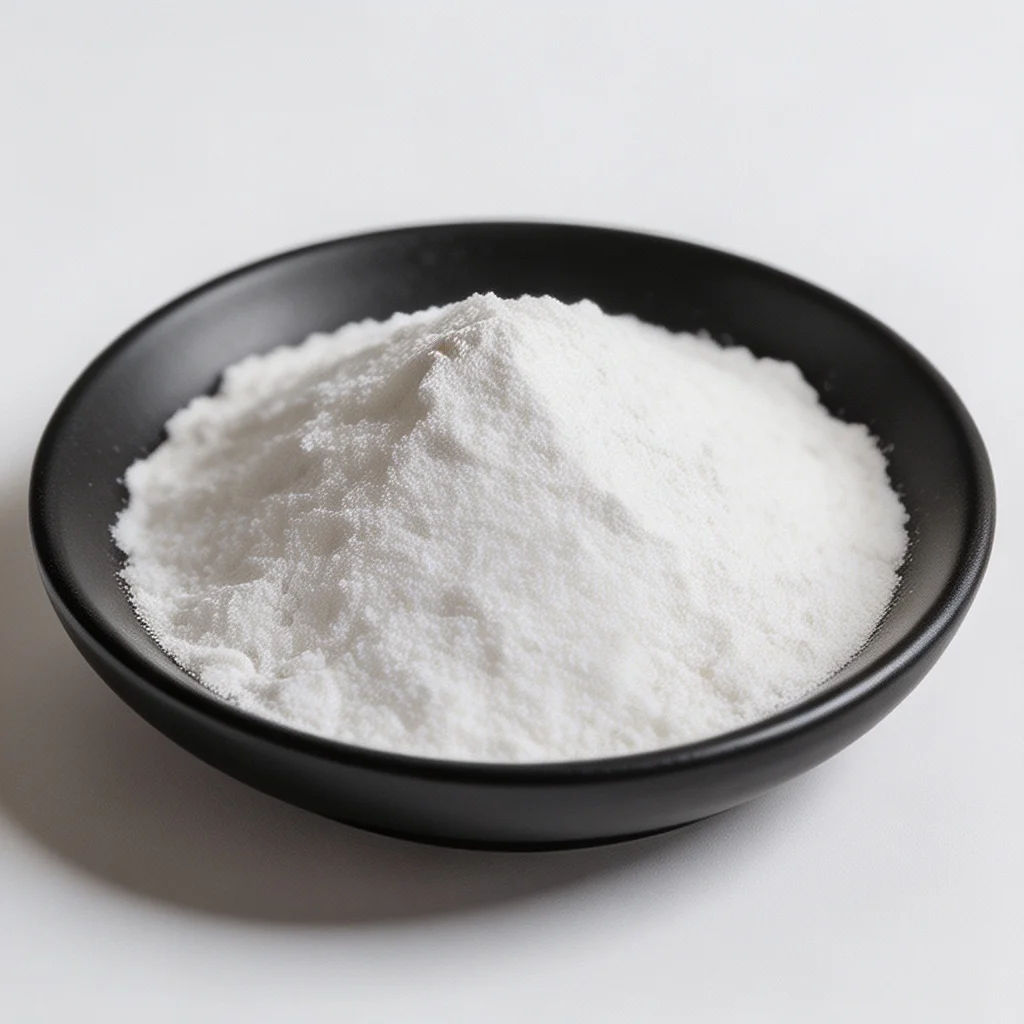
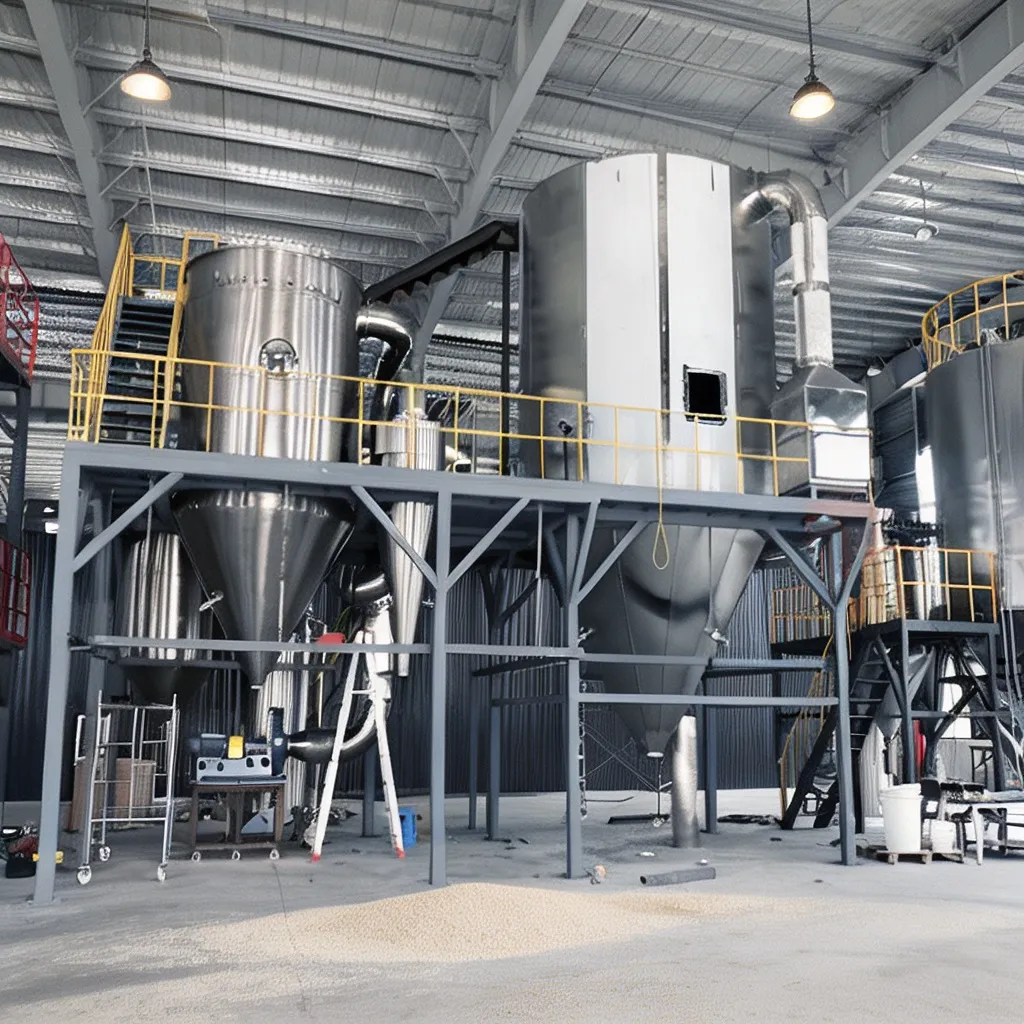
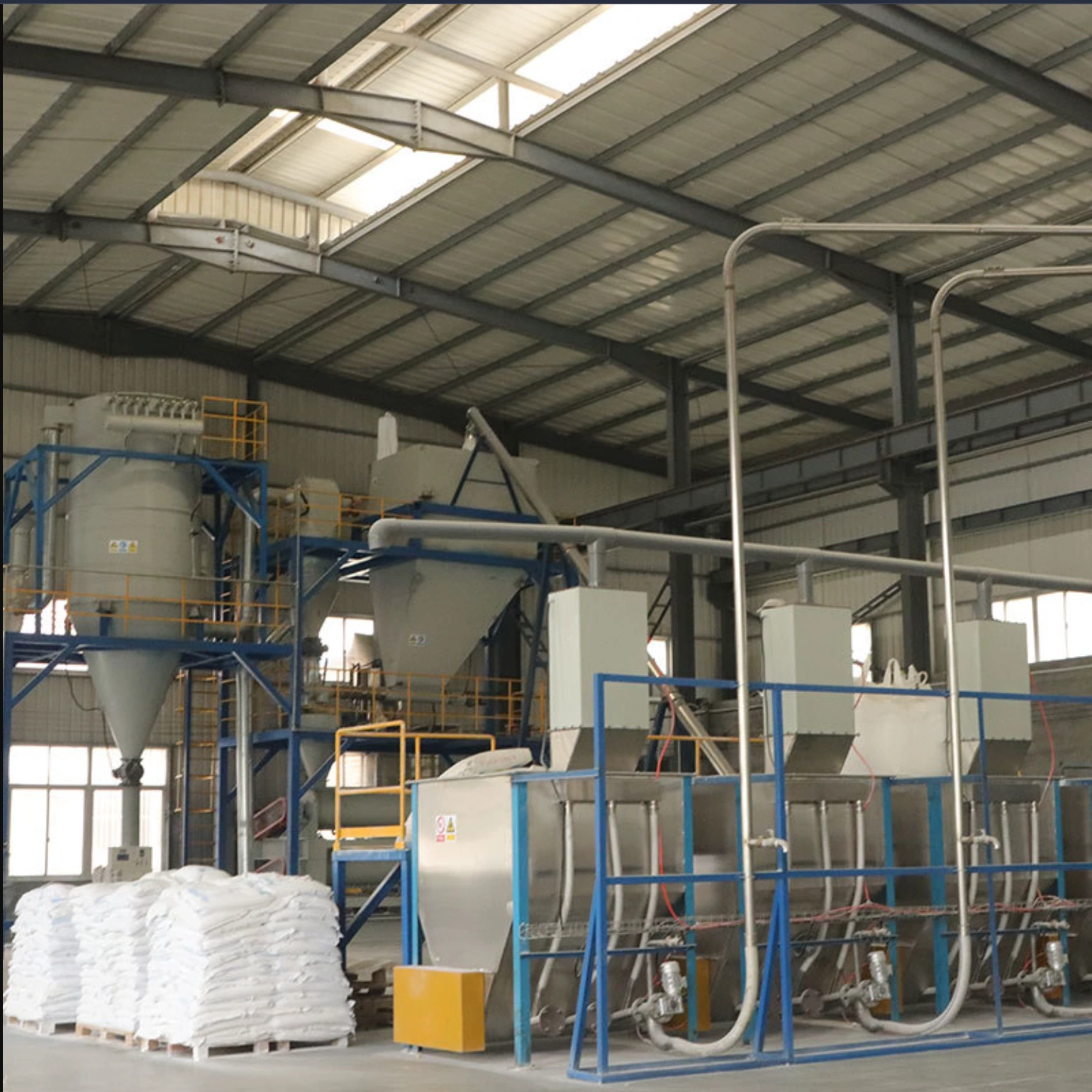
Precipitated Calcium Carbonate PCC, 96% Industrial White Superfine CaCO3 Powder, Premium and Standard Models
-
ColorWhitePhysical formPowder
-
CAS No.471-34-1Purity96%
-
Appearancewhite superfine powerApplicationPaint, Plastic, Rubber, Paper Making, Building
-
ClassificationCarbonateEINECS No.207-439-9
-
Grade StandardIndustrial GradeMolecular FormulaCaCO3
-
Other Nameslight Calcium CarbonateTypeCalcium Carbonate
Comparing two PCC models starts with the technical requirements of the buyer’s formulation. This precipitated calcium carbonate, also called light calcium carbonate, is industrial white superfine CaCO3 powder with stated purity of 96%.
Turn model names into a measurable comparison
Premium product and standard product are the actual choices. Ask for a separate technical sheet for each label so that the comparison concerns measured properties rather than the impression created by a name.
Choose the acceptance criteria before reviewing the samples. Depending on the intended formulation, these may include the particle distribution, moisture, oil absorption and treatment declaration, with the relevant methods recorded.
Keep the assay separate from powder behaviour
The 96% purity figure describes composition, while white superfine describes appearance and general form. Neither supplies a numerical particle distribution or an established difference between the two models.
Request the current assay basis and the physical measurements for the proposed model. If surface treatment matters to your system, obtain a specific declaration rather than assuming an activated grade.
Frame the enquiry around the finished material
Paint, plastic, rubber, papermaking and building are the named application contexts. Explain the intended role of PCC and the evaluation needed in the actual formulation before selecting either model.
- Identify the formulation and model to be compared.
- Agree on measurable acceptance criteria and analytical methods.
- Review the sample result alongside its current technical documents.
A successful comparison should connect the chosen powder with the buyer’s own material tests. It should not rely on an assumed premium-grade advantage or a universal replacement ratio.