White Barite Lumps for Paint and Chemical Industry, Low SiO2, Whiteness Options
-
ColorWhitePhysical formLumps
-
CaO Content (%)0.5%Dimensions0-150mm(0-5.91in)
-
Fe2O3 Content (%)0.10%maxMgO Content (%)0.01%max
-
Moisture Content (%)1%maxSiO2 Content (%)1%max
-
ApplicationPaintBaO Content (%)65%
-
BaSO4 Content (%)80-95%Largest Crystal15mm
-
Na2O Content (%)0.02%TypeBarite Ore
-
Weight4.2-4.4ColorPure White
-
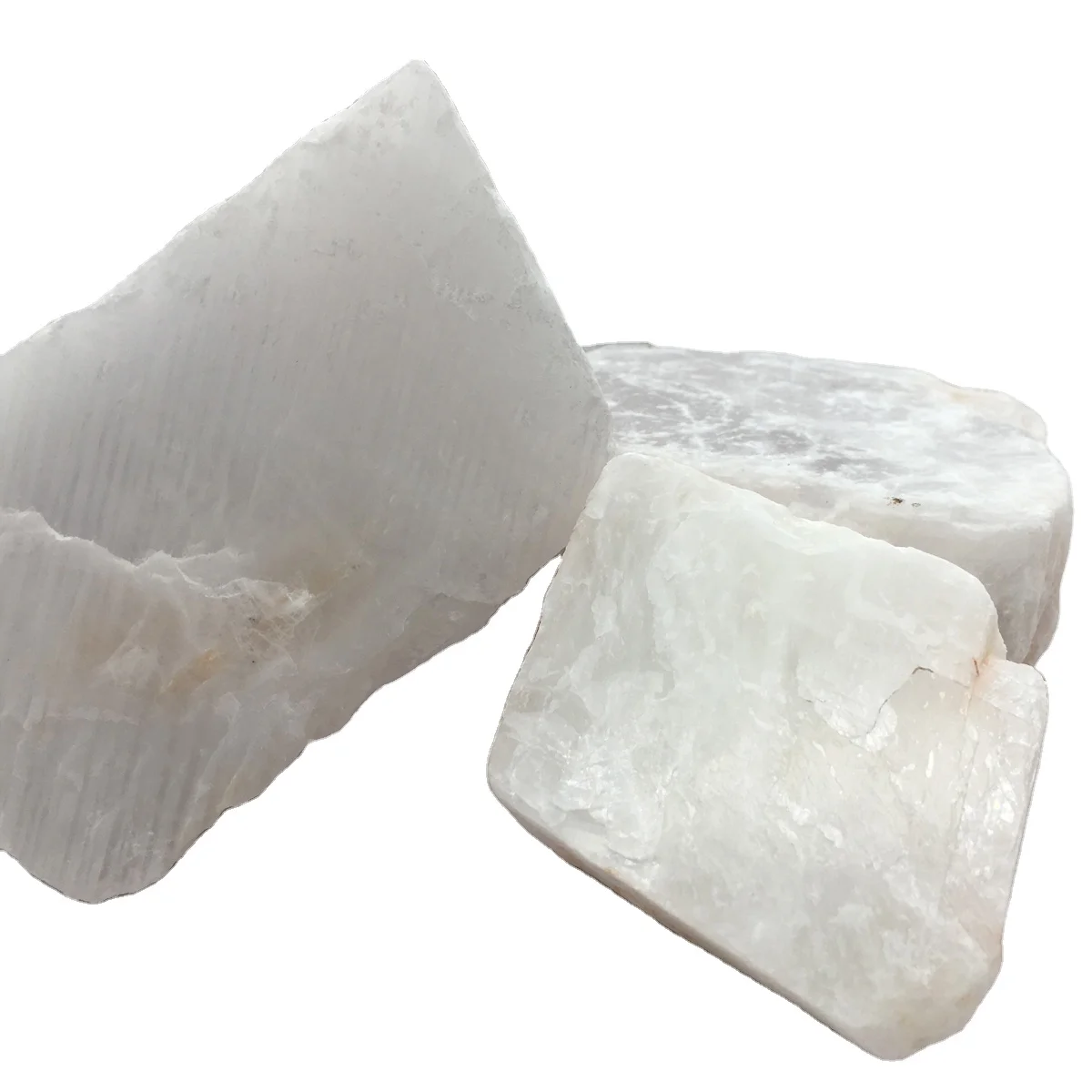
AppearanceWhite StoneProduct nameBarite ore
-
Chemical FormulaBaSO4HS Code25111000
-
CAS13462-86-7SampleYes
-
MOQ24TONSWhiteness70-99%
-
UsageCoating/Plastic/Paint/Rubber/etc
White barite lumps require a different purchasing comparison from a ready-made fine filler. This barite ore is described in a 0–150 mm dimension range, with three whiteness options that let an enquiry begin with the actual appearance band required by the intended industrial application.
Choose the barite whiteness band deliberately
The selectable whiteness bands are 70–79%, 80–89% and 90–99%. Identify the relevant band when requesting an offered-lot analysis, and confirm the whiteness test method used for acceptance. Choosing an option does not establish every other mineral parameter for that lot.
Connect the ore assay with your paint requirements
The stated BaSO4 content range is 80–95%, with SiO2 and moisture each specified at a maximum of 1%. For a paint or chemical-industry enquiry, compare the actual lot analysis against the composition limits your process needs. A single purity headline should not replace the assay required for the material being offered.
Check whether the white lumps fit your feed form
The white-stone description identifies an ore form rather than a demonstrated micronized coating filler. Confirm the required feed size, any preparation requirement and the final particle specification before planning a paint, coating, plastic or rubber trial. Keep the largest-crystal measurement distinct from the overall dimension range when discussing the mineral's physical form.
Bring the required barite whiteness band and the process's assay and sizing limits into one enquiry. That makes the next comparison specific to the white ore you can actually evaluate, rather than to an assumed finished-powder grade.