-
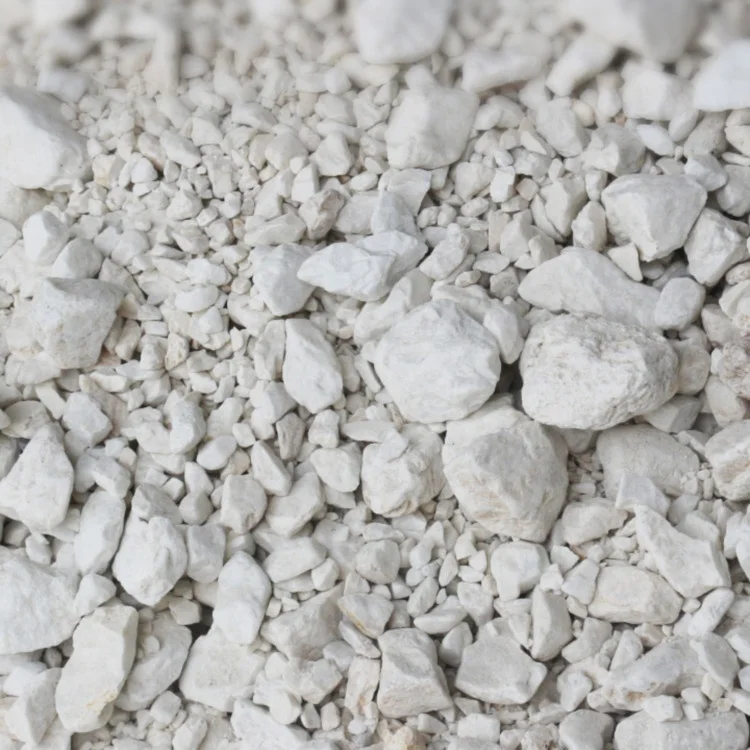
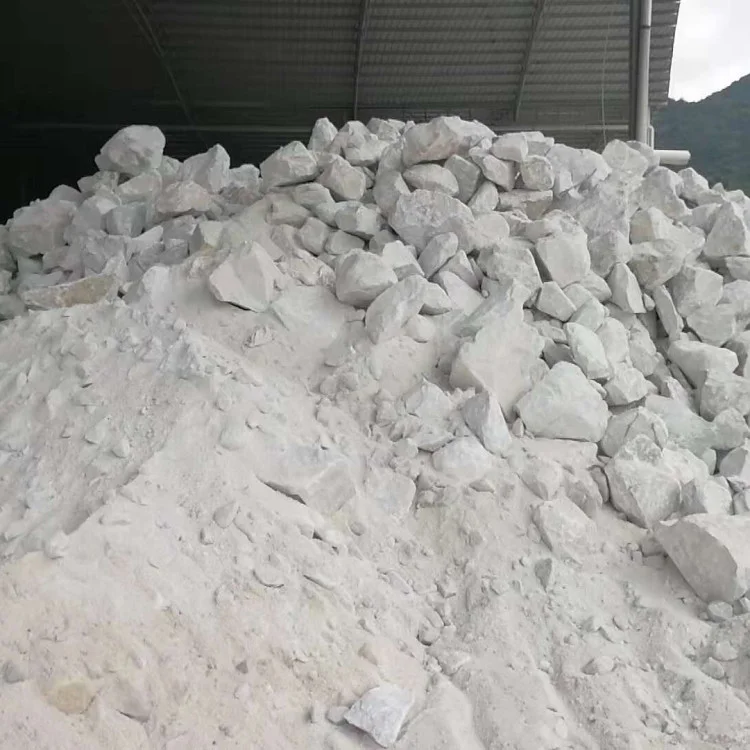
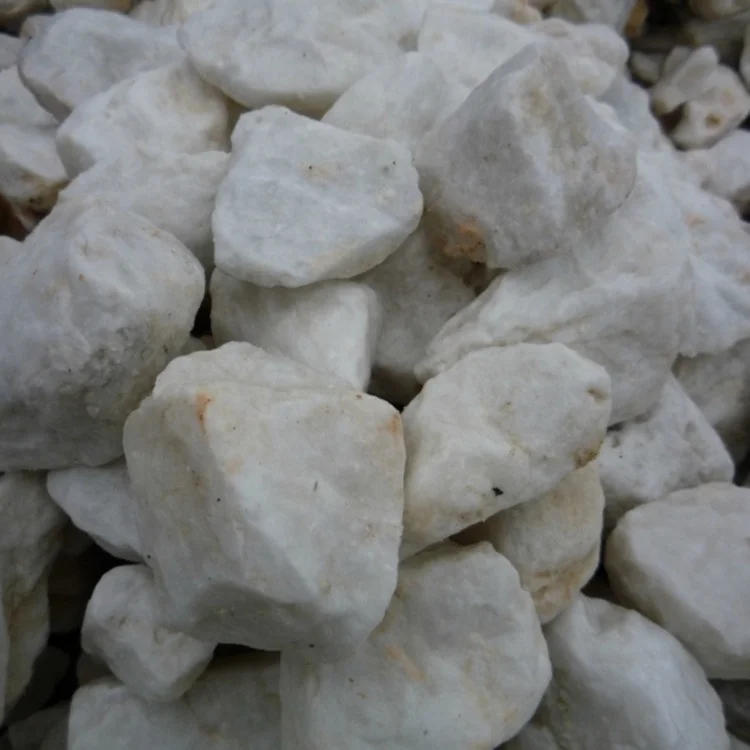
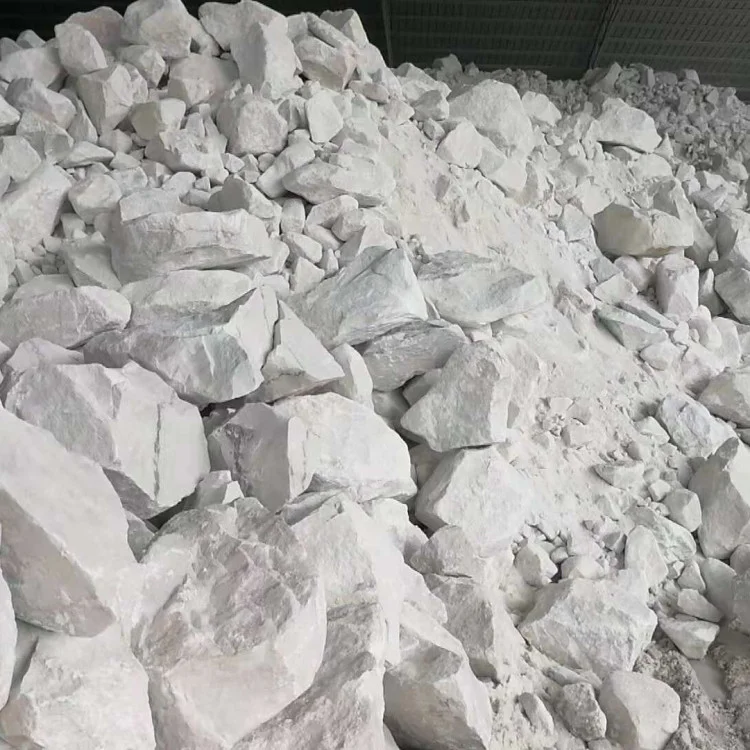
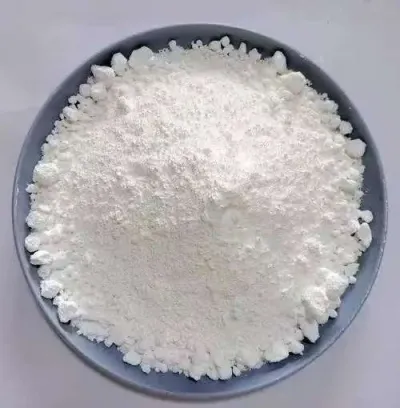
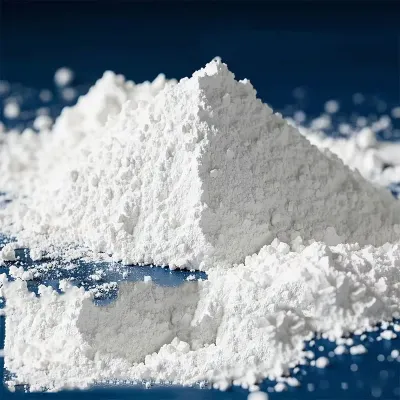
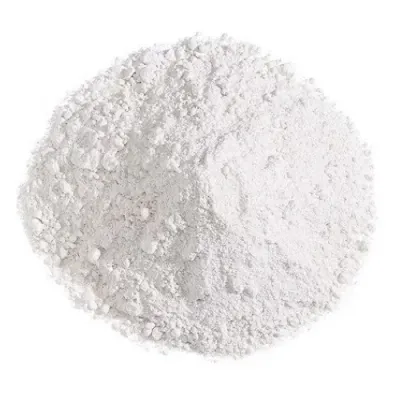
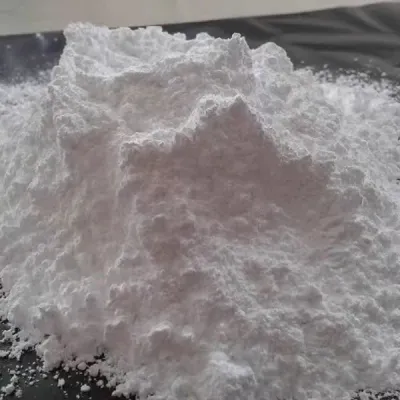
ColorWhitePhysical formLumps
-
CaO Content (%)0.5%Dimensions0-150mm(0-5.91in)
-
Fe2O3 Content (%)0.10%maxMgO Content (%)0.01%max
-
Moisture Content (%)1%maxSiO2 Content (%)1%max
-
ApplicationPaintBaO Content (%)65%
-
BaSO4 Content (%)80-95%Largest Crystal15mm
-
Na2O Content (%)0.02%TypeBarite Ore
-
Weight4.2-4.4ColorPure White
-
AppearanceWhite StoneProduct nameBarite ore
-
Chemical FormulaBaSO4HS Code25111000
-
CAS13462-86-7SampleYes
-
MOQ24TONSWhiteness70-99%
-
UsageCoating/Plastic/Paint/Rubber/etc
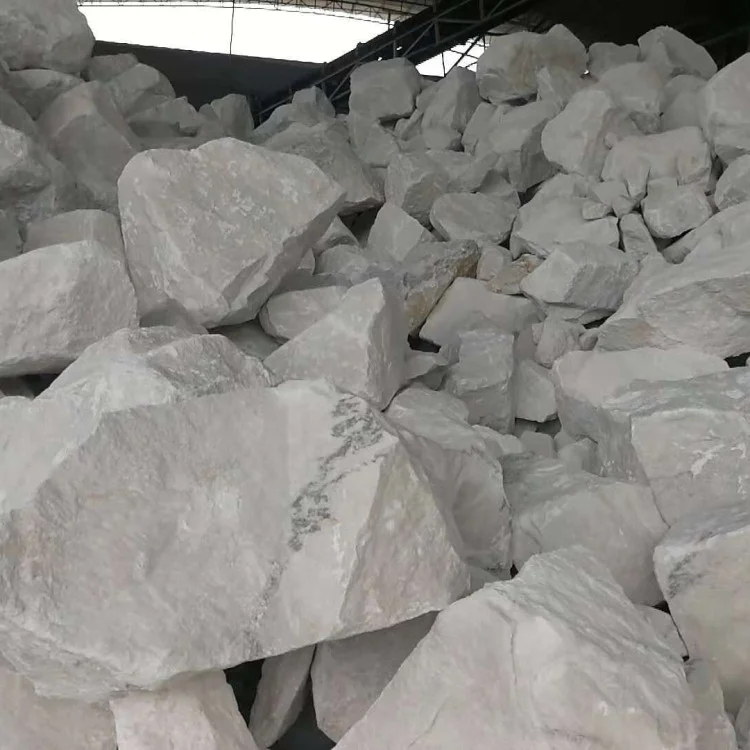
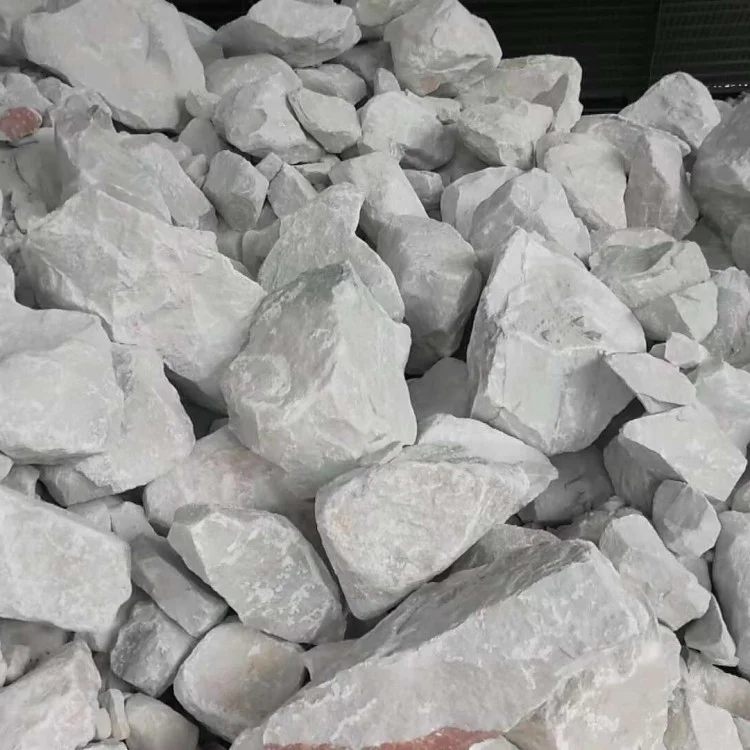
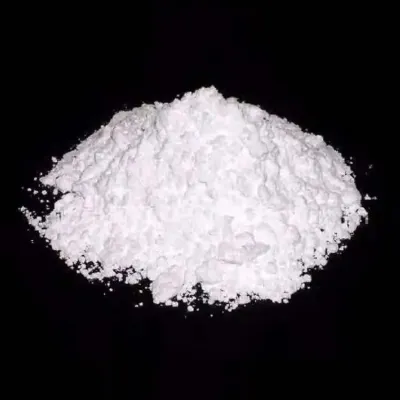
Paint-material preparation begins with knowing whether an enquiry concerns ore feedstock or a finished powder. This pure white barite ore is offered as lumps with stated dimensions of 0–150 mm and BaSO4 content of 80–95%. Its actual selectable whiteness range is 75–92%.
Specify the ore before planning mineral preparation
Identify the size and composition acceptance limits required for the project. The ore/lump form should not be assumed to enter a paint binder directly. Agree on any preparation scope and the specification needed for the resulting mineral before arranging an application comparison.
Choose the whiteness range for the actual sample
Name the selectable 75–92% range in the enquiry and request the measurement method. The broader parameter description also mentions 70–99% whiteness, so the selected grade must remain explicit. Ore colour does not independently establish the appearance of a processed powder or completed paint.
Review composition and moisture together
Moisture is stated as 1% maximum, with additional oxide percentages given for technical review. Obtain current analysis defining the basis of every constituent relevant to acceptance. Keep the separate largest-crystal dimension of 15 mm distinct from the overall lump-size range.
Use a sample to define the next comparison
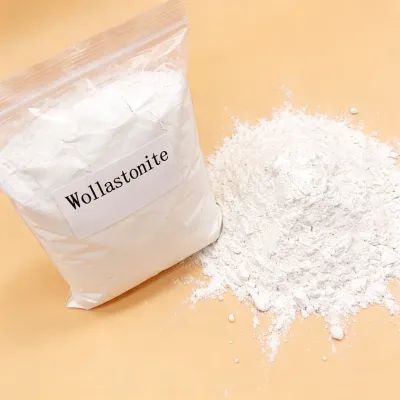
A sample and customised size can be discussed for a specified requirement. Connect the selected ore grade with the intended preparation and eventual coating, plastic or rubber evaluation. Keep sample analysis, agreed size and relevant test methods together before deciding whether the material meets the project's processing needs.