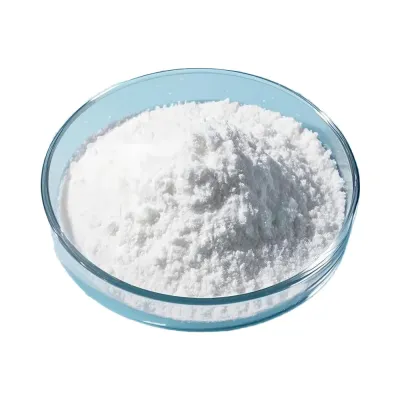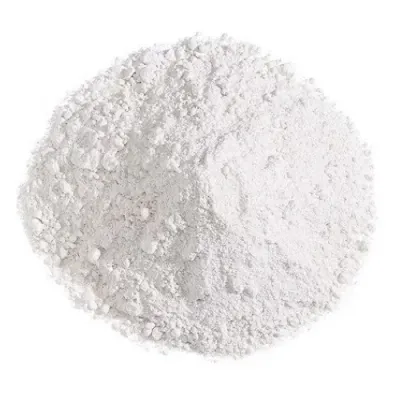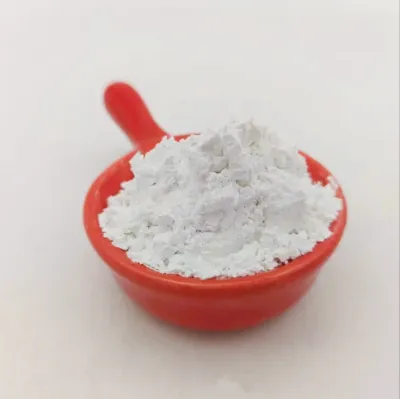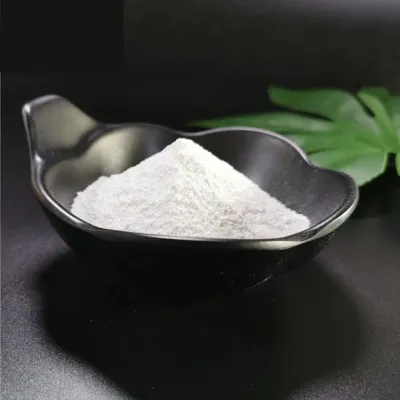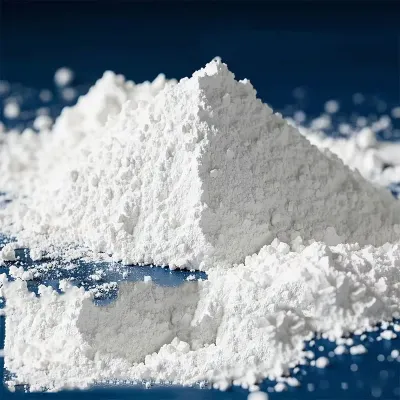
XM-BA380 Natural Barium Sulfate Barite Powder for Powder Coating, 85% Minimum Purity
-
ColorWhitePhysical formPowder
-
CAS No.13462-86-7Purity85%min
-
AppearanceWhite PowderApplicationpaiting, printing, coating
-
ClassificationSulphateEINECS No.236-664-5
-
Grade StandardIndustrial GradeMolecular FormulaBaSO4
-
Other NamesbariteTypeBarium Sulfate
-
ColorPure WhiteGradeIndustral Grade
-
Hs code25111000.00Product nameXM-BA380
-
CAS13462-86-7MOQ24MT
-
ApperanceWhite PowderStorageDry Place
-
Molecular formulaBaSO4 Barium Sulphate
A natural-mineral enquiry should distinguish the minimum composition requirement from the results expected in a coating. XM-BA380 is a pure white industrial barium sulfate barite powder with stated minimum purity of 85%. Powder coating, painting, printing and coating are its named application directions.
Check XM-BA380 against the required assay threshold
Request current analysis for the actual sample and compare it with the project's compositional acceptance criteria. Keep the minimum qualifier attached to the 85% purity statement. A stated threshold does not describe every remaining constituent or establish the suitability of an unspecified coating formulation.
Define the powder profile before processing
Ask for a measured particle distribution with units and the analytical method. Request any optical or absorption measurements required by the intended binder. The XM-BA380 name and pure white appearance should not be used to infer a particular mesh size, whiteness percentage or dispersion result.
Keep sample condition and coating trial connected
The stated storage instruction is a dry place. Retain the supplied handling information with the sample and use the relevant grade documents when planning the comparison. Define the powder-coating resin and processing criteria before evaluating the resulting film.
Use the intended application to decide acceptance
Printing and other coating projects need their own binder and performance tests. Record the actual sample identity, analysis and trial conditions alongside the acceptance result. This allows the technical enquiry to assess a defined natural-barite material rather than assuming a universal addition rate or a finished-coating benefit.