-
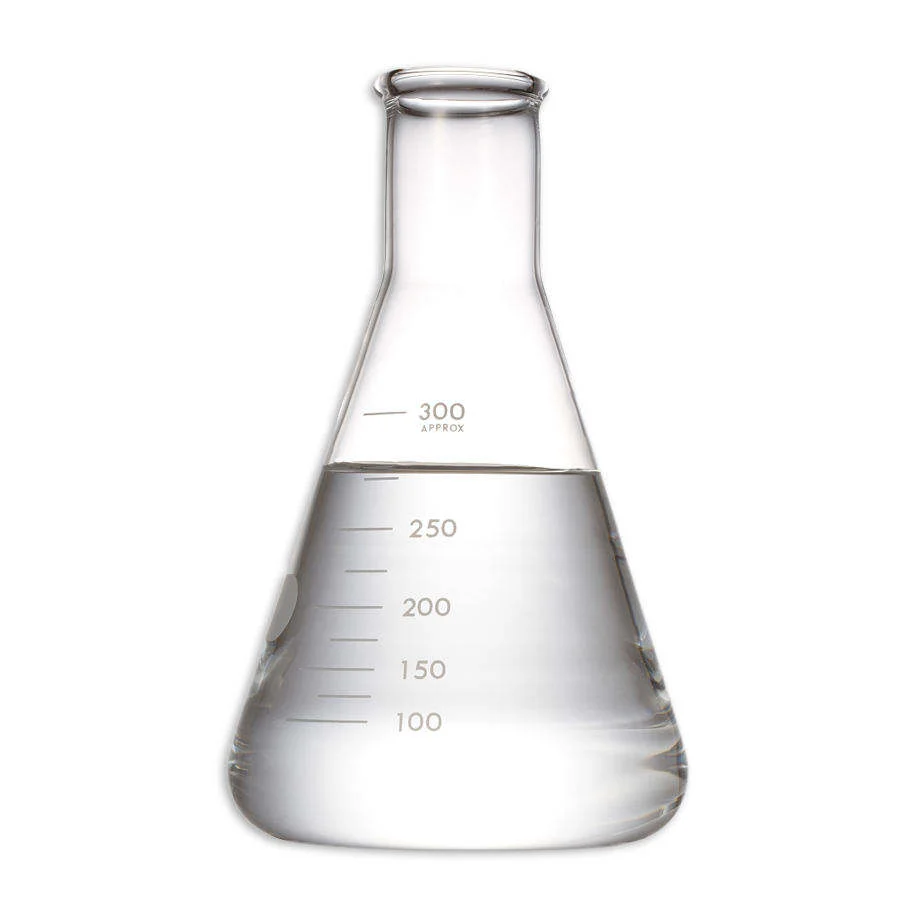
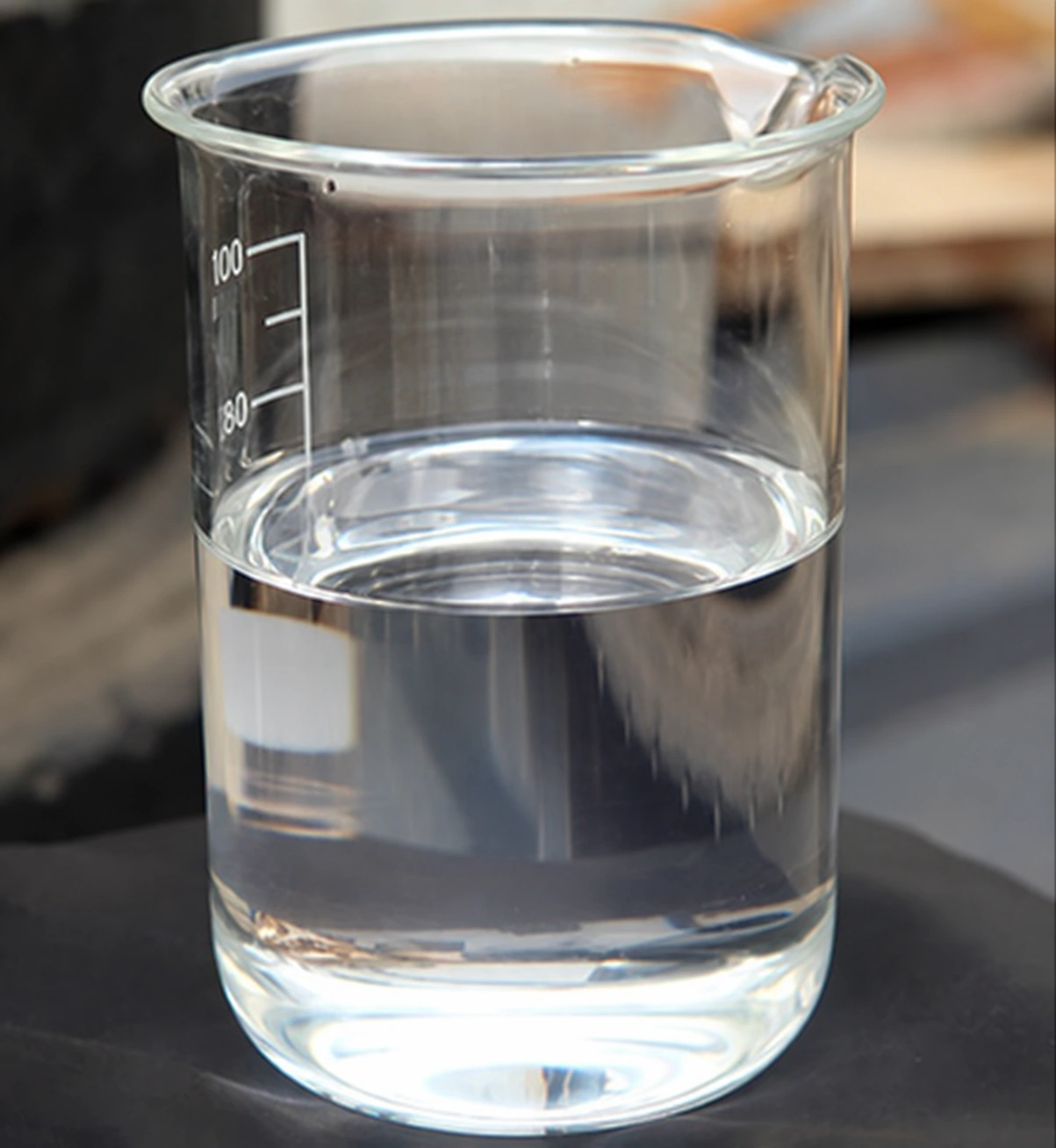
ColorTransparent , ColorlessPhysical formLiquid
-
Carbonizable Substances(GB/T 11079)PASSFlashPoint-Coc/℃ (GB/T 3536)≥150/160/200
-
Colour Saybolt(GB/T 3555)30HeavyMetal Content(mg/kg) (SH/T 0128)10
-
PbContent(mg/kg) (GB/T5009.12)1As Content(mg/kg)(GB/T11081)1
-
UvAbsorbance Of Aromatic Hydrocarbons0.1WaterSolubleAcid Or Alkali(GB/T259)NONE
-
AppearanceColorless/ Odorless/ Non-fluorescent/Transparent oilyliquid
XM-WO350 white mineral oil, also described as liquid paraffin, is offered as a colourless, odourless, non-fluorescent transparent oily liquid. A useful evaluation begins by identifying the exact grade needed for the intended formulation, especially when the enquiry concerns a cosmetic-related application.
Anchor the mineral-oil enquiry to XM-WO350
Use XM-WO350 as the offered model when requesting a matched technical document. Ask how the numbered oil designations relate to that model rather than assuming every code describes a separately selectable version. A clear grade mapping is necessary before comparing physical properties across white mineral oils.
Read the oil tests with their stated methods
The parameter set names Saybolt colour under GB/T 3555, a carbonizable-substances test under GB/T 11079 and a water-soluble acid or alkali test under GB/T 259. Request analytical reports applicable to the offered material. Confirm viscosity conditions and the relevant flash-point threshold instead of treating several thresholds as one grade guarantee.
Separate transparent appearance from cosmetic qualification
A transparent liquid appearance does not establish acceptance for every cosmetic formulation. Determine the applicable grade standard and impurity requirements, then obtain the documents needed for that specific use. The liquid paraffin name should not be used to infer skin compatibility or a finished-product compliance result.
For XM-WO350, the decisive next information is a matched grade specification that connects identity, test conditions and intended-use evidence. Bring that documented mineral-oil profile into the formulation assessment before choosing a substitute or approving the material.