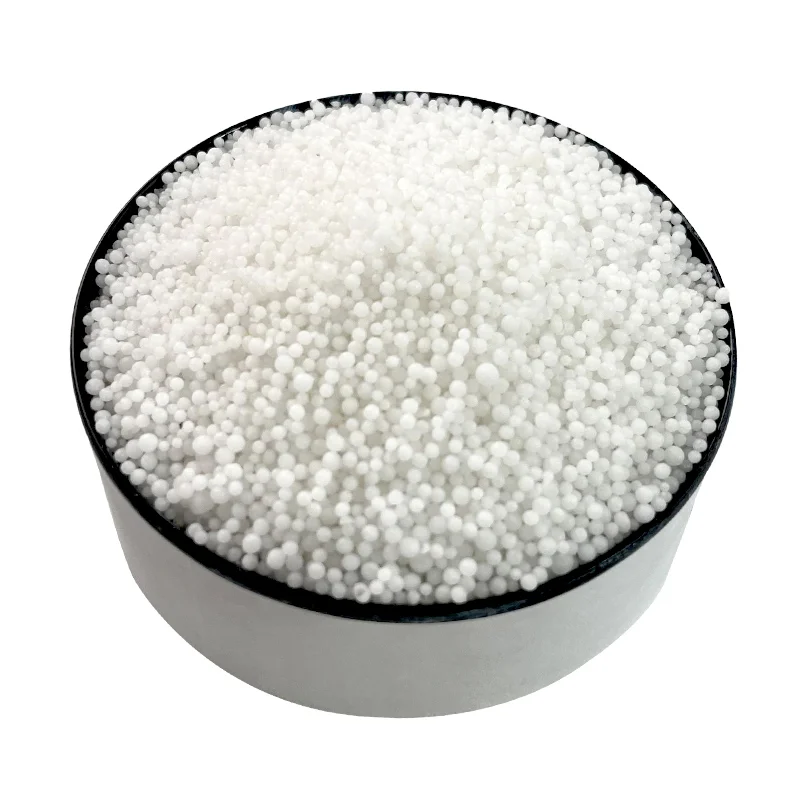
Agricultural Urea 46% Nitrogen Fertilizer for Prilled and Granular Grade Enquiries
-
ColorWhitePhysical formGranular
-
CAS No.57-13-6Purity46%min, 46%
-
ApplicationfertilizerClassificationNitrogen Fertilizer
-
EINECS No.200-315-5Molecular FormulaCH4N2O
-
Other NamesaquacareRelease TypeQuick
-
StateGranularTypeUrea
-
CAS57-13-6Colorwhite
-
Melting point132-135 °C(lit.)Boiling point332.48°C (estimate)
-
Density1.335 g/mL at 25 °C(lit.)Vapor Pressure<0.1 hPa (20 °C)
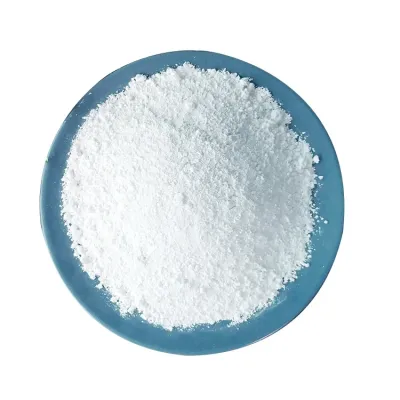
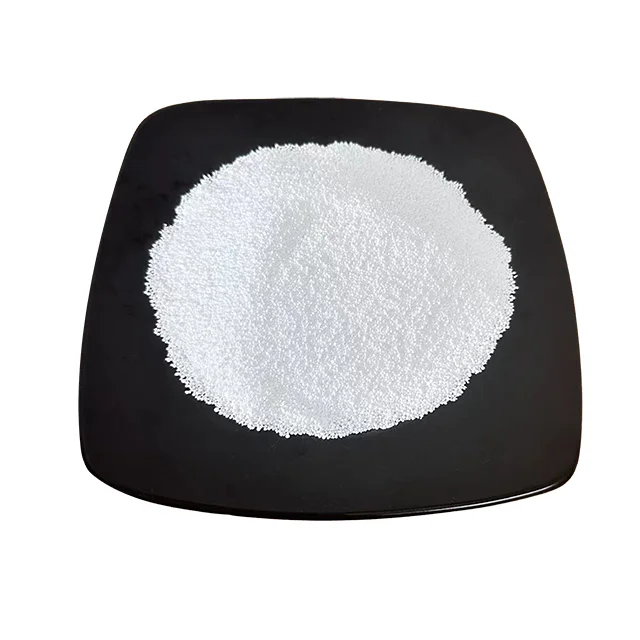
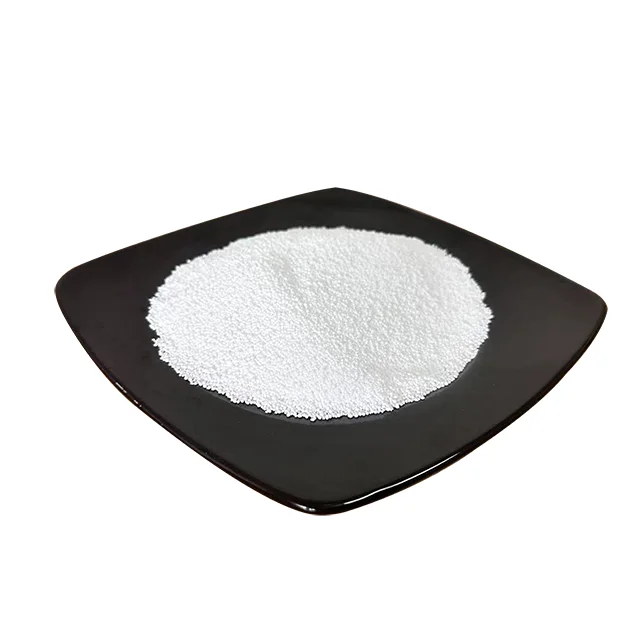
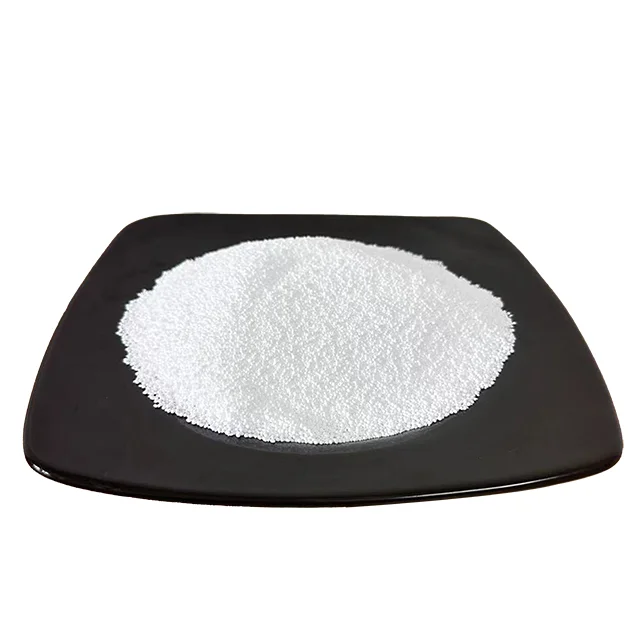
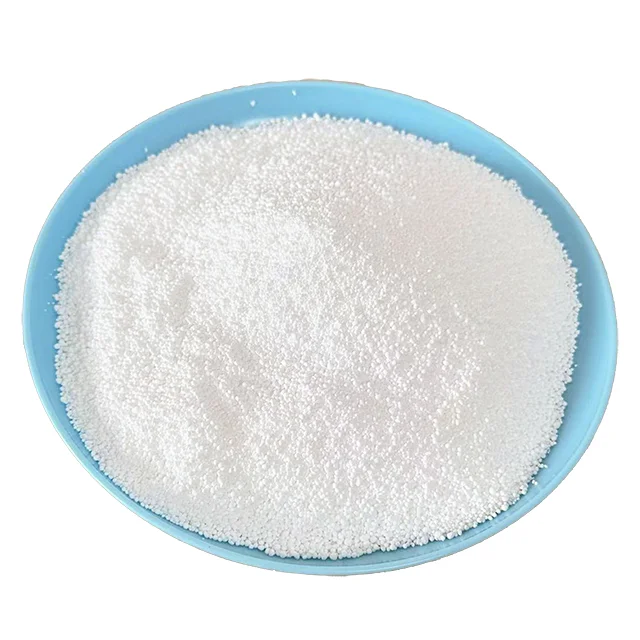
The 46% figure in this urea enquiry identifies nitrogen, so it should be compared with a fertilizer requirement on that basis. The product is described as white granular urea with an agriculture-grade designation and stated formula CH4N2O.
Compare nitrogen analysis on the right basis
Request the current nitrogen result and the method supporting the offered grade. Do not interpret the nitrogen designation as a statement that the material contains only that percentage of the urea compound.
Include the moisture, biuret or other impurity criteria required by your program when asking for analysis. Those are qualification questions, not assumed values for the offered fertilizer.
Confirm the prilled or granular material form
Prilled and granular terminology appear in the grade enquiry, while the material state is described as granular. Ask which exact form is offered and obtain its particle information before comparing it with an existing requirement.
- Identify the physical form and the sample being proposed.
- Review nitrogen and the relevant grade-analysis records.
- Check the particle criteria needed for the intended application arrangement.
Fit the fertilizer to the actual program
State the crop and soil context when requesting applicable use guidance. A nitrogen-content designation does not determine an application rate or demonstrate a crop response on its own.
Keep any release or performance assessment tied to the actual material and relevant conditions. Review the grade documents and supplied handling information before choosing a program; a quick-release label is not a measured release profile or a substitute for crop-specific evidence.