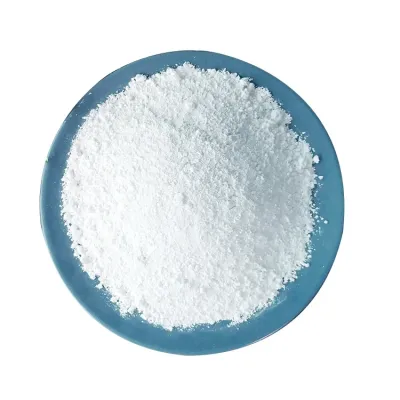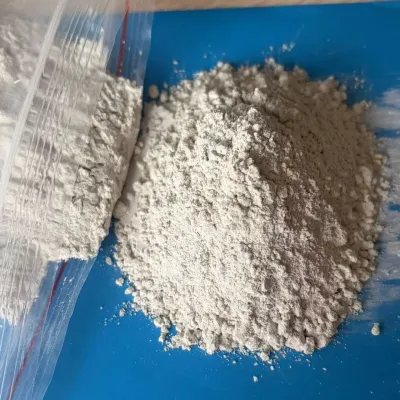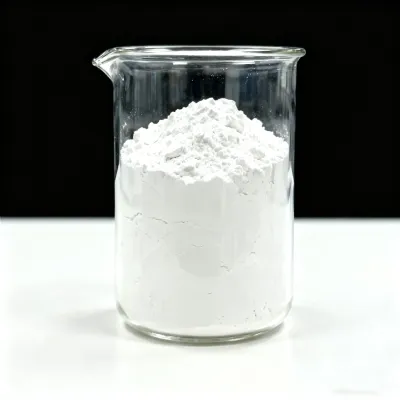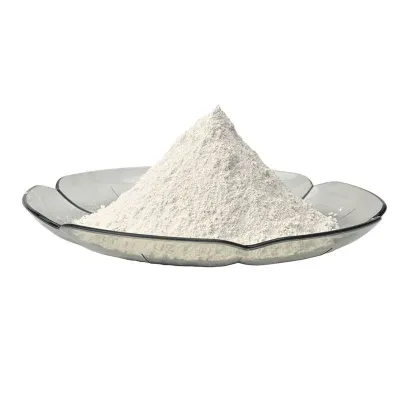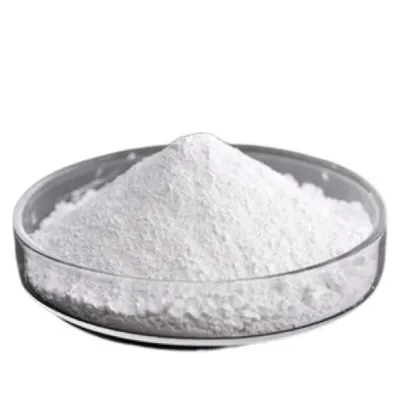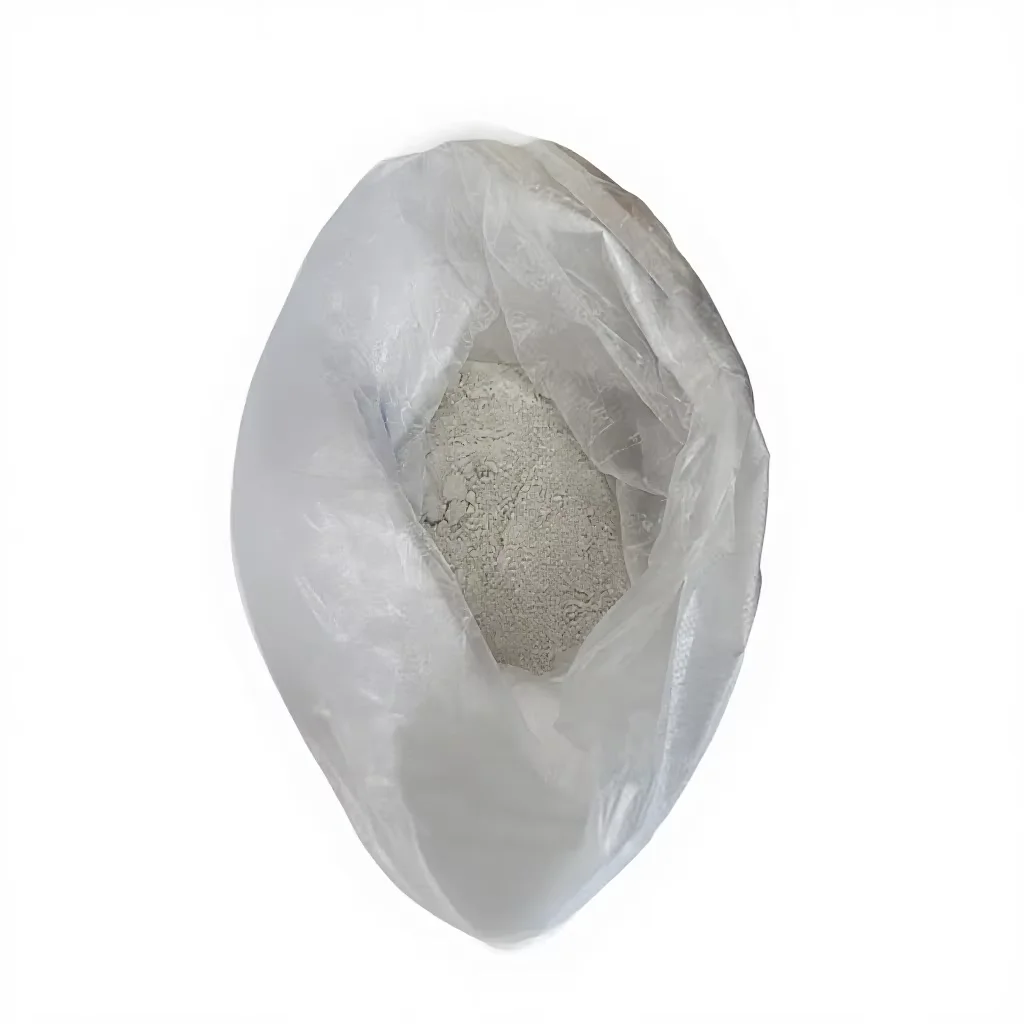
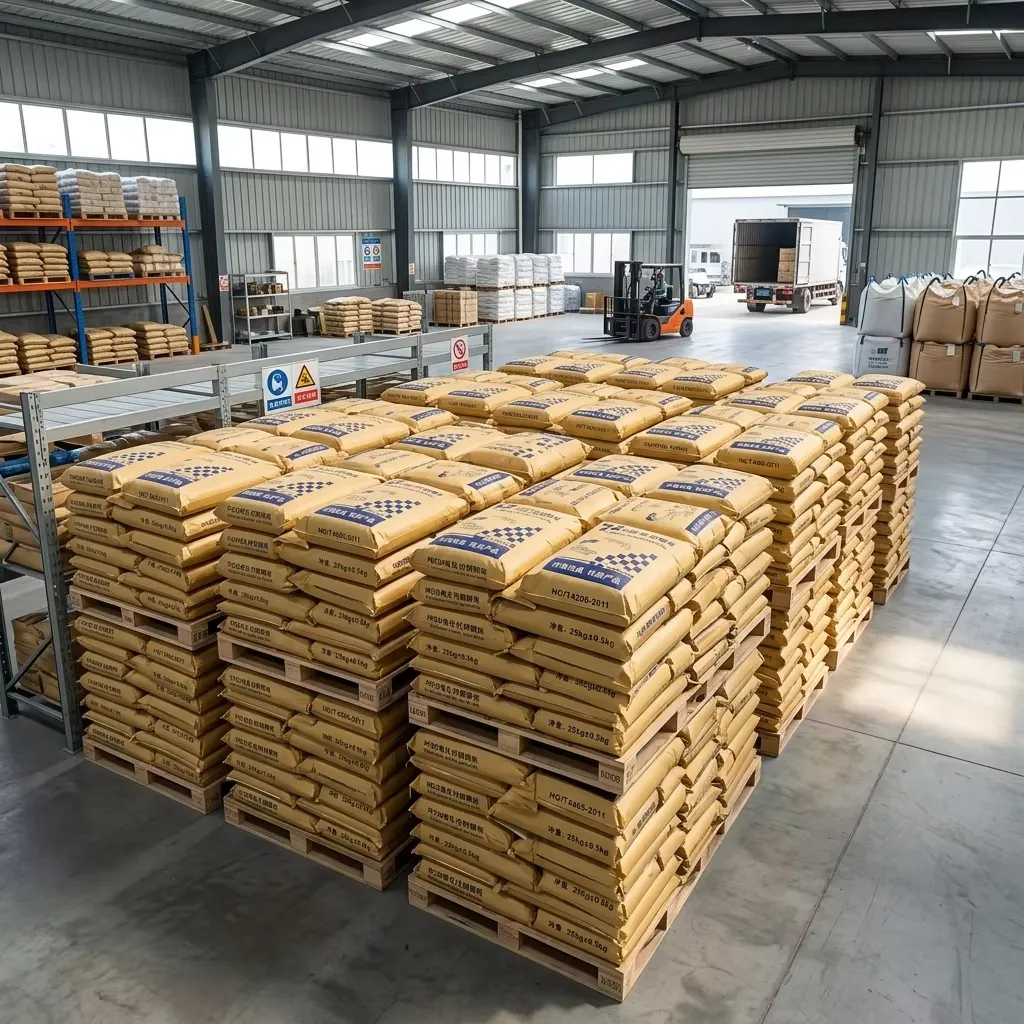
Calcium Oxide CaO Quicklime White Powder 75% for Soil Improvement, pH Adjustment and Compaction Assessment
-
ColorWhitePhysical formPowder
-
CAS No.1305-78-8Purity75%
-
AppearanceWhite powderApplicationSoil Improvement
-
ClassificationCalcium OxideEINECS No.215-138-9
-
Grade StandardIndustrial GradeMolecular FormulaCaO
-
Other NamesQuicklime
A soil improvement enquiry needs to begin with the soil and the project's acceptance criteria. This calcium oxide, also called quicklime, is a white CaO powder with stated purity 75% and an industrial-grade designation.
Describe the soil problem before selecting material
Identify whether the project concerns pH adjustment, compaction assessment or another defined soil requirement. Provide representative soil measurements and have a qualified specialist determine what evaluation is appropriate for the actual site.
These questions establish a basis for comparison without assuming a universal soil response. They do not specify an application rate or promise a particular change in pH or physical condition.
Check the quicklime against the project requirements
Request a current certificate of analysis and technical sheet tied to the proposed sample. Confirm how the stated 75% purity is tested and which additional composition or physical measurements the soil assessment requires.
Qualification is a separate decision
For an agricultural enquiry, obtain the relevant use qualification and check the requirements that apply to the intended project. Chemical identity and an industrial-grade description alone do not establish agricultural suitability or an approved soil treatment.
Review evidence before a field decision
Use the safety data sheet and the responsible specialist's assessment when planning any evaluation. Ask for representative test evidence linked to the actual material and soil conditions, with acceptance criteria agreed in advance.
Keep the sample identity, analytical documents and project review together. A decision about this quicklime should follow that evidence rather than relying on an assumed compaction benefit or a predicted pH result.