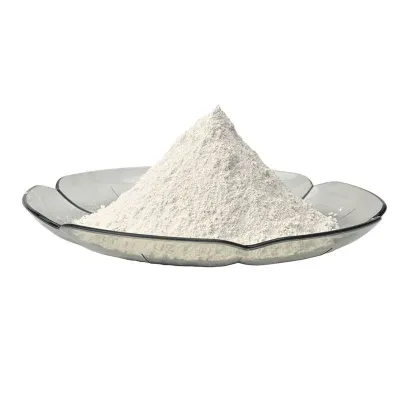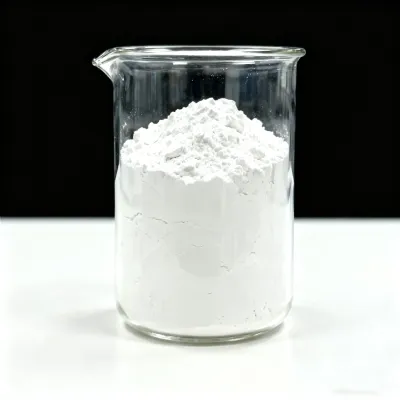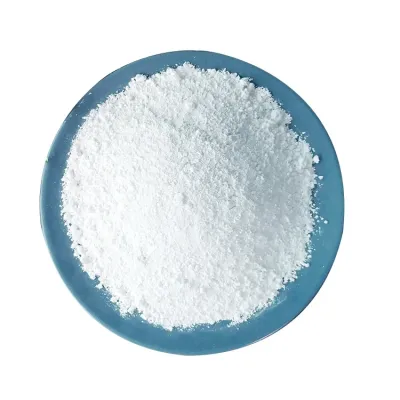
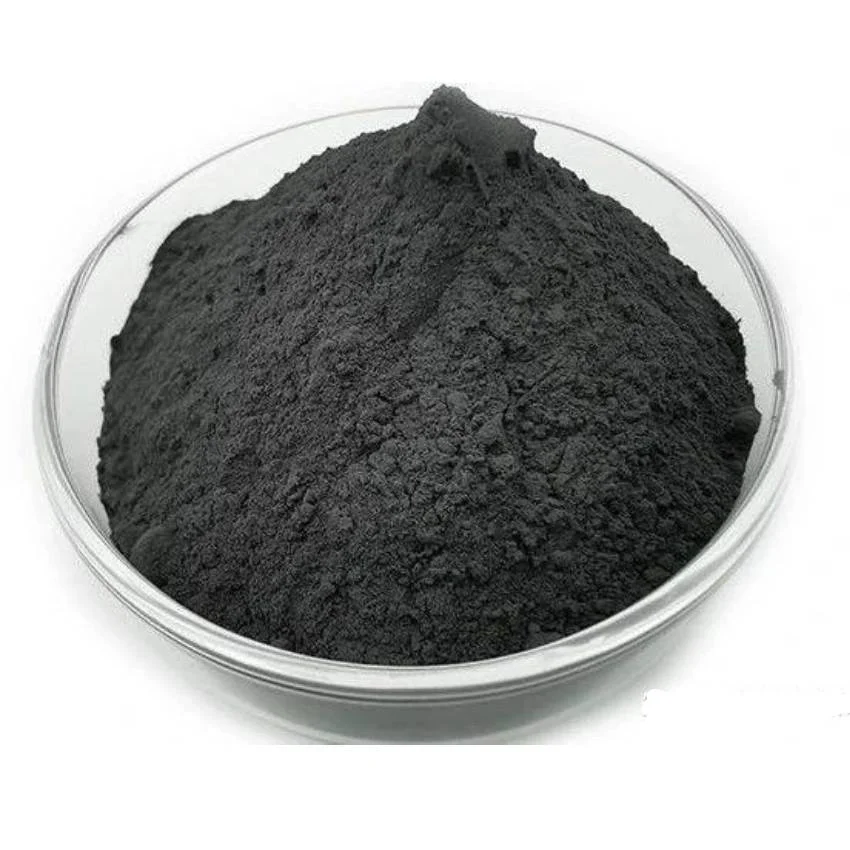
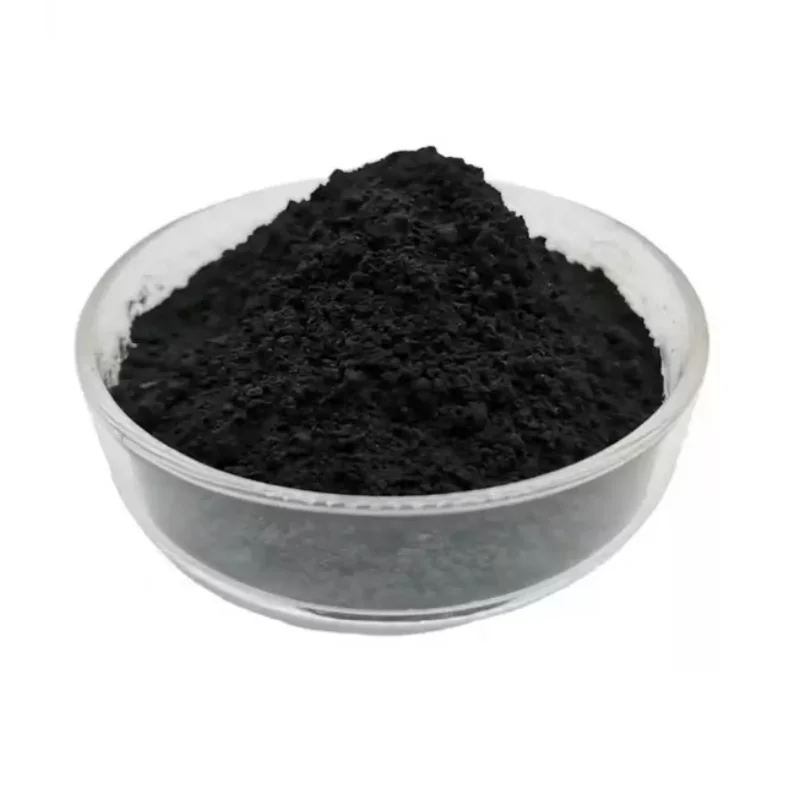
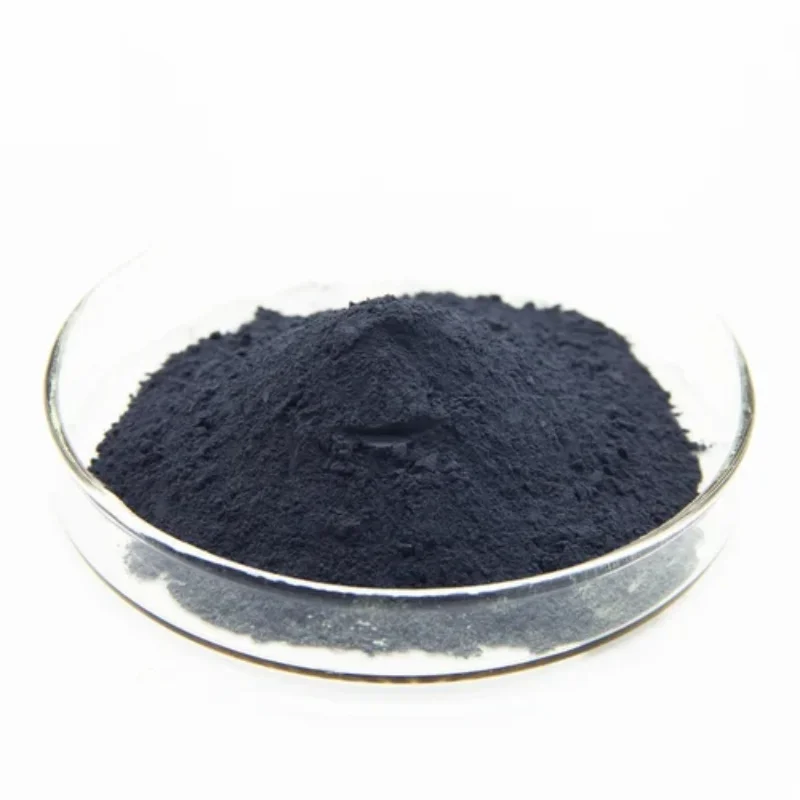
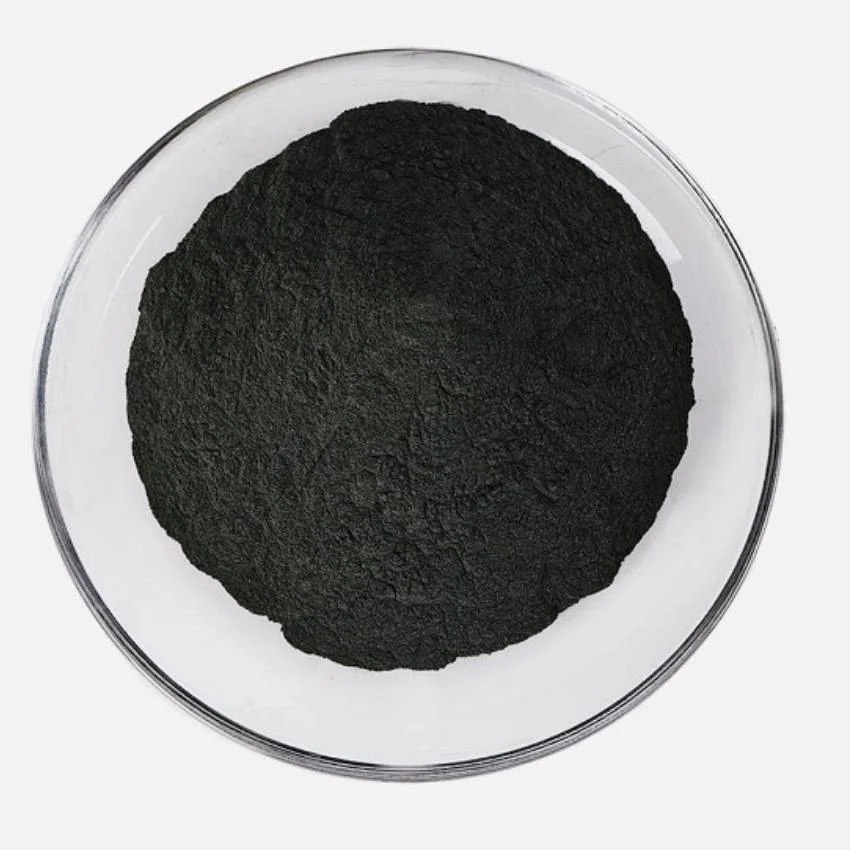
Cobalt Oxide Industrial Black Powder, Stated CoO for Electronic and Magnetic Material Enquiries
-
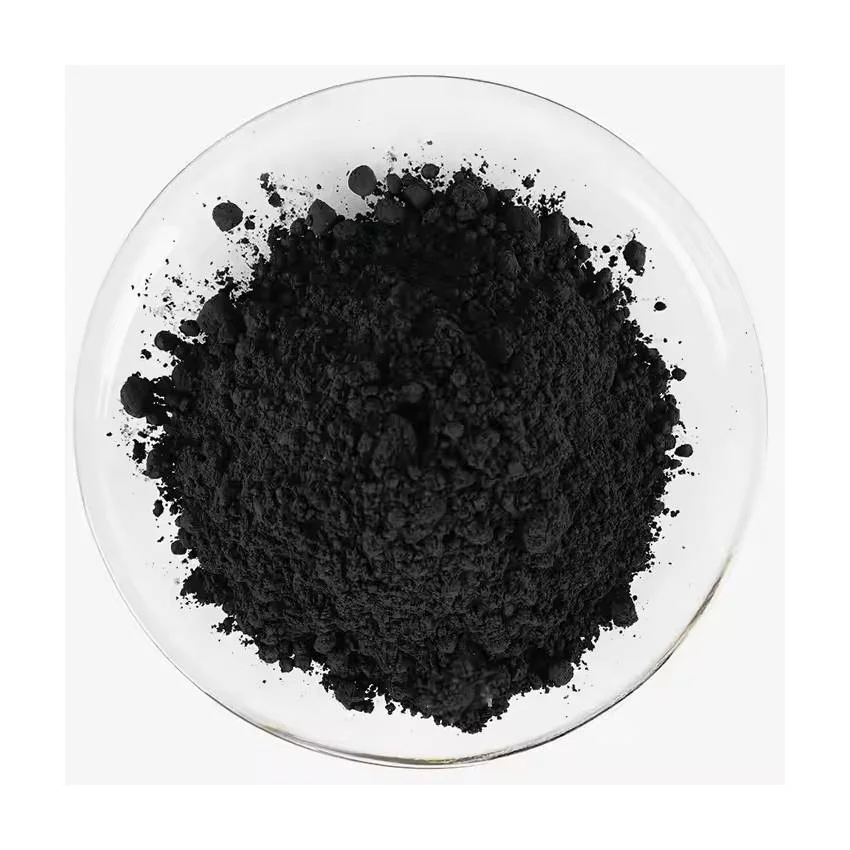
ColorBlackPhysical formPowder
-
CAS No.1307-96-6PurityCo 72-74
-
Model NumberTY-Cobalt OxideAppearanceblack powder
-
Applicationmagnetic materialsClassificationCobalt Oxide
-
EINECS No.215-154-6Grade StandardIndustrial Grade
-
Molecular FormulaCoOOther NamesCobalt Oxide
-
Melting point:1785 °Cdensity:6.45
-
Water Solubility:insolubleHS Code:28220090.00
Electronic and magnetic-material enquiries should define the actual function and material criteria before selecting a cobalt oxide powder. This industrial black powder is referenced as TY-Cobalt Oxide with a stated CoO designation.
Match the stated CoO designation to the actual offer
Obtain current analysis, technical and safety records identifying the actual oxide phase and composition. Confirm the elemental cobalt assay basis and the unit attached to any content range rather than treating cobalt content as compound purity or filling missing measurement information.
Request measurements behind the nano-particle description
A nano description does not supply an actual particle distribution or applicable measurement method. Specify the powder criteria relevant to the proposed electronic or magnetic ingredient role and request results for the material being offered.
- Phase criterion
- Confirm the actual oxide and reconcile chemical identifiers.
- Particle criterion
- Agree the distribution and measurement basis needed by the process.
- Functional criterion
- Define representative process and application acceptance tests.
Evaluate physical and functional evidence separately
Confirm the density unit, thermal-event definition and relevant water-solubility methods before using physical descriptors as selection criteria. Black appearance and a chemical designation do not establish electronic or magnetic performance or provide operating settings.
Compare the offered material against the actual role's chemical, powder and process requirements using matched current documents and representative results. Selection should follow confirmation of phase, elemental analysis and measured particle criteria together with the functional acceptance evidence required by the specific application.