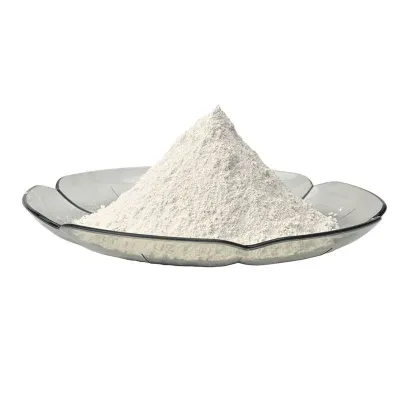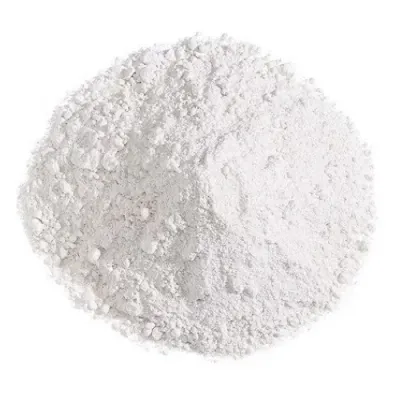
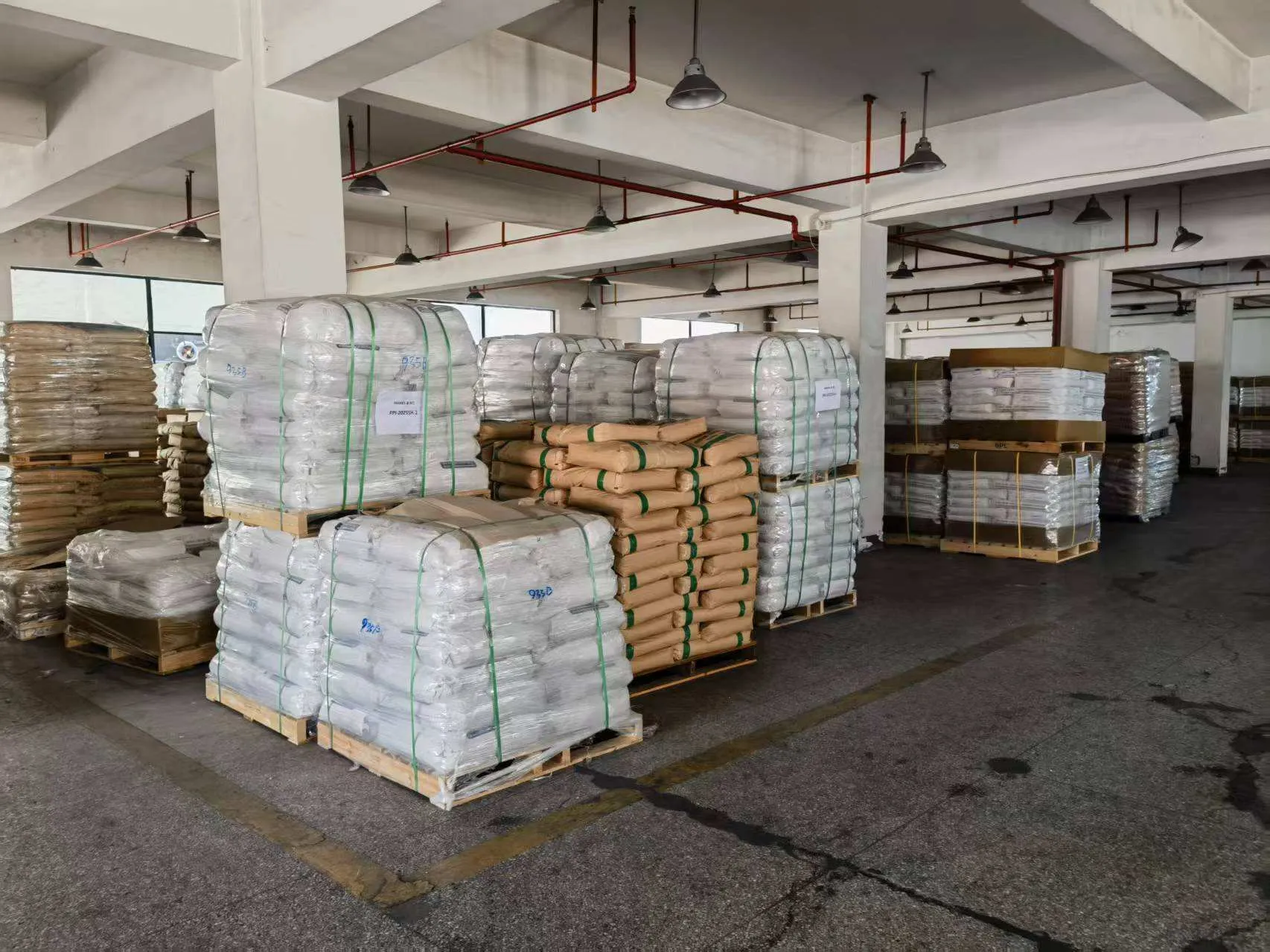
Foaming-Grade Talc Powder for Shoe Materials, Latex and Insulation Foam Assessment
-
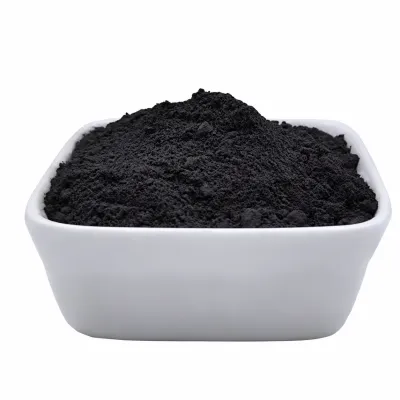
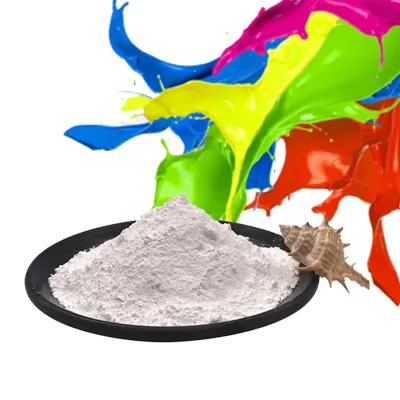
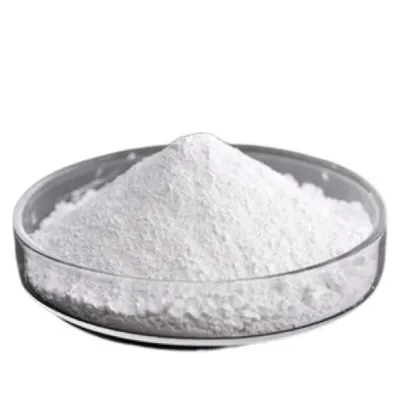
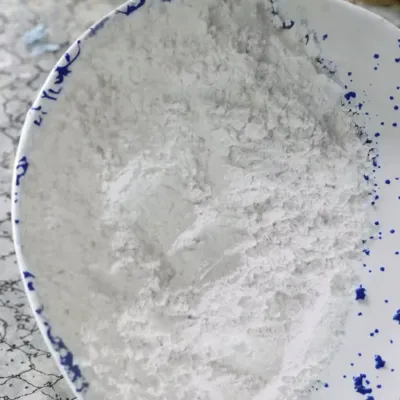
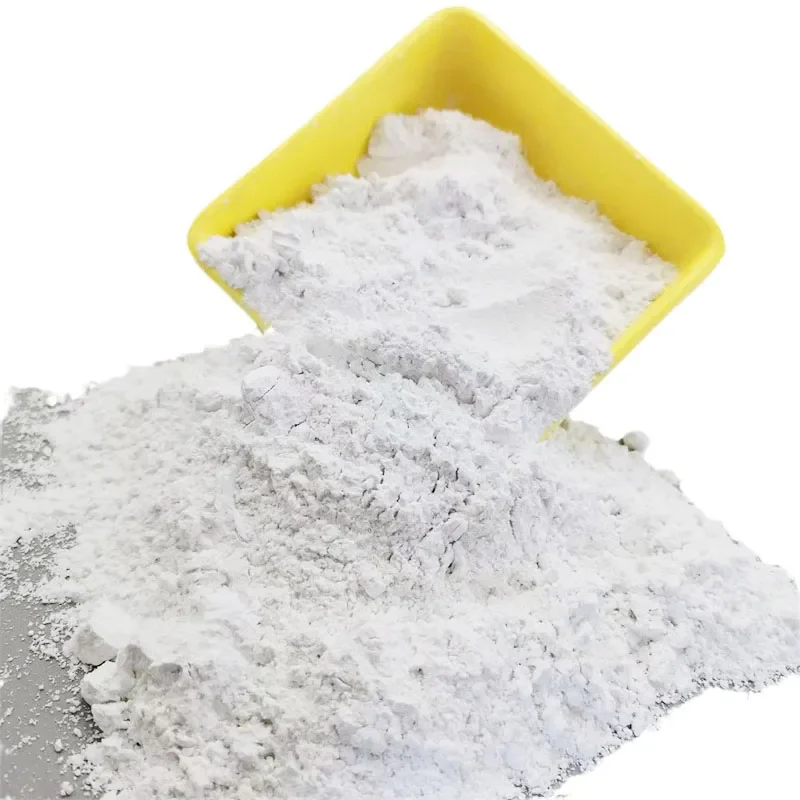
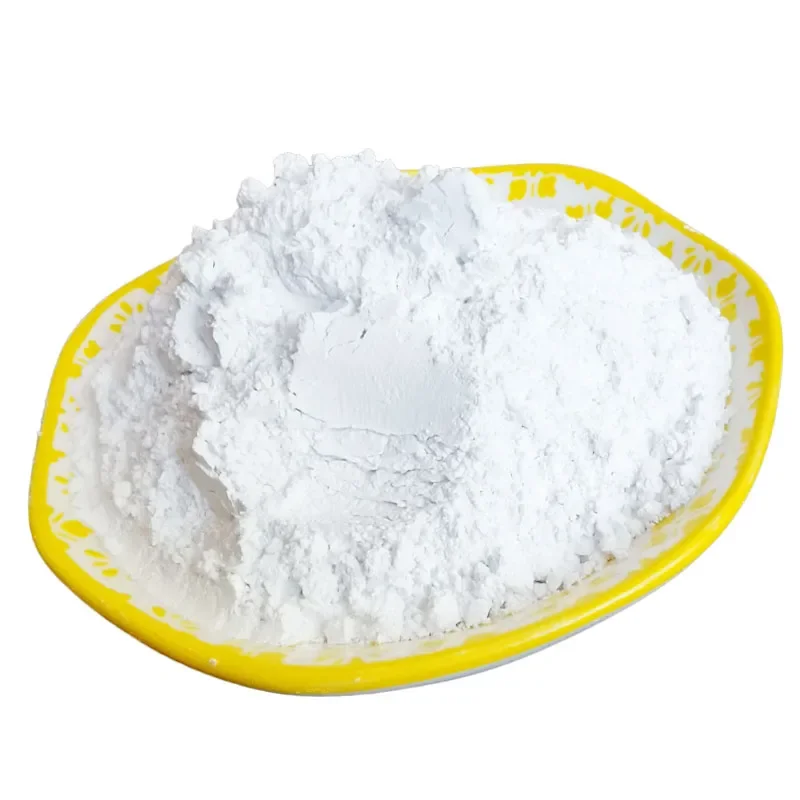
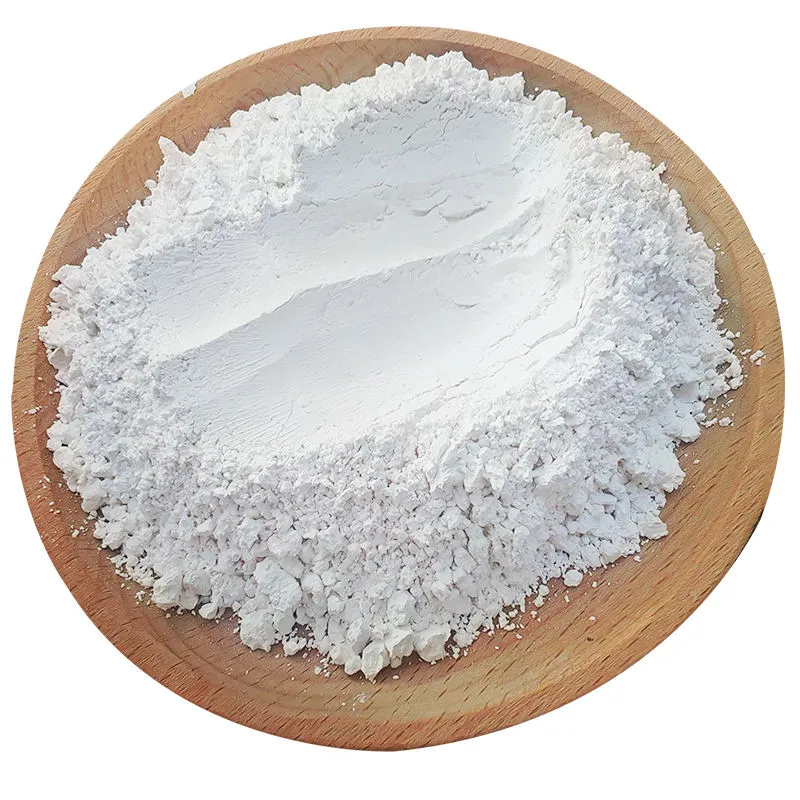
Physical formPowder
Specify the powder characteristics needed for your foam project before comparing grades. This foaming-grade talc powder is named for shoe materials, latex and insulation foaming, with the actual offered grade and numerical selection criteria to be confirmed.
Translate fineness into an agreed measurement
Explain whether your comparison uses a mesh designation or a measured particle distribution, then ask for the relevant report and method. No numerical mesh value is established here. A common measurement basis helps the technical exchange distinguish a real grade difference from a difference in how fineness is described.
- Shoe-material foaming enquiry.
- Latex-foam material assessment.
- Insulation-foaming grade request.
Set a colour criterion where appearance matters
Request an actual whiteness or colour measurement for the proposed sample and identify its test basis. A high-whiteness description does not provide a numerical acceptance value. Keep the optical requirement separate from the foam behaviour you intend to assess, since the two questions need different evidence.
Link the proposed grade to one foam trial
Identify the formulation and the finished-material criteria that matter to the chosen application. Obtain the grade name, mineral analysis, technical sheet and safety information before arranging a representative evaluation. Record sample identity and trial conditions alongside the observations, then decide whether the material warrants further qualification. No thermal rating, universal processing recipe or common result across every named foam system is established by the powder designation alone.