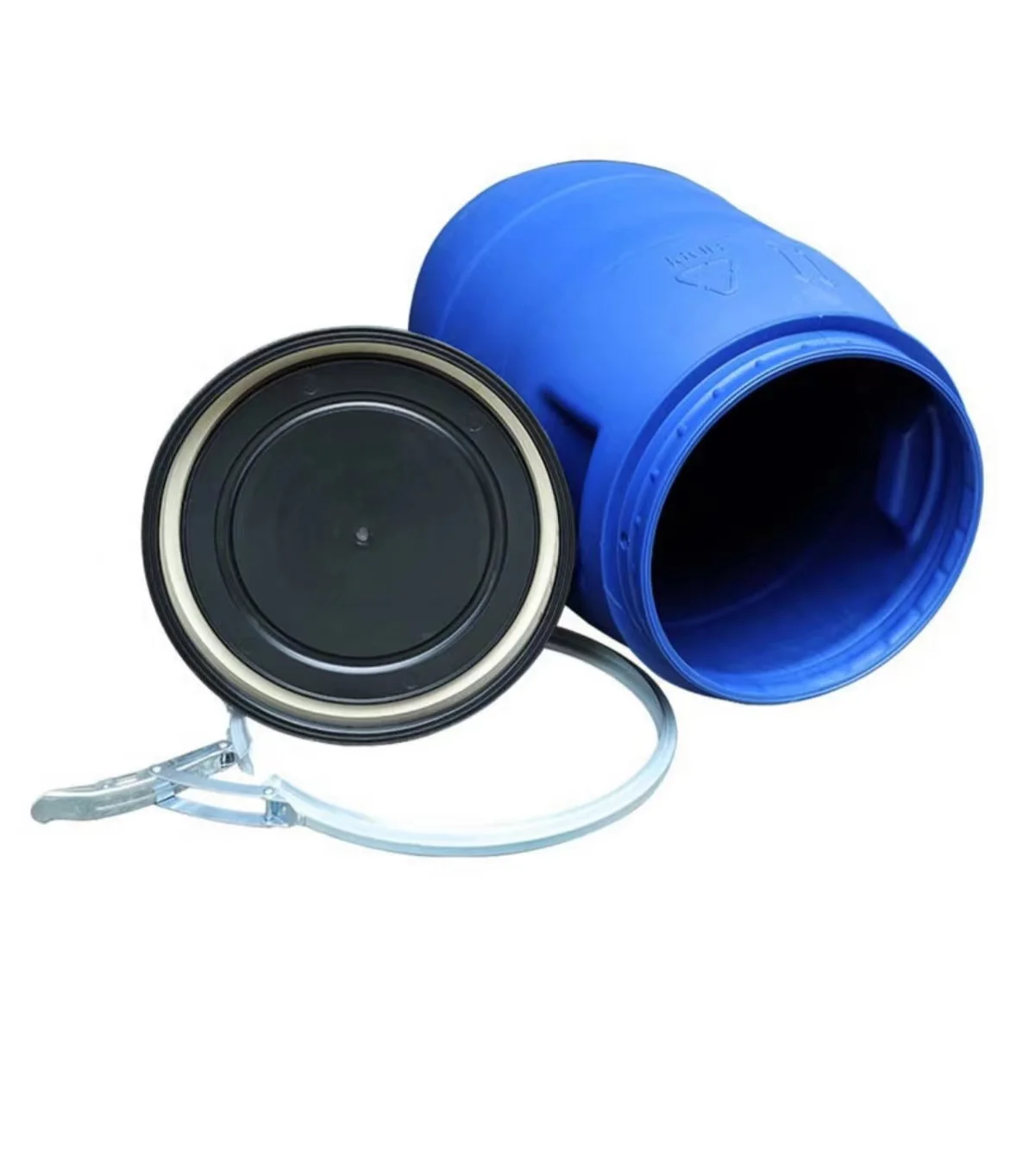
HDPE Flange Barrel, 30L–200L Described Range, for Chemical Waste-Liquid and Acid/Alkali Compatibility Enquiries
-
ColorBlue , WhitePhysical formLiquid
-
MaterialPlastic, HDPETypeBarrel
-
UsageliquidProduct nameFlange barrel
-
Colorblue or whiteApplicationLoad goods
-
Size30L-200LMOQone
-
PackageCarton PackageShapeBarrel shape
-
Ratio of pure materialrecycled material 100% pure materialKeywordplastic barrel
A chemical or waste-liquid barrel should be selected for the actual contents and offered construction. This HDPE plastic flange barrel is described for liquid use, in blue or white, with a stated capacity range of 30L–200L.
Confirm the supplied barrel within the described range
Ask for the actual capacity, dimensions and colour being offered, rather than assuming selectable variants from the range description. Request wall-thickness and closure details and any lining specification needed to compare the barrel with the packaging requirement.
Match compatibility evidence to the contained liquid
Identify the actual chemical or waste stream, concentration, temperature and contact conditions. Acid-and-alkali resistance wording does not establish suitability for every liquid, so relevant compatibility and leakage evidence should concern the actual barrel and closure under the required conditions.
- Construction record
- Actual capacity, dimensions, wall and closure details, lining and material provenance.
- Qualification record
- Contents-specific compatibility, leak and handling results against the project’s accepted criteria.
Clarify resin provenance and required approvals
Request the actual material declaration without assuming a virgin-resin or recycled-content specification. HDPE identity alone does not establish food-contact status or dangerous-goods transport approval, and any required qualification should be supported by the relevant records.
Describe the intended contents and handling requirements when enquiring about a sample and technical documentation. Assess the supplied barrel’s construction and test evidence together so the decision answers a defined liquid-packaging requirement, without an unsupported wall-strength, chemical-resistance or approval claim.