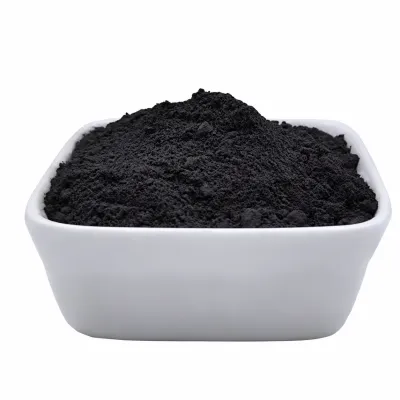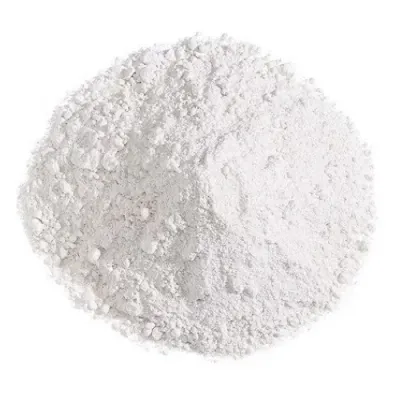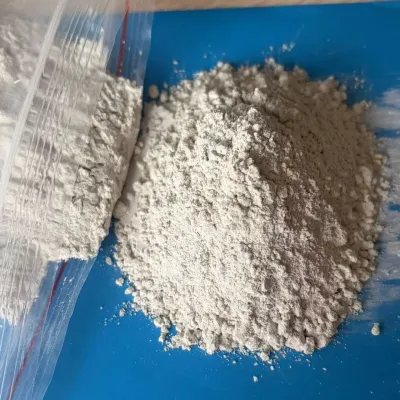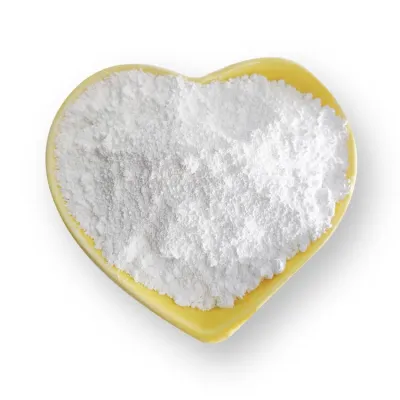
Heavy Superfine Activated Calcium Carbonate CaCO3 Powder, 96% Industrial Grade, 600–3000 Mesh Formulation Models
-
Particle-size designationMesh designationColorWhite
-
Physical formPowder
-
CAS No.471-34-1Purity96%
-
Appearancewhite superfine powerApplicationPaint, Plastic, Rubber, Paper Making, Building
-
ClassificationCarbonateEINECS No.207-439-9
-
Grade StandardIndustrial GradeMolecular FormulaCaCO3
-
Other NamesActivated Calcium CarbonateTypeCalcium Carbonate
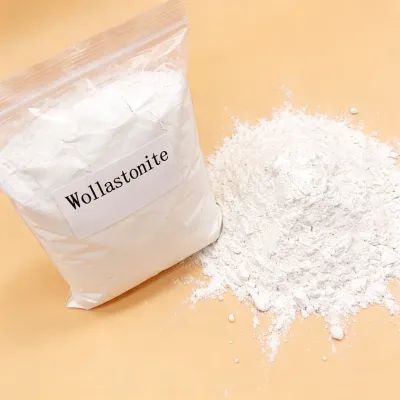
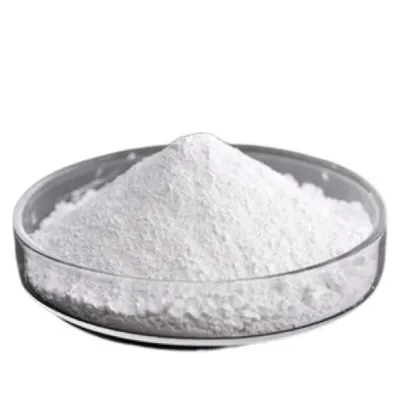
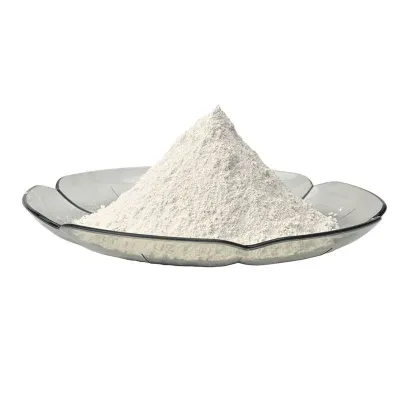
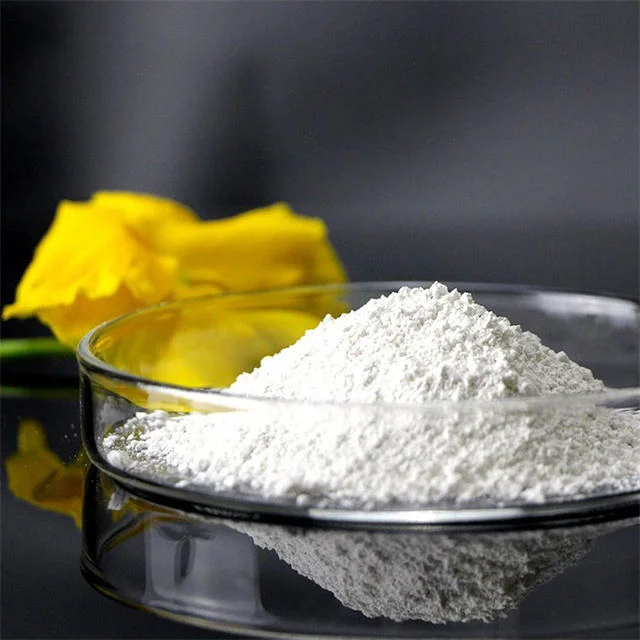
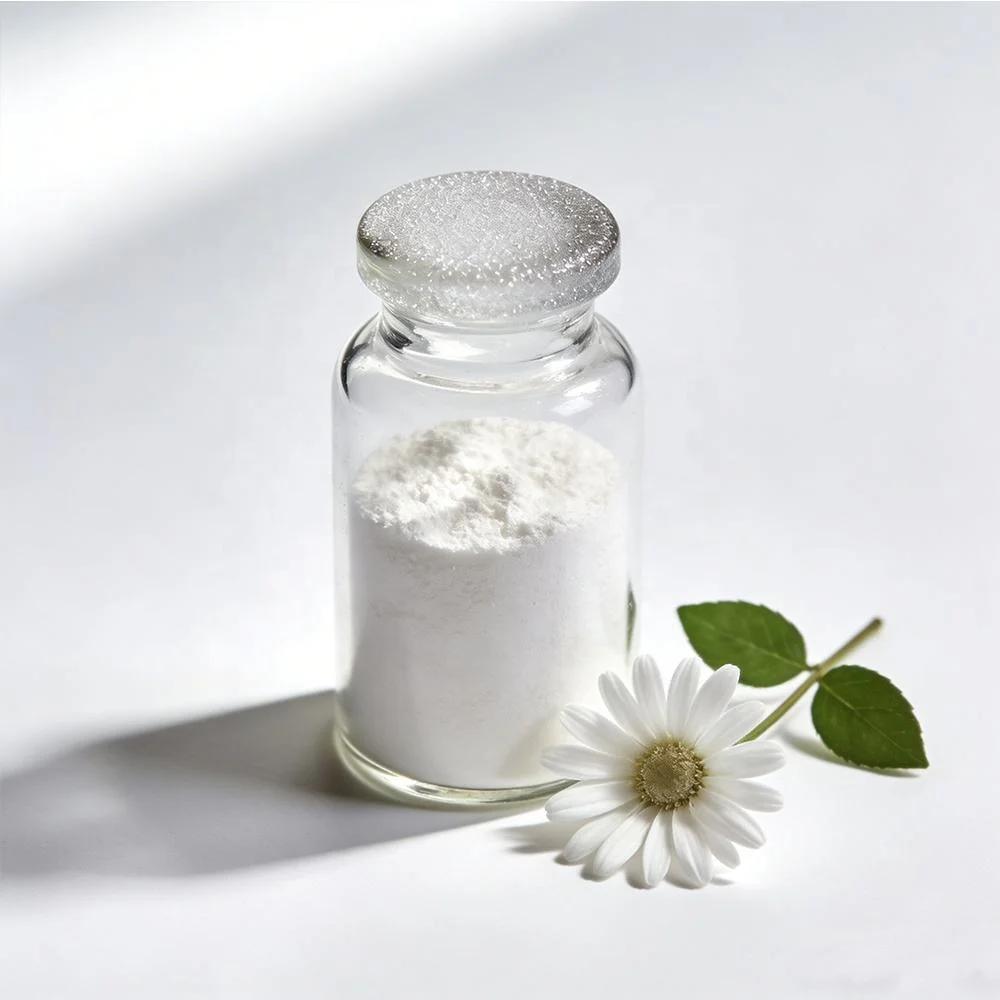
The same calcium carbonate name can lead to different acceptance questions in different formulations. This heavy superfine activated CaCO3 powder is industrial grade and white in appearance, with stated purity of 96%.
Give each intended use its own assessment
Paint, plastic, rubber, papermaking and building are the named application areas. Specify the actual material and the purpose of the powder before deciding which technical measurements or sample tests are relevant.
A coating enquiry may focus on finish criteria, while a polymer enquiry may require processing and finished-compound assessment. These are evaluation questions, and the broad use names do not establish interchangeable performance between systems.
Review the selected mesh as an offered model
The actual labels are 600, 800, 1250, 1500, 2500, 2800 and 3000 Mesh. Confirm the proposed option and request its particle distribution with the method used to measure it.
A mesh designation does not replace a complete particle report. It also does not establish dispersion in a binder, so any such requirement belongs in the actual formulation trial.
Ask for the evidence behind activation and colour
Request a surface-treatment declaration for the offered grade if treatment affects the material choice. The activated name supplies no identified treatment chemical or quantity.
Review moisture, oil absorption and measured whiteness where the application requires them, keeping those reports separate from the 96% assay. Select the powder through current model documents and a relevant sample assessment rather than an assumed universal compatibility or replacement percentage.