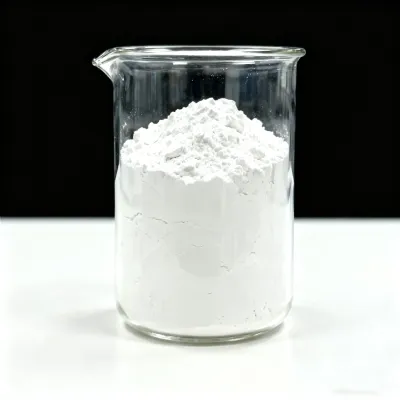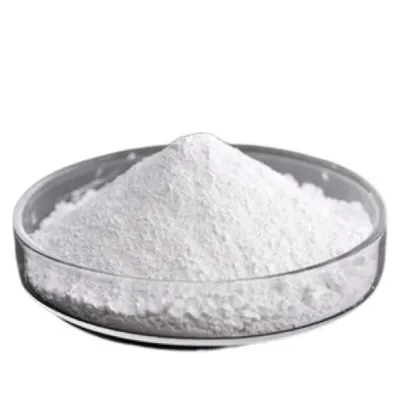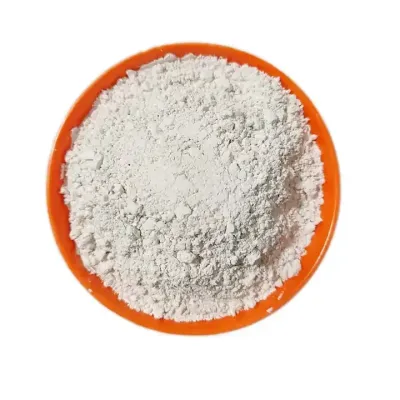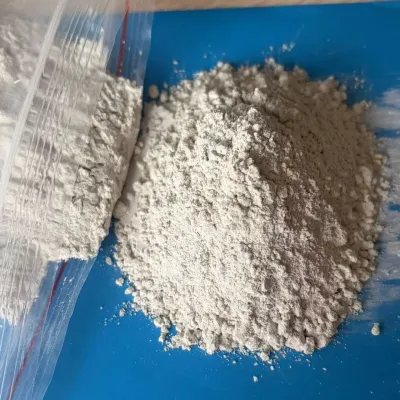
Heavy Superfine Activated Calcium Carbonate Powder CaCO3, 96% Industrial Grade, 600–3000 Mesh Sample Enquiries
-
Particle-size designationMesh designationColorWhite
-
Physical formPowder
-
CAS No.471-34-1Purity96%
-
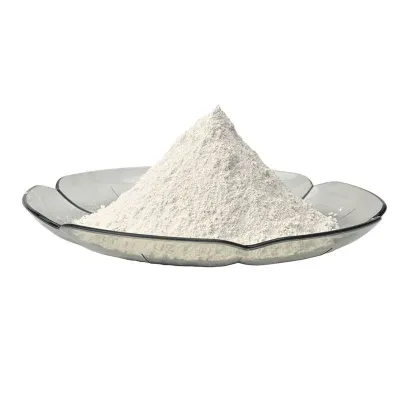
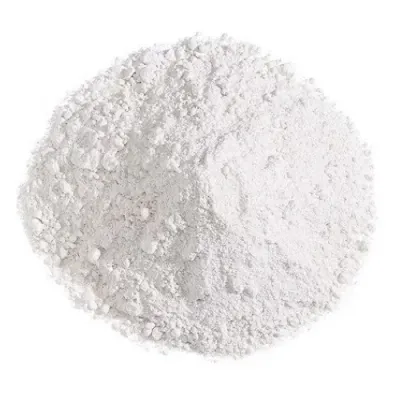
Appearancewhite superfine powerApplicationPaint, Plastic, Rubber, Paper Making, Building
-
ClassificationCarbonateEINECS No.207-439-9
-
Grade StandardIndustrial GradeMolecular FormulaCaCO3
-
Other NamesActivated Calcium CarbonateTypeCalcium Carbonate
Clear sample acceptance criteria make a calcium carbonate enquiry more useful than a mesh preference alone. This heavy superfine activated CaCO3 is white industrial powder, stated at 96% purity and named for several formulation uses.
Separate composition from the particle requirement
Use the 96% purity statement to frame the chemical review and request the current analytical basis. Establish particle acceptance independently, with the distribution and method needed for the intended material.
- Composition review
- Check the selected grade against the required assay and any relevant chemical limits.
- Particle review
- Compare the actual model report with the buyer’s distribution criteria.
Identify the offered mesh and treatment scope
The available labels are 600, 800, 1250, 1500, 2500, 2800 and 3000 Mesh. They are discrete model choices, so confirm the chosen label when requesting a sample and its current documents.
Ask how the activated grade is defined for that model. A treatment declaration is needed to establish chemistry and scope; the name supplies neither a complete coating specification nor an application result.
Judge the powder inside the intended material
Paint, plastic, rubber, papermaking and building are the named enquiry areas. For a paper or building formulation, describe the process and finished-material tests that will determine acceptance.
White appearance does not provide a numerical whiteness result or an optical test method. Retain the relevant physical reports and treatment records with the sample evaluation, and make the model decision against those agreed requirements instead of an assumed performance advantage.