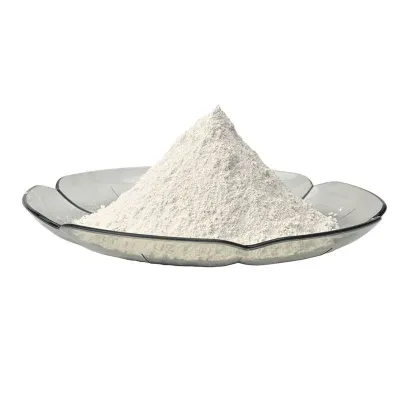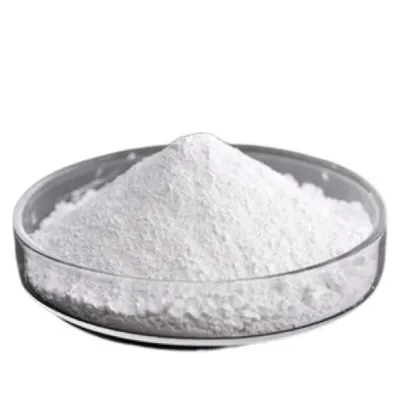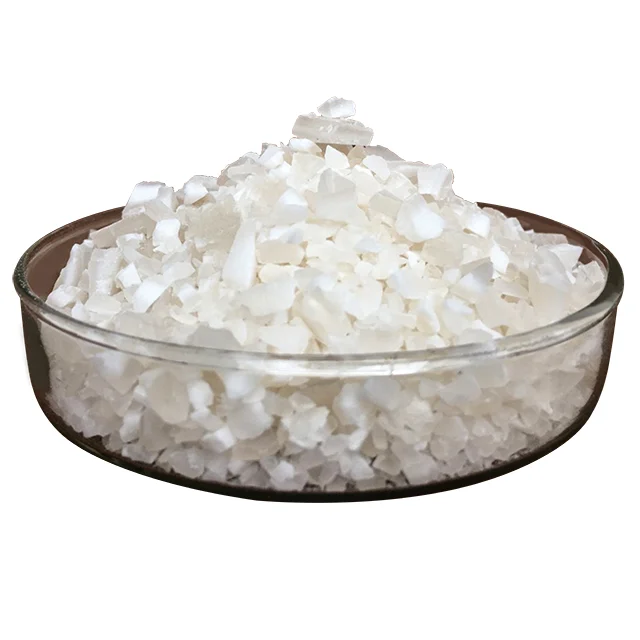
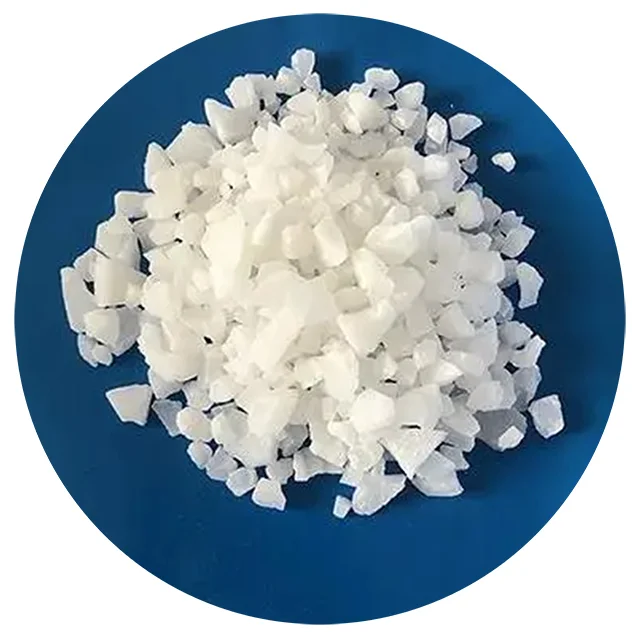
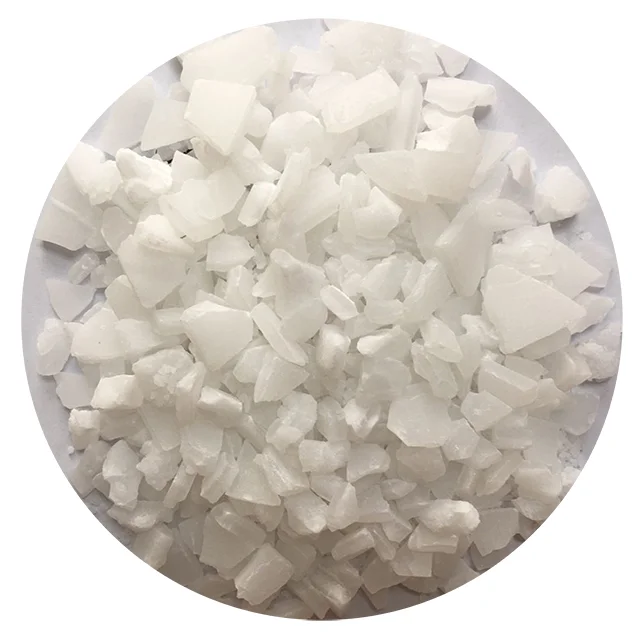
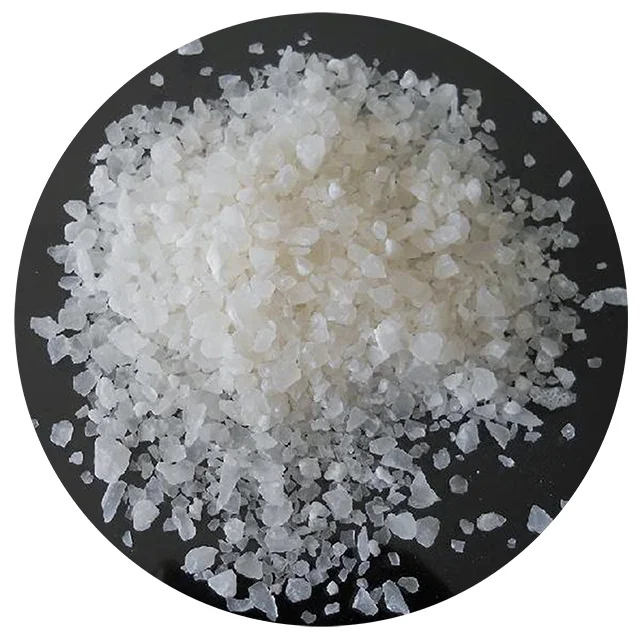
Industrial Aluminium Sulphate White Granules, 16% Minimum Al2O3 Basis for Papermaking and Mordant Enquiries
-
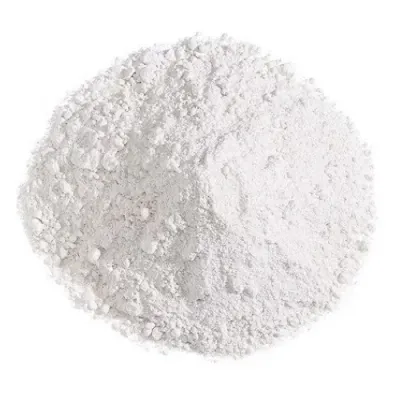
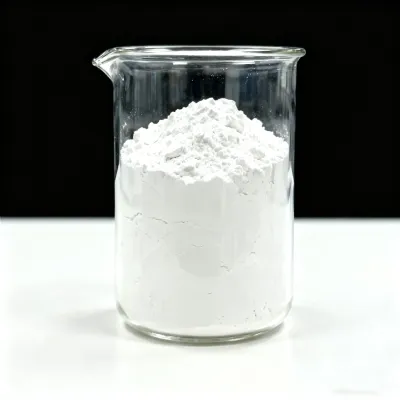
ColorWhitePhysical formGranular
-
CAS No.10043-01-3Purity16%min Al2O3
-
Appearancewhite granuleApplicationpapermaking,mordant
-
ClassificationSulphateEINECS No.233-135-0
-
Grade StandardIndustrial GradeMolecular FormulaAl2O12S3
-
Other NamessulfuricacidTypeAluminum Sulfate
-
Product nameAluminum SulfateCAS10043-01-3
-
Melting point770 °CBoiling point759.71°C
-
Density2.71 g/mL at 25 °C (lit.)Vapor pressure0-0.001Pa at 20-25℃
-
Usagepapermaking,mordantGradeIndustral Grade
-
Package25kg/bagColorWhite Color
The stated minimum for these industrial aluminum sulfate granules is expressed on an Al2O3 basis. That distinction matters when comparing the white granular material for a papermaking or mordant role: the aluminum-oxide figure is not a compound-purity percentage.
Keep the aluminum sulfate assay basis explicit
Obtain a current analysis showing the method and limits applicable to the offered grade. Confirm actual composition, hydration and relevant impurities before treating a general formula or reference property as a complete material specification.
Define the papermaking ingredient function
Describe the intended process role and the paper or process results required for acceptance. An application direction alone does not establish an addition rate or a guaranteed improvement in a finished-paper property.
- Match current analysis, technical information and safety records to the actual granules.
- Agree granule or preparation criteria relevant to the proposed operation.
- Request representative results against the project's defined acceptance requirements.
Assess the mordant application on its own evidence
Identify the substrate, actual ingredient function and appropriate acceptance tests for the intended mordant use. No colour-fastness result follows from the salt name, and evidence from papermaking should not be transferred into that claim.
Resolve thermal-event definitions and grade-specific measurement methods before adopting reference physical entries. Keep any water-use qualification separate from these listed industrial directions, and complete the material comparison using confirmed analytical basis and representative results for the application actually being considered.