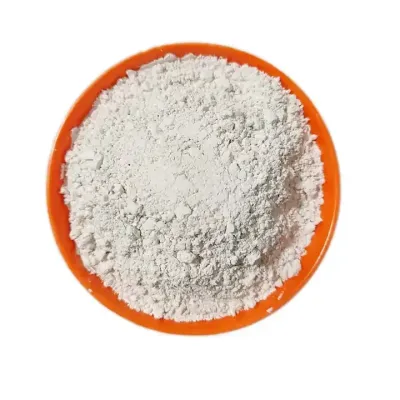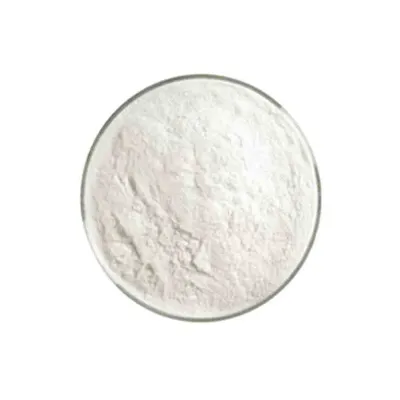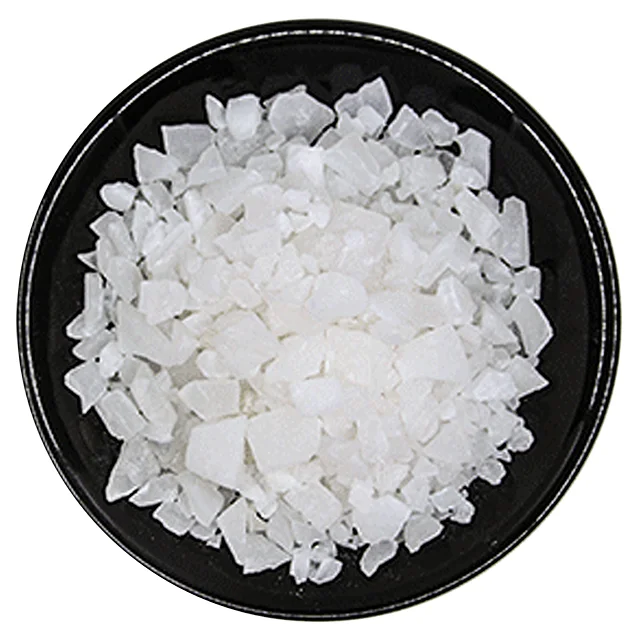
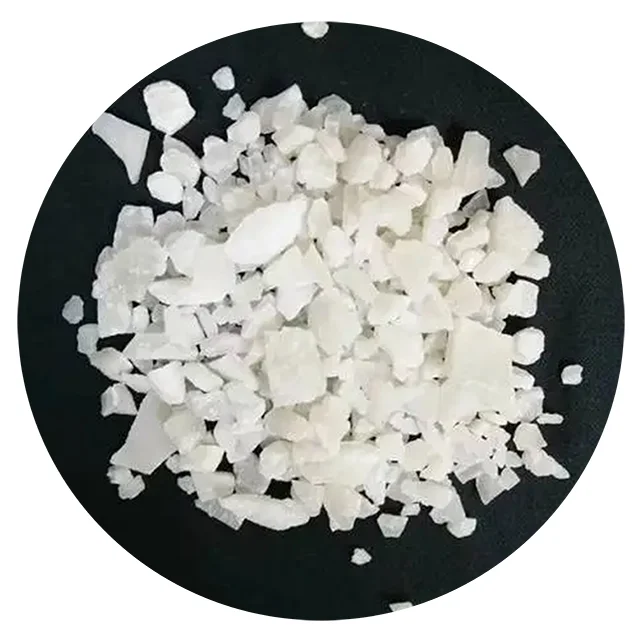
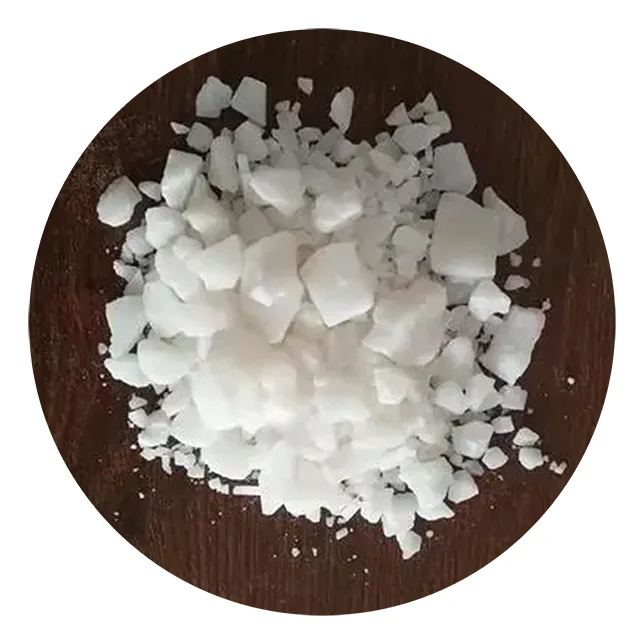
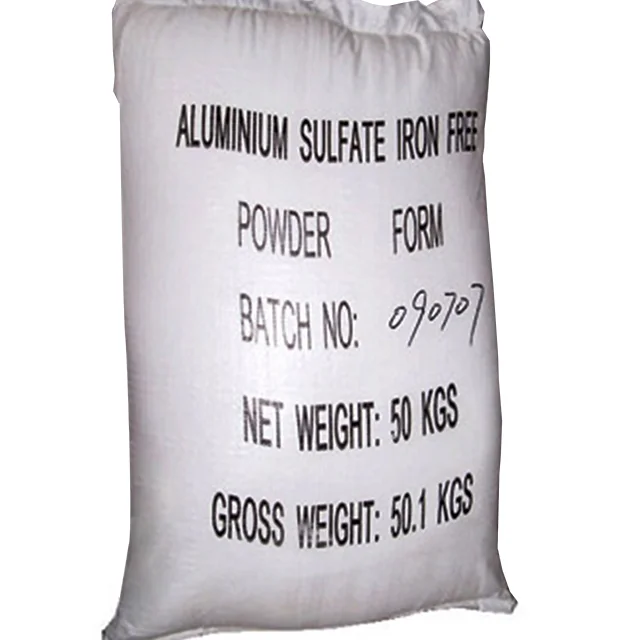
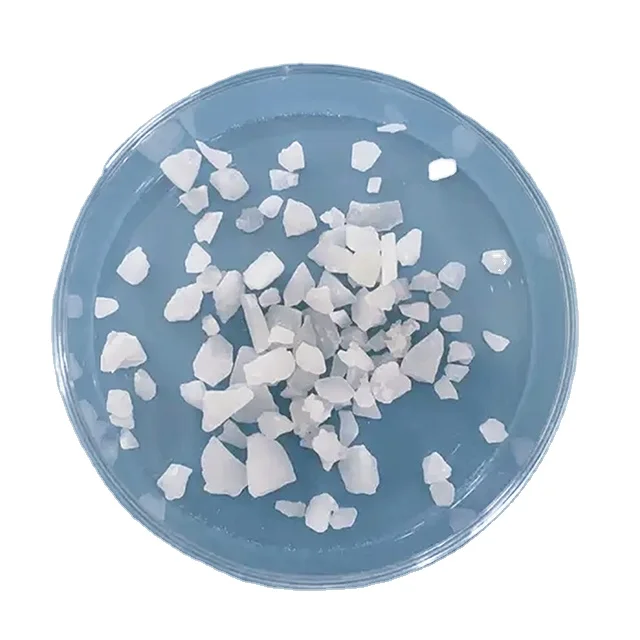
Industrial Aluminum Sulfate Al2(SO4)3 Granules, 16% Minimum Al2O3 Content, for Papermaking and Mordant Assessment
-
ColorWhitePhysical formGranular
-
CAS No.10043-01-3Al2O3 Content16% min
-
Appearancewhite granuleApplicationpapermaking,mordant
-
ClassificationSulphateEINECS No.233-135-0
-
Grade StandardIndustrial GradeMolecular FormulaAl2(SO4)3
-
TypeAluminum Sulfate
-
Product nameAluminum SulfateCAS10043-01-3
-
Boiling point759.71°CMelting point770 °C
-
Density2.71 g/mL at 25 °C (lit.)Vapor pressure0-0.001Pa at 20-25℃
-
Usagepapermaking,mordantGradeIndustral Grade
-
Package25kg/bagColorWhite Color
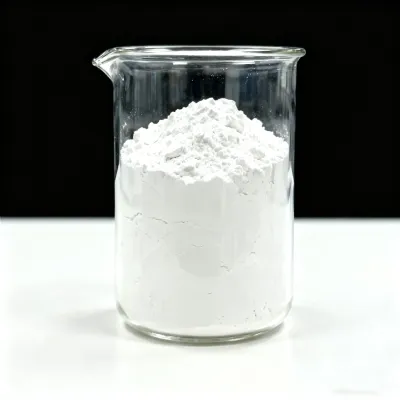
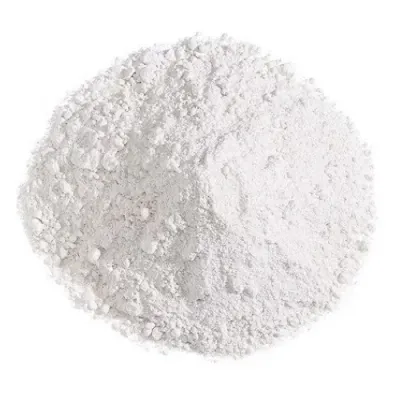
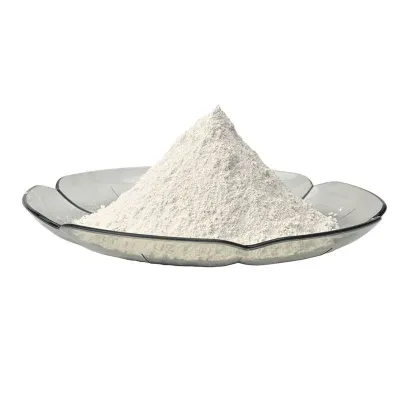
The aluminum-content basis is central to this granulated aluminum sulfate enquiry. The material is identified as industrial Al2(SO4)3, described as white granules and stated at 16% minimum Al2O3 content for papermaking and mordant assessment.
Build acceptance around the Al2O3 content measurement
The minimum value concerns Al2O3 content, rather than the purity of the complete aluminum sulfate compound. Ask for current analysis defining the reporting method and basis, together with the individual impurities that matter to the proposed material duty.
Establish actual hydration and the granular form
The chemical formula does not establish the hydration state of the offered product. Confirm that state and request the granular measurements required by the project, linking the analytical record to the material proposed for testing.
- Content acceptance
- Al2O3 reporting basis, current result and application-relevant impurity limits.
- Material acceptance
- Actual hydration, supplied granular form and the measurements needed for the intended duty.
Qualify the proposed papermaking or mordant application
Describe the actual process role and the observations used to judge an appropriate sample trial. The application directions do not establish a dose, operating temperature or finished-process result, so acceptance should use evidence relevant to that duty.
A literature density of 2.71 g/mL at 25 °C is listed as a material descriptor, without proving the actual hydrate or bulk density of the granules. Review current safety documentation and retain the hydrate confirmation, component analysis and application observations together before approving the material for the project.