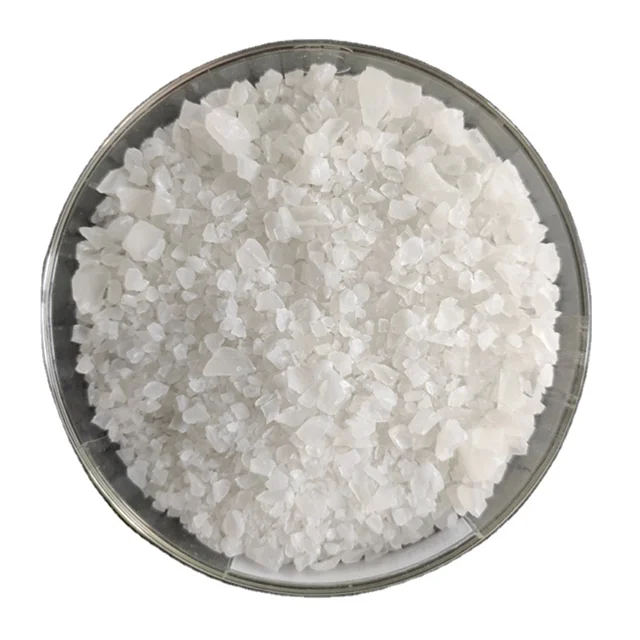
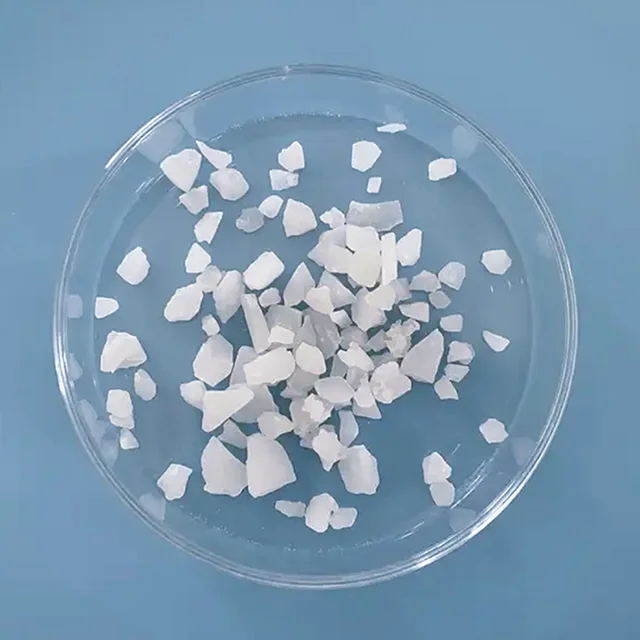
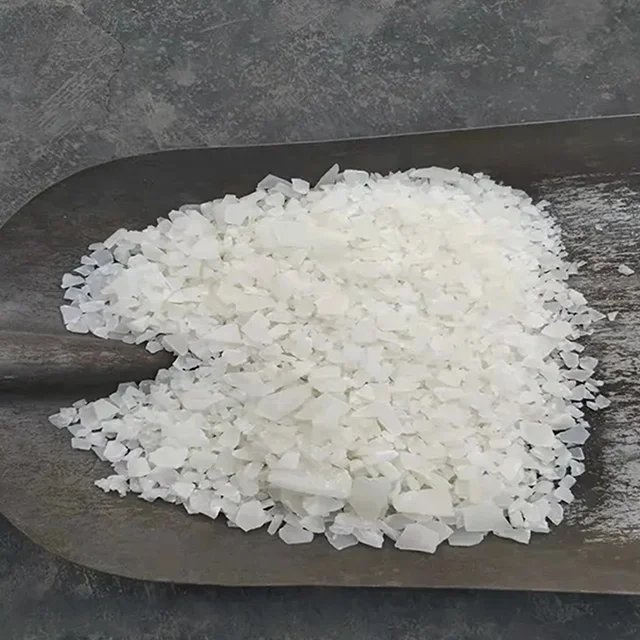
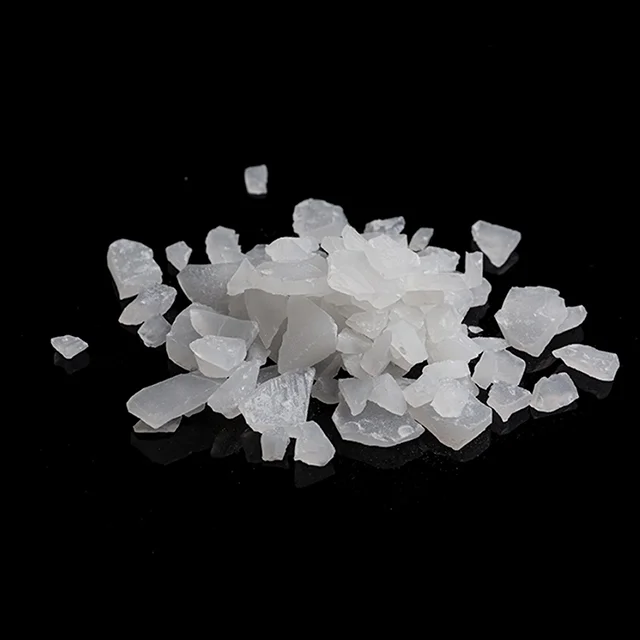
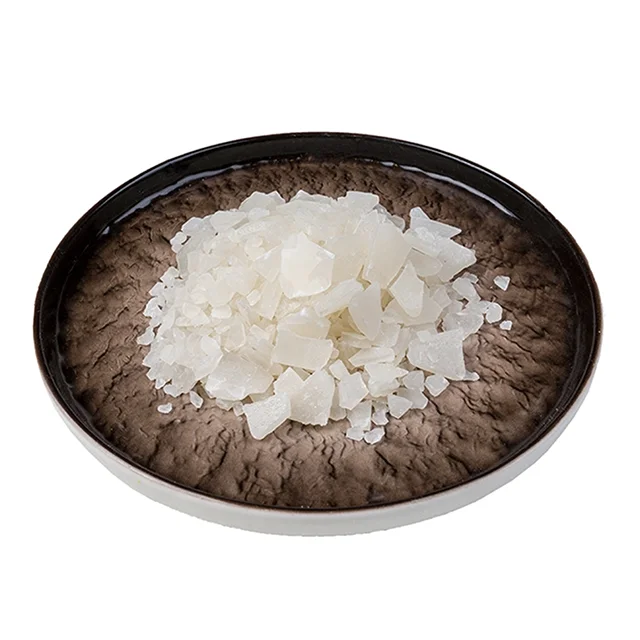
Industrial Aluminum Sulfate White Granules, 16% Minimum Al2O3, for Papermaking and Mordant Evaluation
-
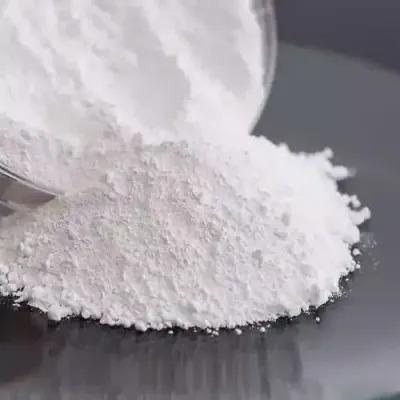
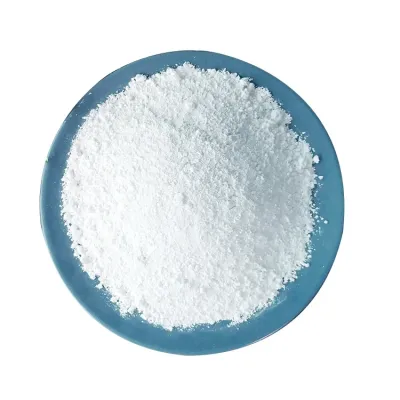
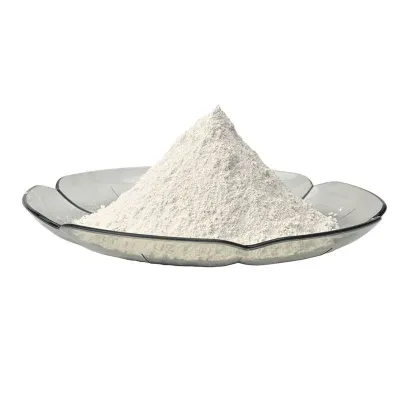
ColorWhitePhysical formGranular
-
CAS No.10043-01-3Purity16%min Al2O3
-
Appearancewhite granuleApplicationpapermaking,mordant
-
ClassificationSulphateEINECS No.233-135-0
-
Grade StandardIndustrial GradeMolecular FormulaAl2O12S3
-
Other NamessulfuricacidTypeAluminum Sulfate
-
Product nameAluminum SulfateCAS10043-01-3
-
Melting point770 °CBoiling point759.71°C
-
Density2.71 g/mL at 25 °C (lit.)Vapor pressure0-0.001Pa at 20-25℃
-
Usagepapermaking,mordantGradeIndustral Grade
-
Package25kg/bagColorWhite Color
Aluminum sulfate comparison starts with the component being measured: this industrial white granular material is stated at 16% minimum Al2O3. Its formula designation is Al2O12S3, and the application directions are papermaking and mordant use.
Read the aluminum content on its stated Al2O3 basis
The minimum figure refers to Al2O3 content rather than the purity of the complete aluminum sulfate compound. Request current analysis with its reporting method and the impurity limits needed by the intended application, so comparisons use the same analytical basis.
Evaluate granules for the actual papermaking or mordant duty
Describe where the material will be used and which observations determine acceptance. Confirm the actual grade, hydration and relevant granule measurements, then assess an appropriate sample against the proposed papermaking or mordant requirements.
- Specify the material acceptance criteria for the intended application.
- Review Al2O3 analysis, required impurities and actual granular form.
- Record relevant sample-test results against those criteria.
Keep the literature density in its proper context
The listed density is 2.71 g/mL at 25 °C, labelled as a literature value. It is not a bulk-density measurement for the supplied granules and should not be used to infer powder-handling behaviour without the appropriate test.
Obtain current safety documentation and technical records for the offered aluminum sulfate grade before application approval. The papermaking and mordant directions do not establish a water-treatment result, while the actual grade analysis and relevant process observations provide the evidence needed for a focused material decision.