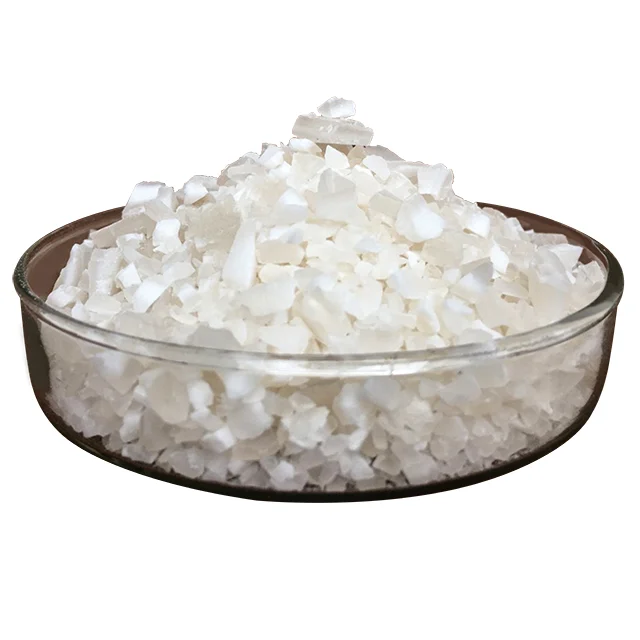
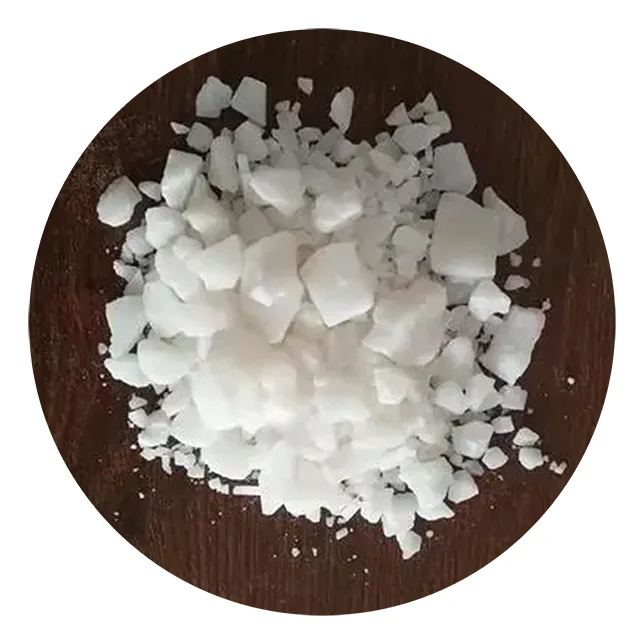
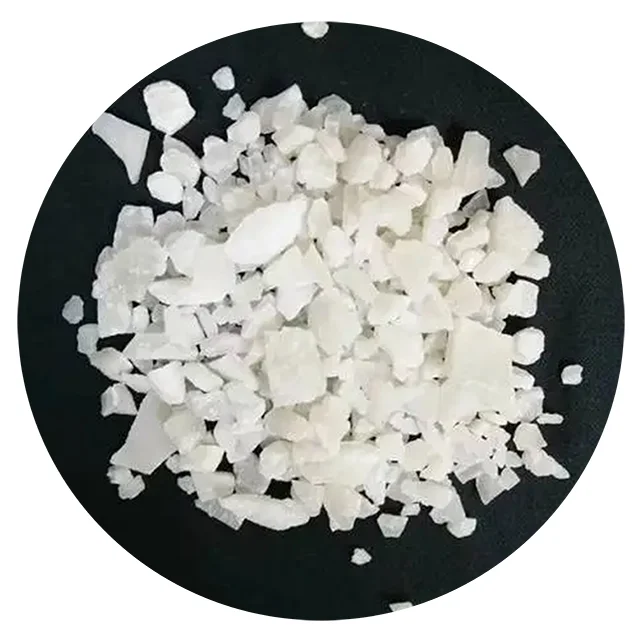
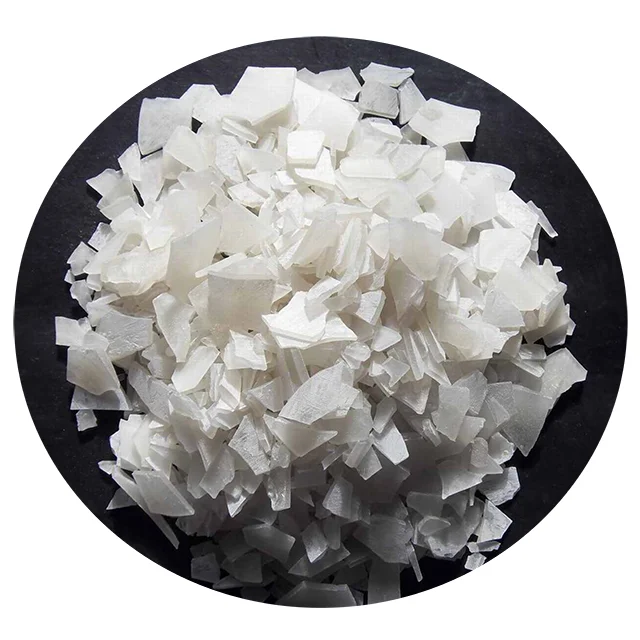
Industrial Aluminum Sulfate White Granules for Mordant, Papermaking and Purification Enquiries, 16% Min Al2O3
-
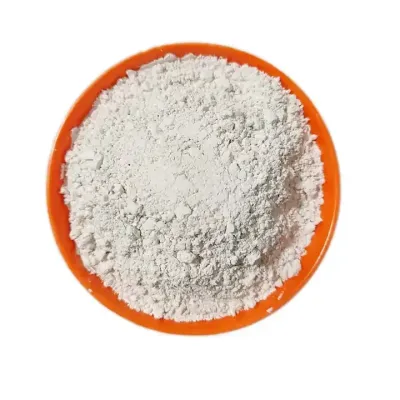
ColorWhitePhysical formGranular
-
CAS No.10043-01-3Purity16%min Al2O3
-
Appearancewhite granuleApplicationpapermaking,mordant
-
ClassificationSulphateEINECS No.233-135-0
-
Grade StandardIndustrial GradeMolecular FormulaAl2O12S3
-
Other NamessulfuricacidTypeAluminum Sulfate
-
Product nameAluminum SulfateCAS10043-01-3
-
Melting point770 °CBoiling point759.71°C
-
Density2.71 g/mL at 25 °C (lit.)Vapor pressure0-0.001Pa at 20-25℃
-
Usagepapermaking,mordantGradeIndustral Grade
-
Package25kg/bagColorWhite Color
For a mordant application, start by explaining the substrate and the result you need the process to achieve. This industrial aluminum sulfate is described as white granules, with papermaking and purification also named as enquiry contexts.
Write the mordant requirement around the process
Ask which current evidence is available for the proposed duty and which sample should be assessed. The industrial grade describes the material category, while acceptance still depends on the actual substrate, preparation and process conditions.
Agree the comparison measurements before evaluating an alternative grade. That keeps a material choice tied to the intended result rather than to a chemical name alone.
Distinguish granular appearance from composition
The stated formula is Al2O12S3, and the content designation is 16% minimum Al2O3. Preserve the oxide basis when reviewing analytical documents; it is not a statement of total aluminum sulfate purity.
What should a useful grade comparison include?
Request current Al2O3 assay and relevant impurity results alongside the granule description. Obtain the preparation information applicable to the process without assuming a dissolution rate or an operating recipe from the white appearance.
Assess papermaking and purification on their targets
A papermaking trial should address the particular duty and acceptance criteria you specify. A purification enquiry also needs a defined stream and target before treatment suitability can be judged.
Neither the granular form nor the minimum oxide content establishes a dose, a guaranteed outcome or potable-water approval. Where physical behaviour affects the choice, request the relevant measurement conditions and reports, then consider them together with the intended-process trial results.