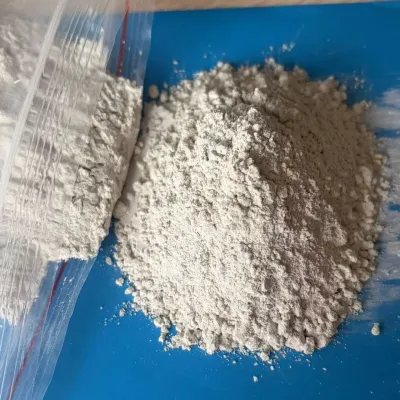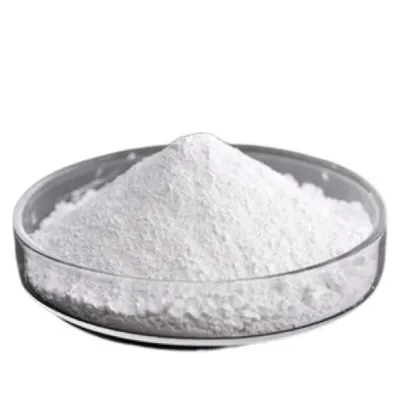
Industrial Ammonium Dihydrogen Phosphate White Crystals, 98% Min, for Fertilizer Grade Enquiries
-
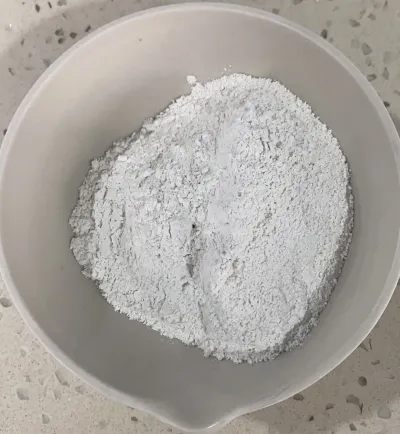
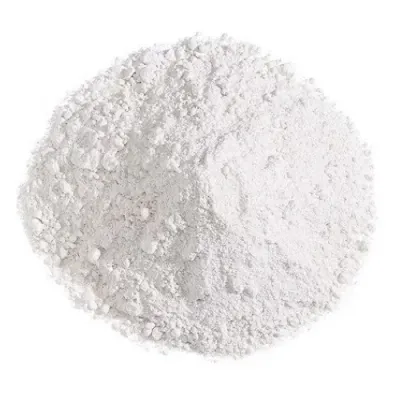
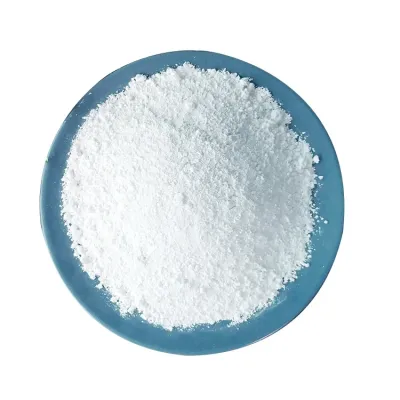
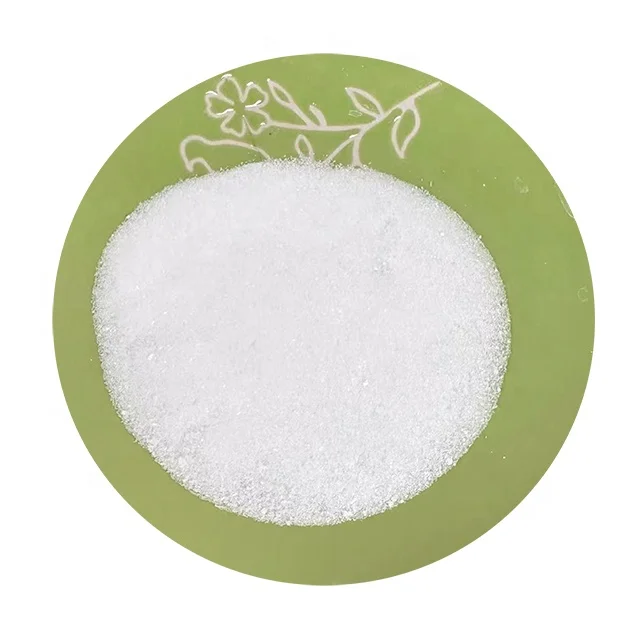
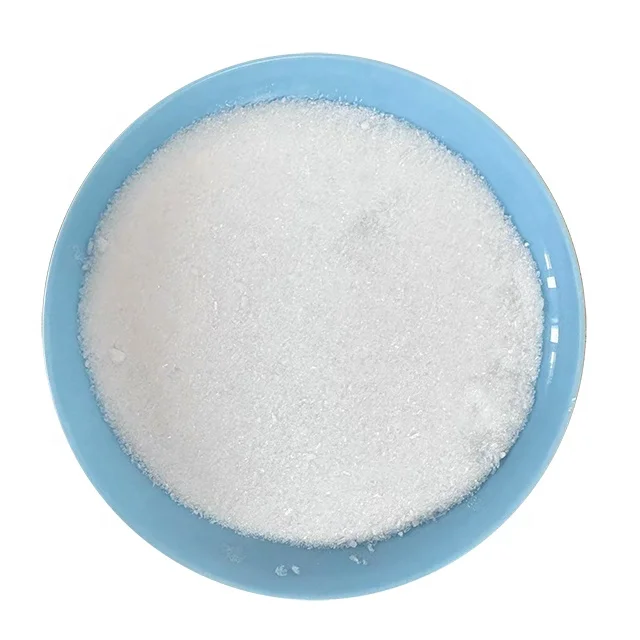
ColorWhitePhysical formCrystalline
-
CAS No.7722-76-1Purity98%min
-
Appearancewhite crystal, white crystalApplicationgranular fertilizer
-
ClassificationPhosphateEINECS No.231-764-5
-
Grade StandardAgriculture Grade, Industrial GradeMolecular FormulaH6NO4P
-
Other NamesAmmonium Hydrogen Monohydric PhosphateTypeAmmonium dihydrogen phosphate
-
Product NameAmmonium dihydrogen phosphateMelting point190 °C (dec.) (lit.)
-
Boiling point87.4 °Cdensity1.02 g/mL at 20 °C
-
CAS7722-76-1GradeIndusturial Grade
-
Brand NameReliaHS code31054000.00
-
Package25kg/bag
Choosing ammonium dihydrogen phosphate for a fertilizer enquiry requires more than a compound-purity figure. This industrial material is described as white crystals with stated formula H6NO4P and minimum purity of 98%.
Separate phosphate purity from nutrient analysis
Ask for the current assay certificate and the nutrient results required by the intended fertilizer duty. Keep the reporting basis clear rather than treating the minimum compound purity as a complete nitrogen or phosphate nutrient specification.
Relevant impurities should also be identified in the material requirement. Request those results for the actual sample without calculating an offered-grade nutrient analysis from the formula alone.
Clarify the crystal and granular-fertilizer scope
Granular fertilizer is the named application context, while the supplied appearance is described as white crystals. Confirm the offered material form and the particle or preparation information needed by the proposed duty.
- For material comparison
- Review identity, compound assay and the required nutrient/impurity records.
- For the proposed duty
- Define the physical form and acceptance tests that the application requires.
Use the phosphate within a documented program
Obtain applicable use guidance and identify the crop and soil context before making an application decision. Industrial identity and a fertilizer label do not establish a crop response or an application schedule.
If thermal behaviour or density affects selection, request a current report that identifies the sample state and method. Keep any preparation or process decision tied to that evidence; the formula and minimum assay do not supply a thermal recipe or a finished fertilizer performance guarantee.