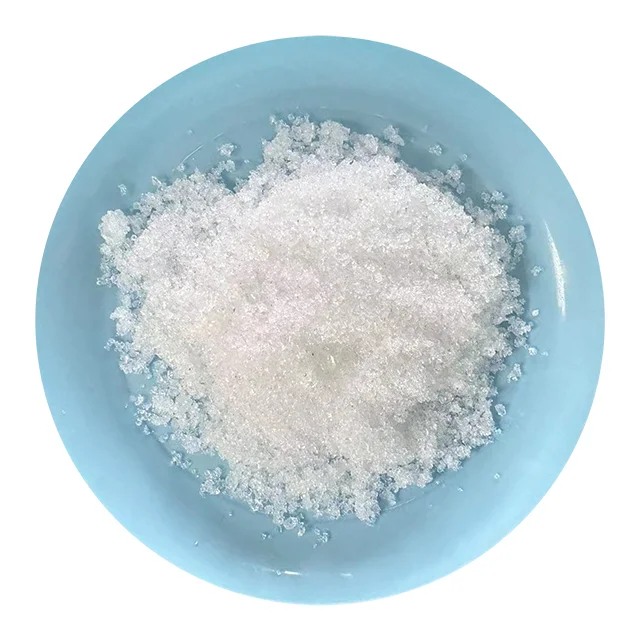
Industrial Ammonium Sulfate H8N2O4S White Crystals 99.5%, CAS 7783-20-2, for Chemical-Grade Enquiries
-
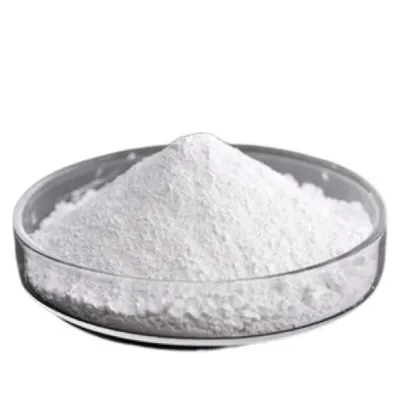
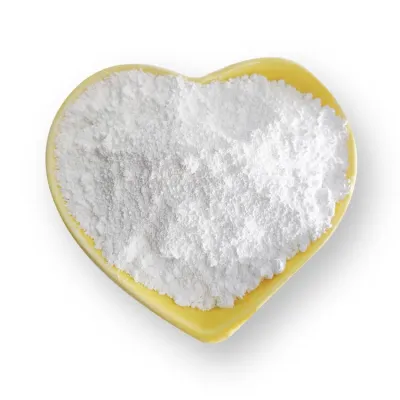
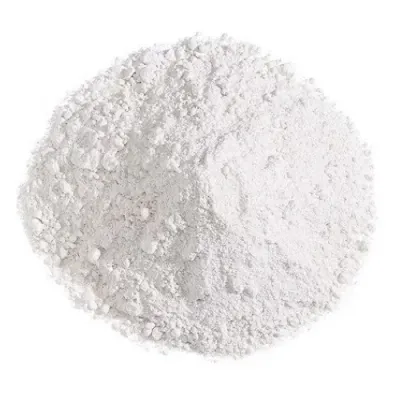
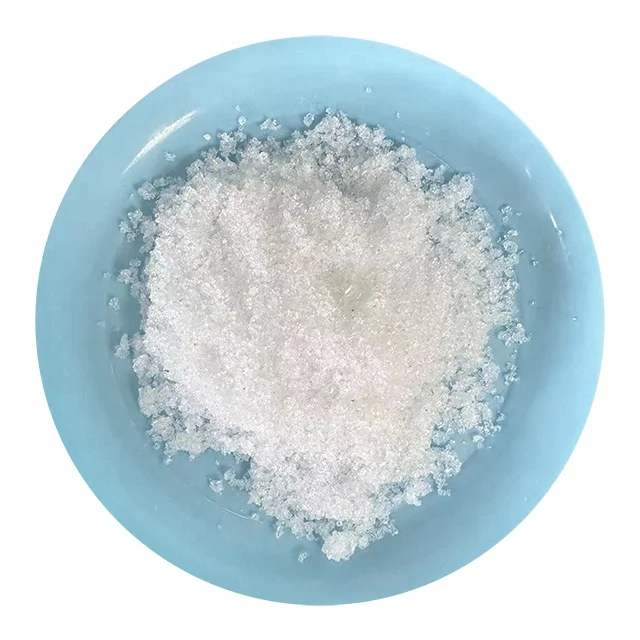
ColorWhitePhysical formCrystalline
-
CAS No.7783-20-2Purity99.5%
-
AppearanceWhite crystalApplicationfertilizer
-
ClassificationSulphateEINECS No.231-984-1
-
Grade StandardIndustrial GradeMolecular FormulaH8N2O4S
-
Other NamesactamasterTypeAmmonium Sulphate
-
Product nameAmmonium SulphateMelting point>280 °C (dec.) (lit.)
-
density1.77 g/mL at 25 °C (lit.)vapor pressure<1 Pa (25 °C)
-
Fp26 °CGradeIndustral Grade
-
UsagefertilizerPackage25kg/bag
-
ColorwhiteCAS7783-20-2
Documented grade comparisons should identify the actual ammonium-sulfate material and the measurements needed for acceptance. This industrial salt is stated as H8N2O4S, also named ammonium sulphate, and described as white crystals with purity 99.5%.
Ask which current records identify the offered grade
Request analysis linked to the material being considered, including assay, moisture and the individual impurities required by the project. The purity figure is useful starting information, while a complete grade comparison needs the buyer’s actual chemical and crystal limits.
Distinguish current measurements from literature descriptors
The stated literature density is 1.77g/mL at 25°C, with decomposition described above 280°C. Vapor pressure is reported below 1Pa at 25°C; confirm the methods and reporting scope rather than treating these descriptors as bulk density or operating instructions.
- Identify the actual offered grade on current analysis.
- Compare the required chemical and physical measurements with accepted limits.
- Review relevant qualification for the intended fertilizer material requirement.
Make the fertilizer decision depend on actual requirements
Fertilizer is the stated application direction, without a crop rate or performance result established here. Define the actual material and use criteria, then assess appropriate sample evidence instead of assuming suitability from the general sulfate name.
Obtain current technical and safety information alongside the analytical record. Identify the actual fertilizer duty and the measurements used to accept the sample, then compare the current grade reports and relevant qualification with those requirements before deciding whether to proceed.