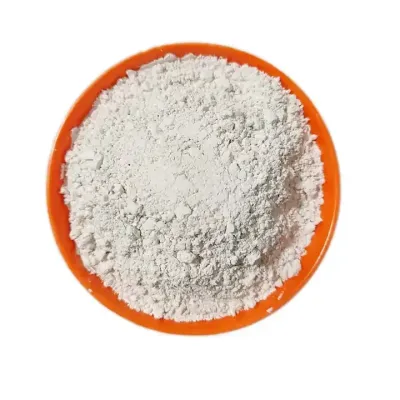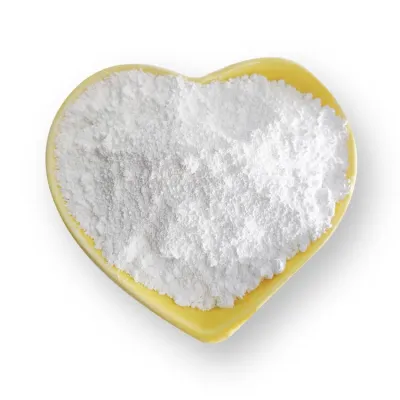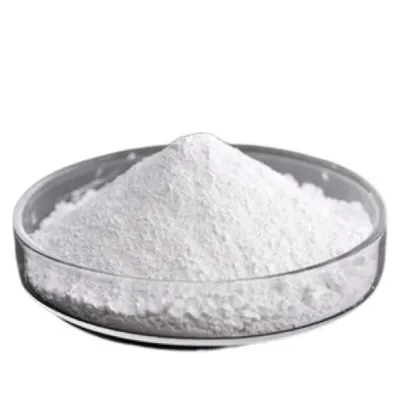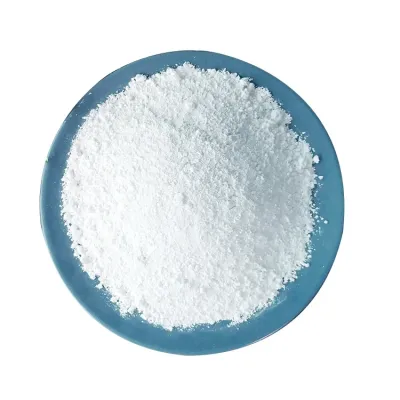
Industrial CaO Quicklime White Powder ≥95% for Steelmaking and Chemical Material Evaluation
-
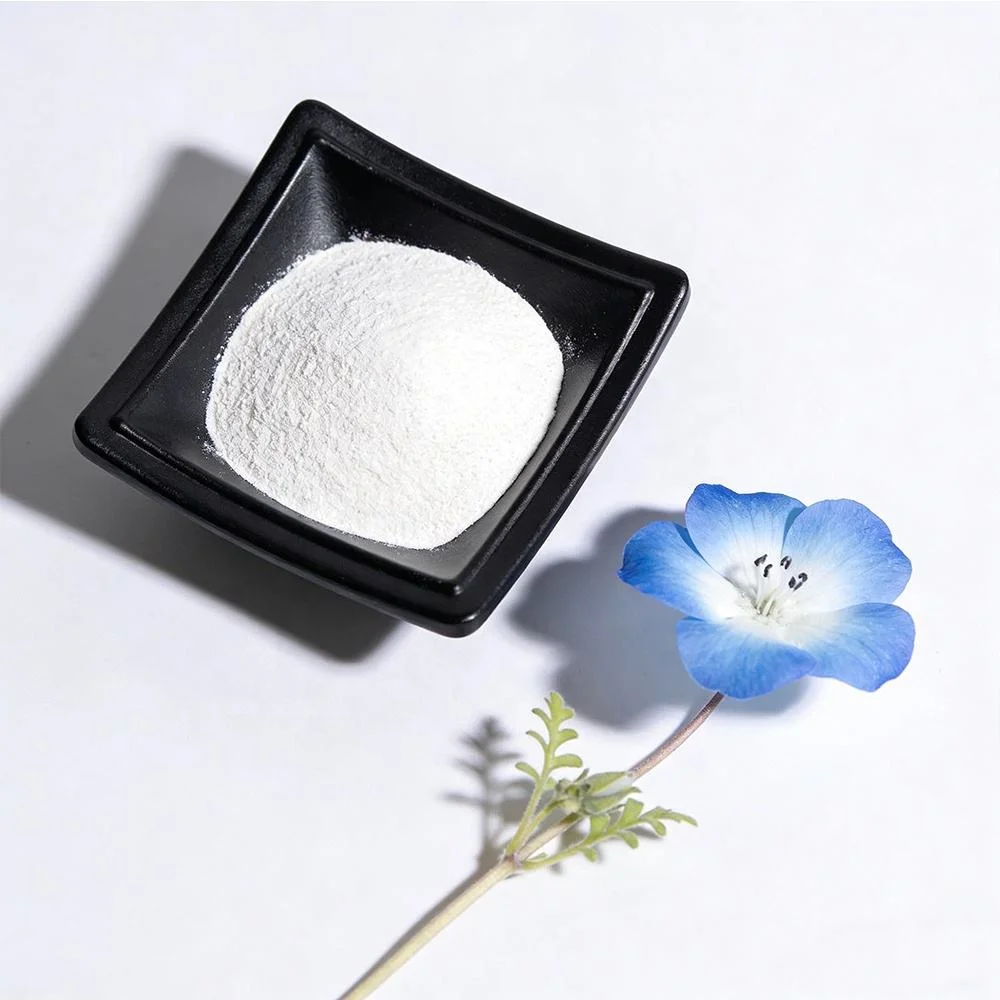
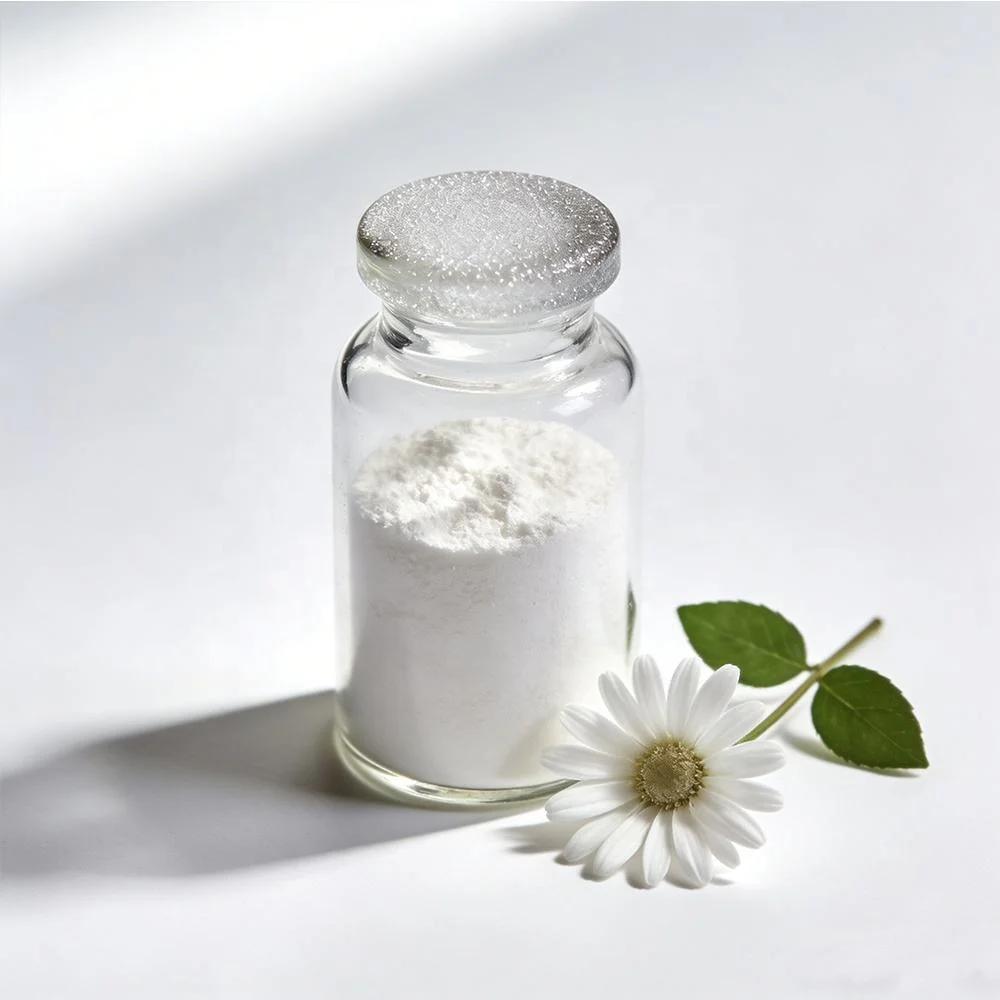
ColorWhitePhysical formPowder
-
CAS No.1305-78-8Purity>=95%
-
Appearancewhite powderApplicationSteel making & Chemical Industry and so on
-
ClassificationCalcium OxideEINECS No.215-138-9
-
Grade StandardIndustrial GradeMolecular FormulaCao
-
Other NamesQuicklime, Unslaked Lime, Burnt LimeOxide TypeMetal Oxides
Acceptance questions help turn a quicklime enquiry into a material assessment. This industrial calcium oxide CaO is white quicklime powder with stated purity ≥95%, for steelmaking and chemical-process evaluation against the requirements of the intended operation.
Does the chemical report answer the plant's limits?
Request a current assay and relevant impurity data for the proposed sample. Keep the ≥95% purity as a minimum, distinct from the measured composition. Compare the complete report with the required chemical limits rather than selecting only by the overall assay threshold.
Does the physical report define the required powder?
Obtain particle or sieve measurements with their method if grading matters to acceptance. Powder form does not set a mesh fraction. White appearance is also qualitative; a numerical whiteness requirement needs a separate measured result.
Can the activity result be interpreted consistently?
Ask which quantity, conditions and endpoint support the 420ml designation and obtain the complete procedure. A high-reactivity description alone is not a verified rate or sufficient evidence that results from different methods are comparable.
- Confirm the actual material reference across reports.
- Agree the plant's chemical and physical criteria.
- Retain the activity method with the result used for comparison.
Review current technical and safety documentation and plan a representative steelmaking or chemical assessment. Keep the conditions and observations with the tested sample identity. No universal operating recipe or guaranteed process outcome is established by the purity minimum and activity label alone.