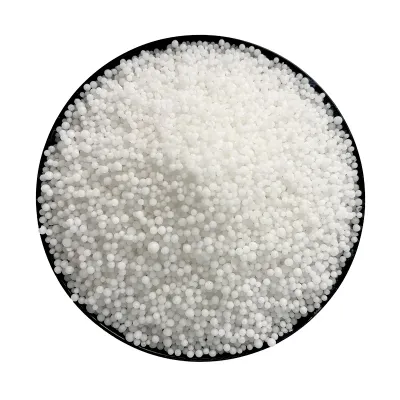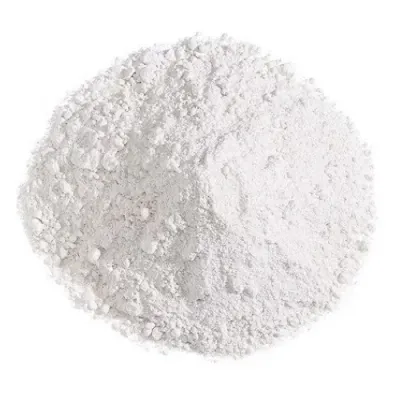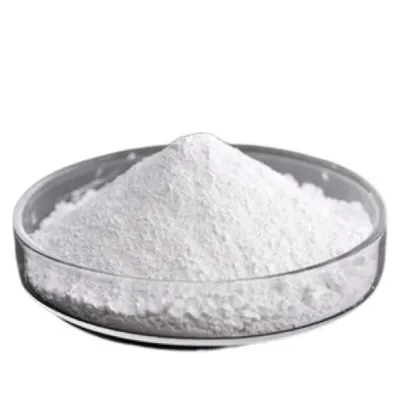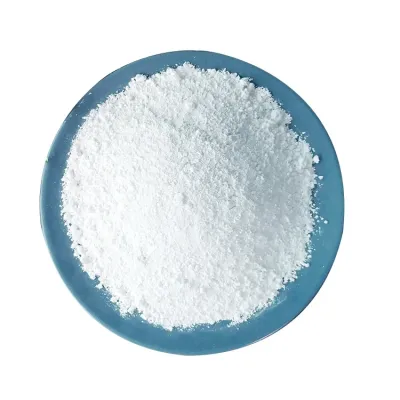
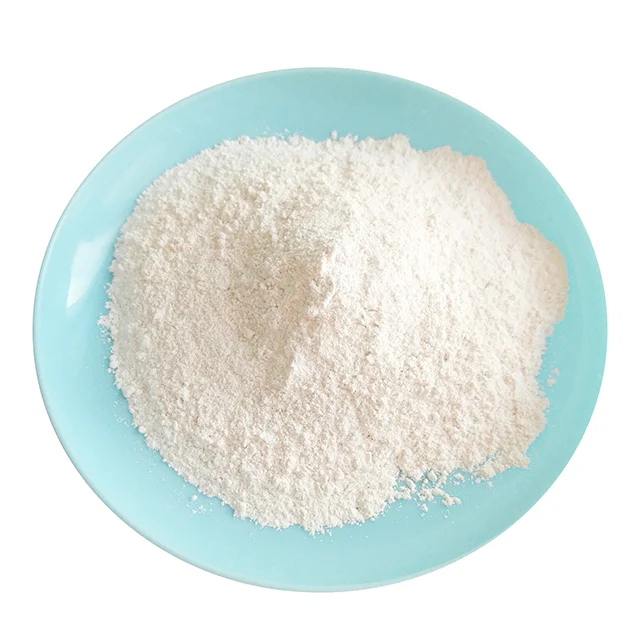
Industrial Magnesium Carbonate MgCO3 White Powder, CAS 546-93-0, for Material-Specification Enquiries
-
ColorWhitePhysical formPowder
-
CAS No.546-93-0Purityfirst grade
-
AppearanceWhite powderClassificationCarbonate
-
EINECS No.208-915-9Grade StandardIndustrial Grade
-
Molecular FormulaMgCO3TypeMagnesium Carbonate
-
CAS546-93-0Density2.958 g/cm³
-
Melting PointDecomposes above 350°C (662°F)SolubilityInsoluble in water
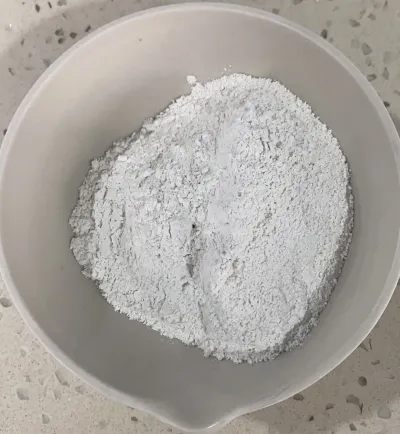
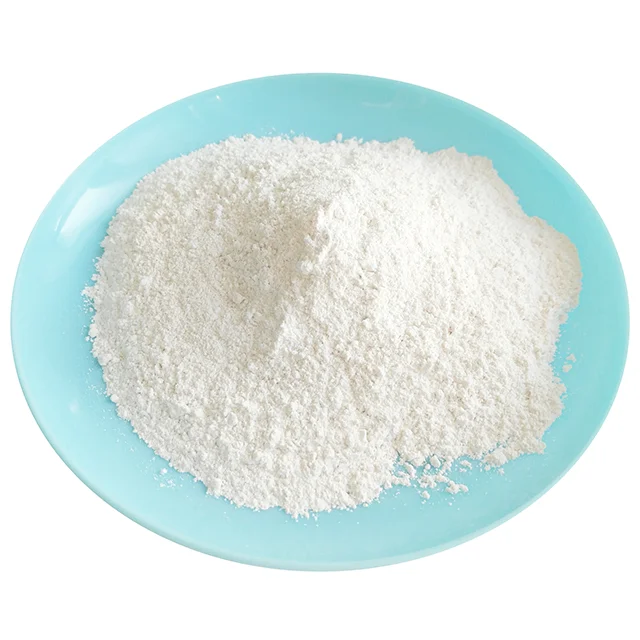
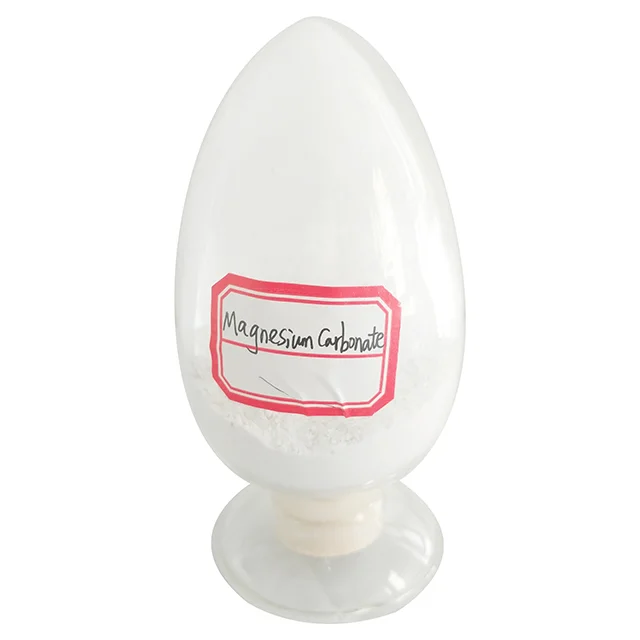
A first-grade label becomes useful when the buyer knows the standard and measurements behind it. This industrial magnesium carbonate is stated as MgCO3, described as white powder and insoluble in water, with density of 2.958g/cm³.
Ask what defines the offered first-grade material
Request the applicable grade standard and its accepted chemical limits. The first-grade designation does not supply a numerical purity percentage, so current assay and individual impurity results are needed before comparing the material with a purchasing specification.
Specify the actual powder measurements required
Identify relevant moisture and particle requirements for the project and request method-defined results. White-powder appearance and density do not establish a particle distribution or flow property, while the density itself is not stated as bulk density.
- Grade record
- The standard, current numerical analysis and individual acceptance limits.
- Use record
- The named application and relevant sample-trial evidence against the project’s criteria.
Define the application before making a use decision
A generic industrial designation does not identify a particular process or establish compatibility. Describe the material duty and accepted observations, then obtain relevant qualification rather than borrowing a use or purity figure from another magnesium-carbonate grade.
The reported thermal descriptor is decomposition above 350°C (662°F), rather than a processing instruction. Request current safety and technical information and appropriate sample records for the actual offered material. Keep the defined grade and process criteria with the current measurements so acceptance rests on evidence rather than a grade label alone.