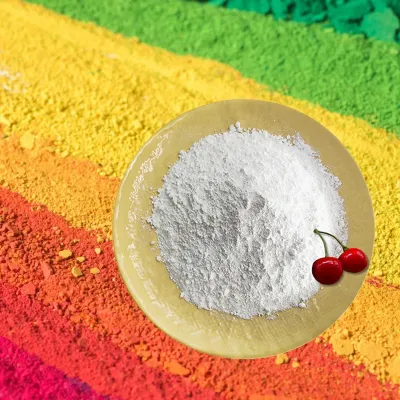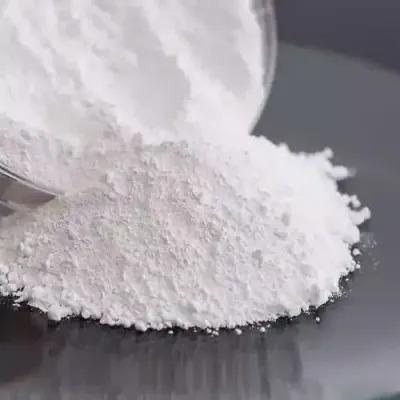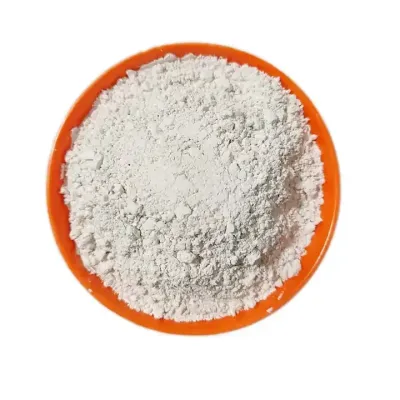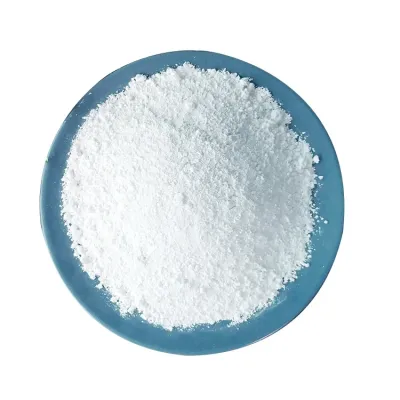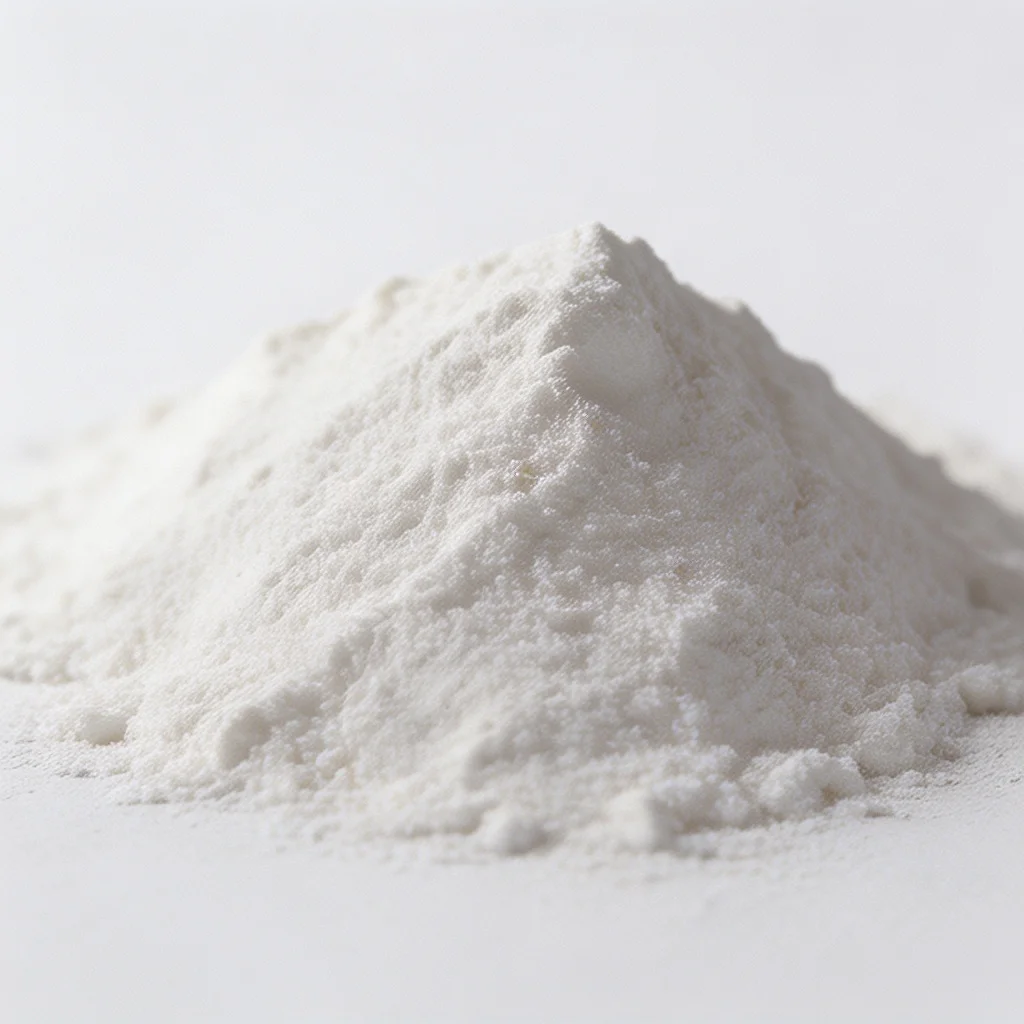

Industrial Natural Barium Sulfate Barite White Fine Powder ≥85% BaSO4 for Superfine-Grade Enquiries
-
ColorWhitePhysical formPowder
-
CAS No.7727-43-43-7PurityBaSO4 ≥85.0%
-
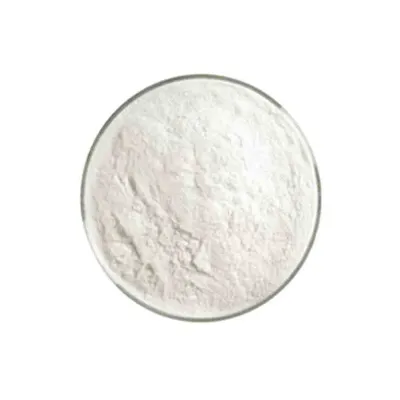
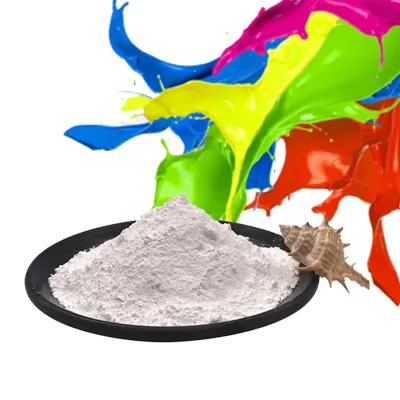
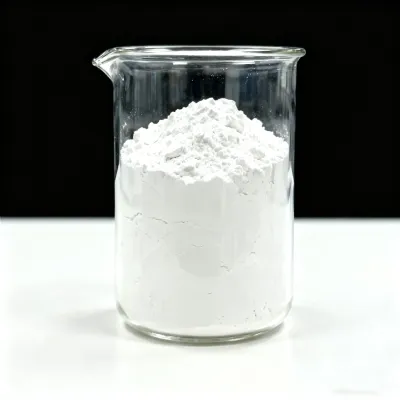
AppearanceWhite Fine PowderApplicationPaint, Ink, Plastic, Rubber, Powder Coating
-
ClassificationSulphateEINECS No.231-784-4
-
Grade StandardIndustrial GradeMolecular FormulaBaSO4
-
Other NamesBarite Powder, Heavy SparTypeBarium Sulfate
Three linked decisions guide a natural-barite assessment: chemical acceptance, physical grading and qualification in the actual system. This industrial barium sulfate BaSO4 is described as white fine powder with stated BaSO4 ≥85.0%, for paint, ink, plastic, rubber and powder-coating evaluation.
First define the chemical acceptance question
Request current BaSO4 and relevant impurity analysis for the offered sample. The content minimum is a threshold rather than an exact composition. Confirm the material's identification in matched technical, analysis and safety documents and retain its grade reference.
Then define the physical comparison
Obtain particle-distribution or sieve results with the measurement method. Fine or superfine wording does not establish a numerical size or mesh fraction. Where numerical whiteness matters, request an appropriate optical report; a white appearance alone is descriptive.
- Measured evidence
- Connect the chemical and physical reports to the same material.
- Additional properties
- Request density and surface-treatment evidence independently if relevant to acceptance.
Finally assess the grade in the intended formulation
Describe the actual paint, ink or compound and agree representative evaluation conditions. Assess other named uses independently rather than assuming equivalent finished-product behaviour. Retain the sample identity, criteria and observations with the report set.
No measured dispersion, gloss, opacity or loading ratio is established by the natural-barite name, minimum BaSO4 content or superfine description. Use actual system results for the material decision rather than assuming a universal formulation outcome.