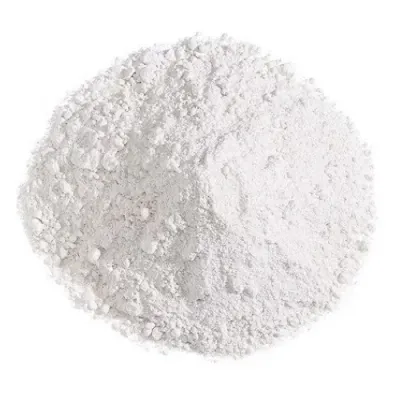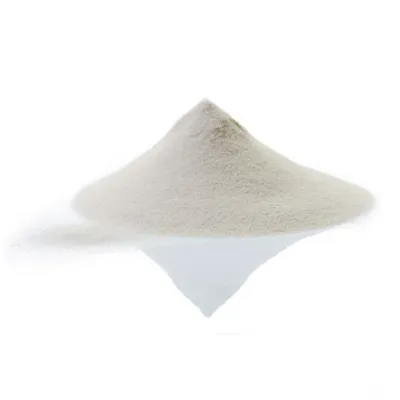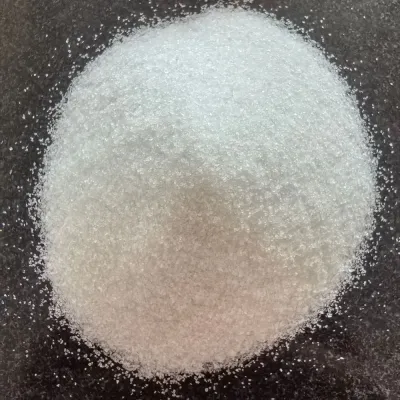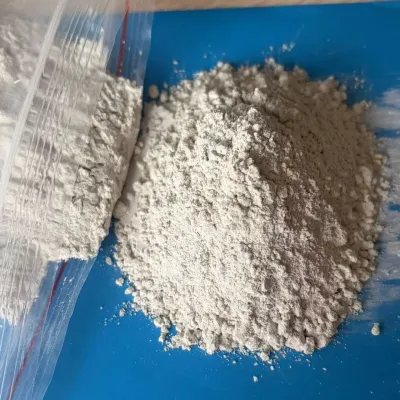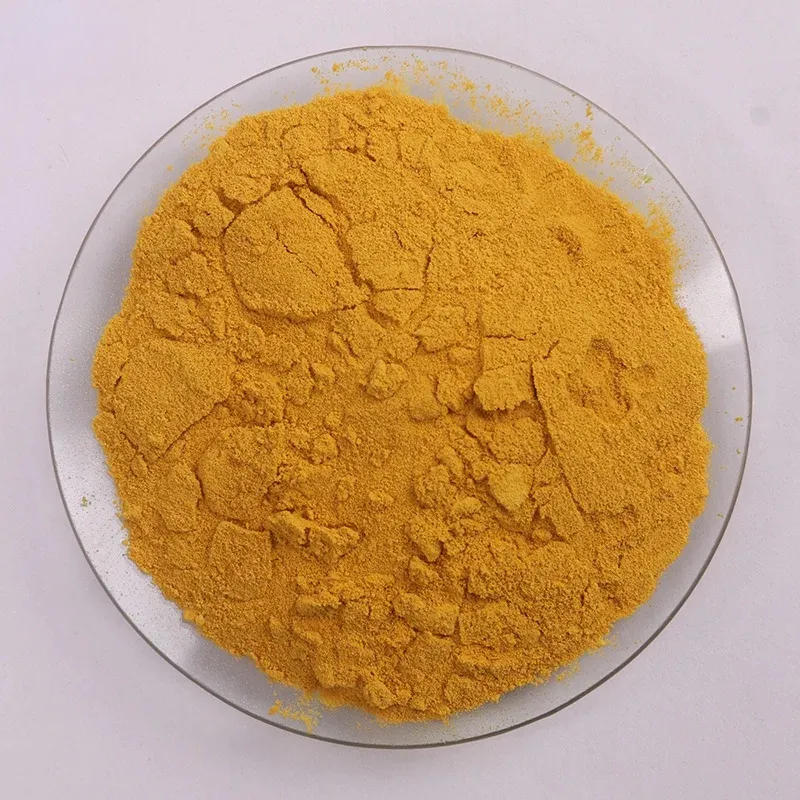
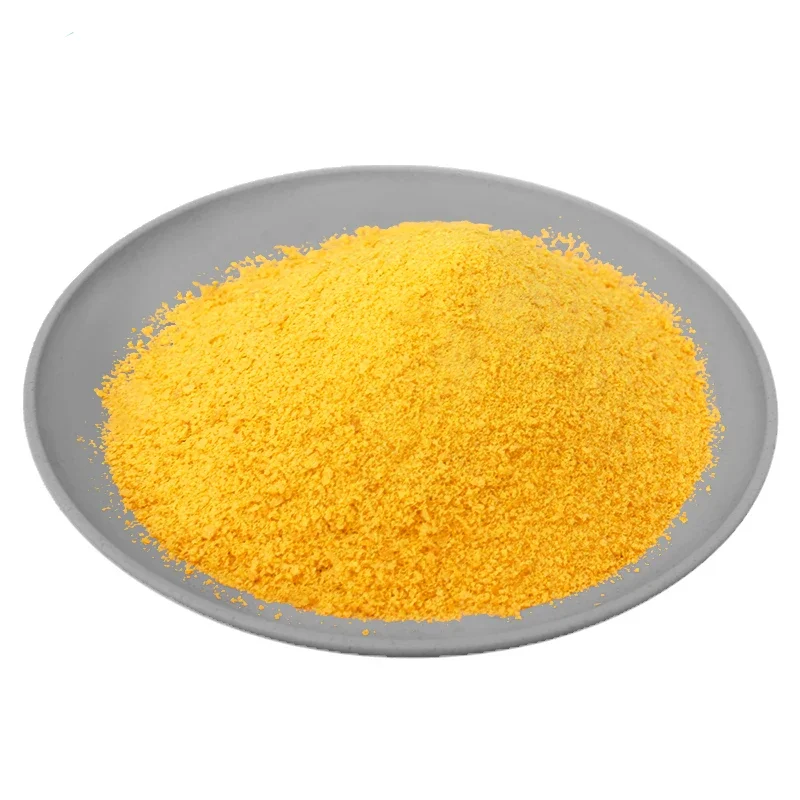
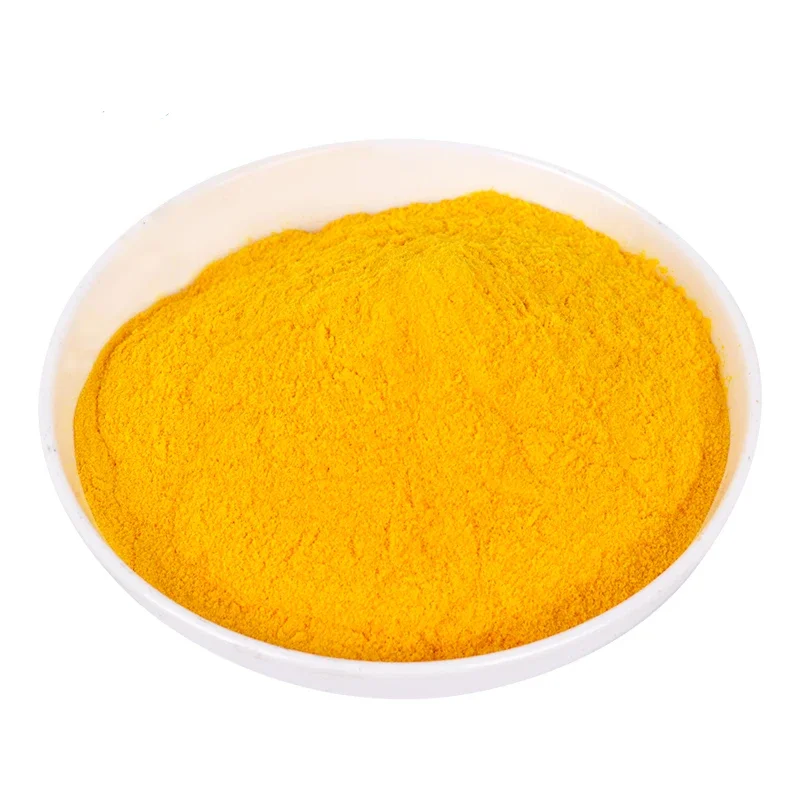
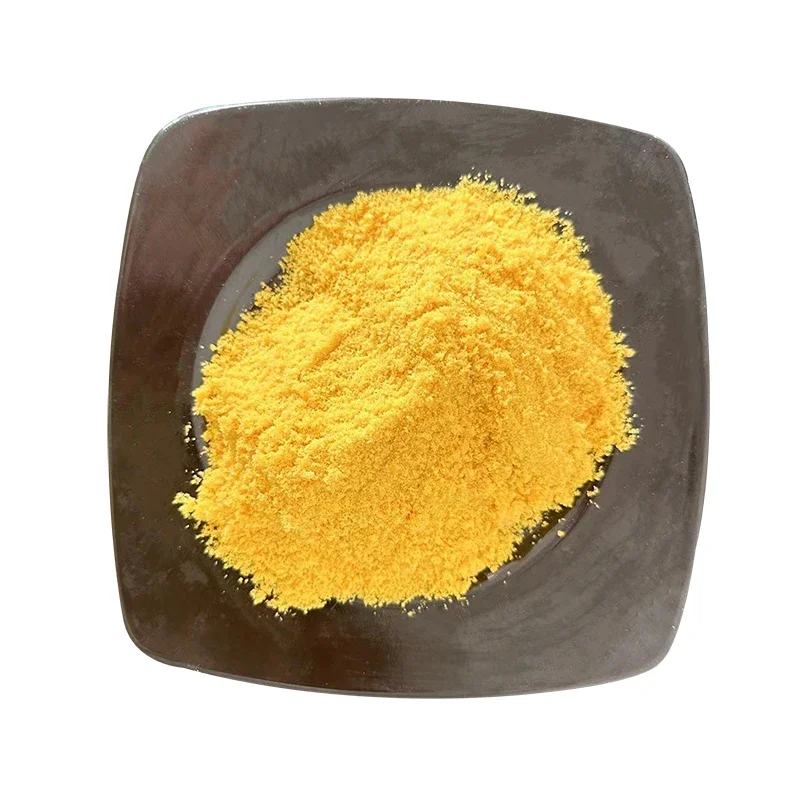
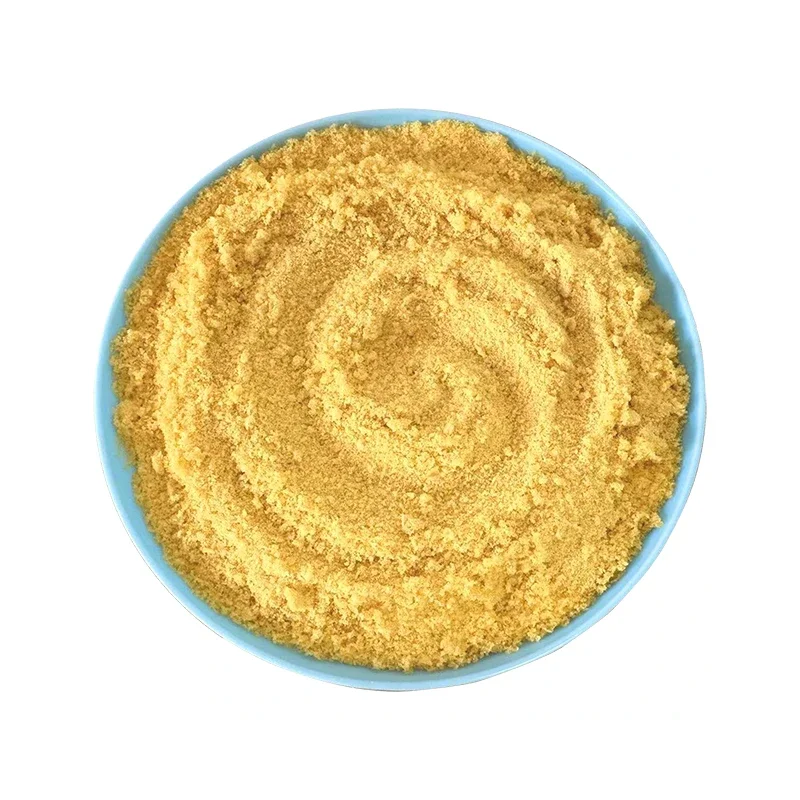
Industrial Polyaluminium Chloride PAC Powder for Mining and Chemical Wastewater Trials, Al2O3 28% or 30%
-
ColorYellowPhysical formPowder
-
CAS No.1327-41-9Purity28%-30%
-
pH Value3.5-5.0Adsorbent VarietyOther
-
EINECS No.215-477-2Molecular Formula[Al2(OH)nCl6-n]m
-
StatePowderWater Treatment ScenarioWastewater Treatment
-
Product TypeFlocculant / CoagulantDosage5-30 mg/L
-
Effective Concentration (%)28%-30%Ionic TypeCATIONIC
-
Product NamePolyaluminium Chloride (PAC)TypeWater Treatment Chemical
-
AppearanceYellow Powder, Light Yellow PowderActive Ingredient ContentAl2O3 28% / 30%
-
Grade StandardIndustrial Grade Drinking Water GradeBasicityAl2O3 ≥28% / ≥30%
-
ApplicationWater Treatment,Wastewater Treatment,Drinking Water PurificationPacking25kg Bag / 1000kg Jumbo Bag
-
SampleAvailableStorageStore in Cool, Dry and Well-Ventilated Place
Mining and chemical wastewater enquiries should describe their water streams separately before a coagulant is compared. This industrial PAC is a cationic yellow or light-yellow powder, with stated Al2O3 content of 28% or 30%, for a defined effluent-treatment assessment.
Describe the mining-water acceptance question
Provide representative water information and identify the measurements that determine treatment acceptance. The mining application direction does not establish removal of a named contaminant, a universal dose or a result for every water composition.
Specify the chemical-effluent trial independently
Explain the actual chemical effluent and its accepted outcome rather than transferring conditions from a different stream. Request the offered PAC grade, current Al2O3 content, measured basicity and relevant impurity results before designing a representative comparison.
- Water evidence
- Actual influent characteristics and the required treatment measurements.
- Material evidence
- Grade-specific composition, basicity and product-test methods.
Interpret product pH within its test method
The stated product pH is 3.5–5.0, but its concentration and measurement method require confirmation. This value is not a wastewater operating window; treatment conditions should follow an actual jar test and the acceptance requirements for the selected stream.
Samples are available for an enquiry, with terms, accompanying analysis and current storage documentation to be agreed. An industrial wastewater direction also does not establish potable-water suitability. Include the actual stream and material requirements in the technical exchange so the evaluation rests on measured evidence rather than an assumed dosing rule or contaminant-removal guarantee.