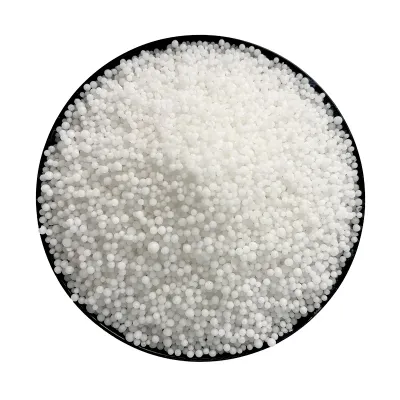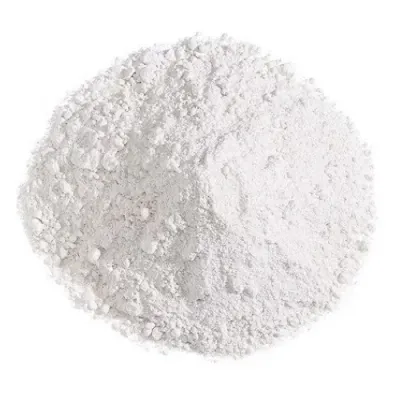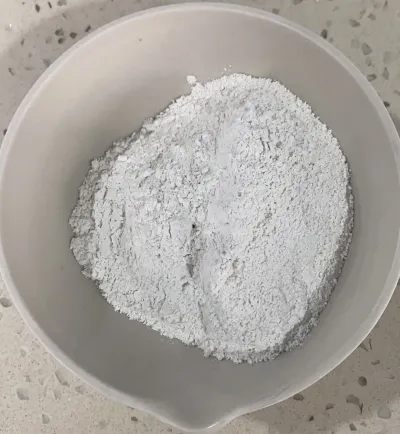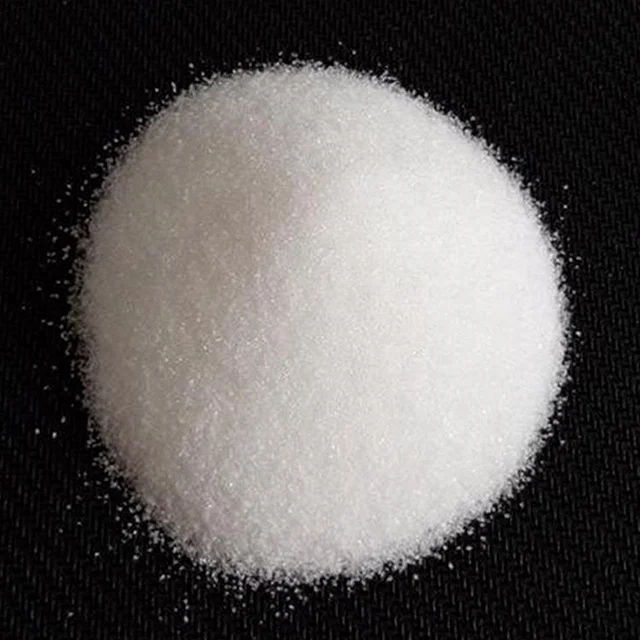
Industrial Potassium Sulfate K2O4S White Granular Powder, 99% Minimum for Fertilizer-Grade Enquiries
-
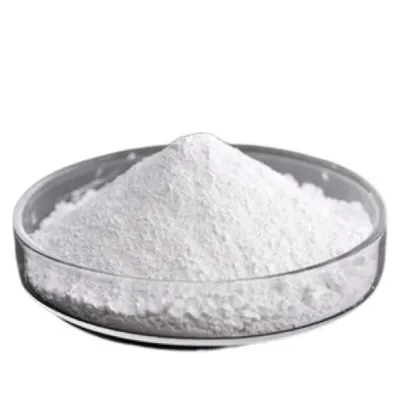
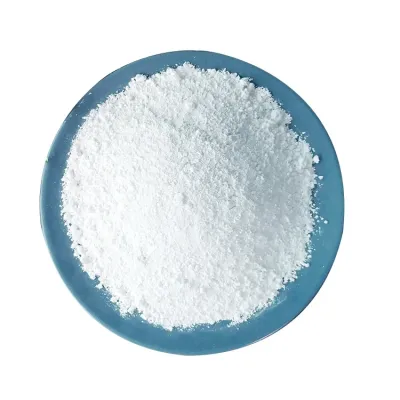
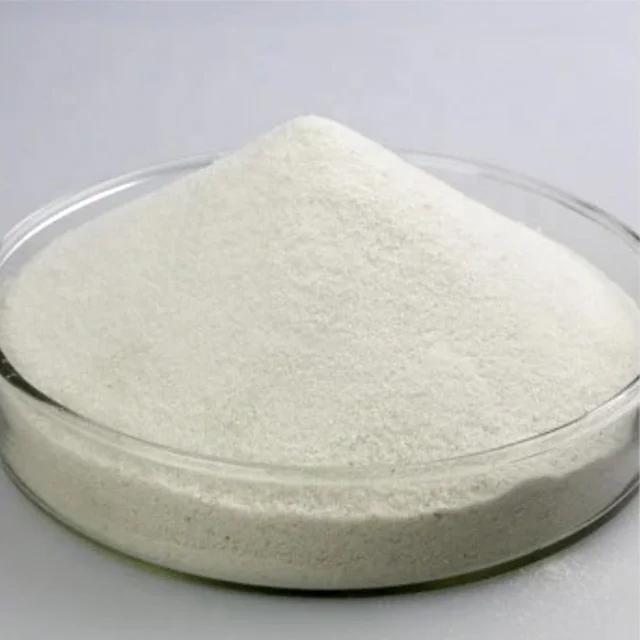
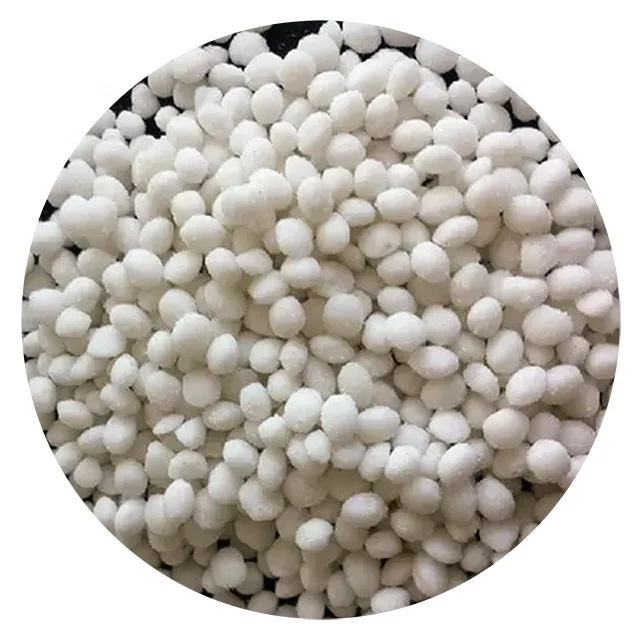
ColorWhitePhysical formGranular , Powder
-
CAS No.7778-80-5Purity99%min
-
AppearanceGranular powderClassificationSulphate
-
EINECS No.231-915-5Grade StandardIndustrial Grade
-
Molecular FormulaK2O4SOther NamesArcanum duplicatum
-
TypePotassium sulfateProduct namePotassium sulfate
-
Melting point1067°CBoiling point1689°C
-
density2.66colorWhite
-
EINECS number231-915-5GradeIndustral Grade
-
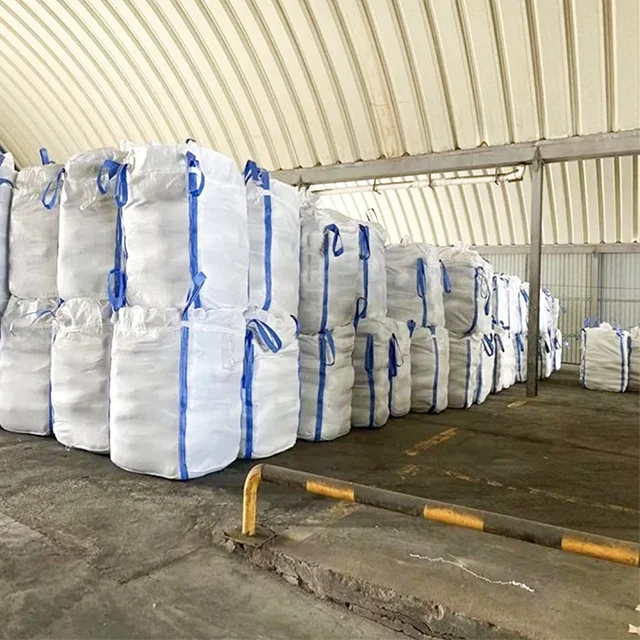
Package25kg/bagCAS7778-80-5
-
Usageself
Potassium sulfate salt purity and a fertilizer nutrient declaration answer different questions. This industrial K2O4S material is listed as white granular powder with 99% minimum purity; a fertilizer-related enquiry still needs the analysis and qualification applicable to its intended use.
Separate sulfate assay from nutrient reporting
The minimum purity does not state potassium, potassium-oxide-equivalent or sulfur nutrient content. Request a matched analysis identifying the reporting basis and methods instead of calculating an undeclared fertilizer specification from the chemical formula.
Confirm the offered powder and granule criteria
Ask which physical form and measurements define the material supplied for the enquiry. Agree relevant impurities, moisture and particle criteria with their methods and current results before using a general appearance description as an acceptance standard.
- Identify the actual industrial potassium sulfate and its current analysis.
- Obtain the nutrient declaration and grade evidence needed for the proposed fertilizer use.
- Match technical information and safety documentation to the offered material.
Establish the intended fertilizer application context
Specify the crop, soil and application method, and obtain qualified local agronomic input for an appropriate nutrient plan. Neither an application rate nor a crop-response result follows from the product name or minimum salt purity.
Confirm units and measurement basis before adopting the density entry. Thermal reference points do not set fertilizer-process conditions, so base the comparison on the actual offered grade, required nutrient information and evidence appropriate to the use being assessed.