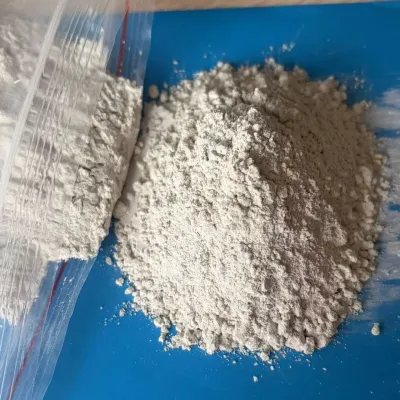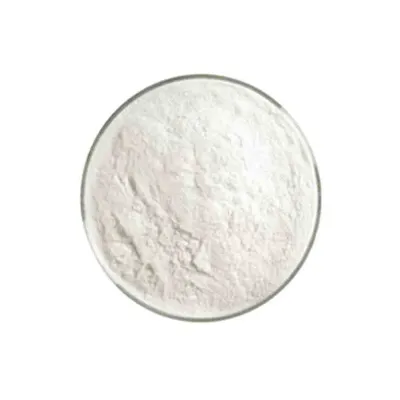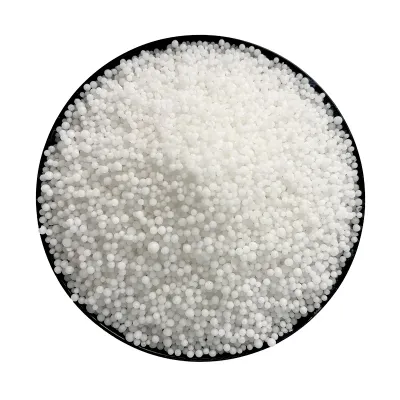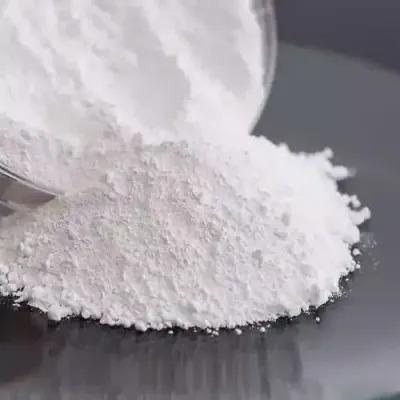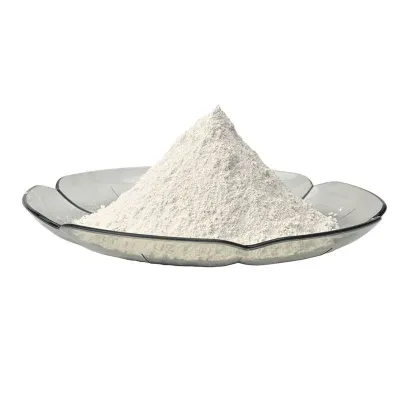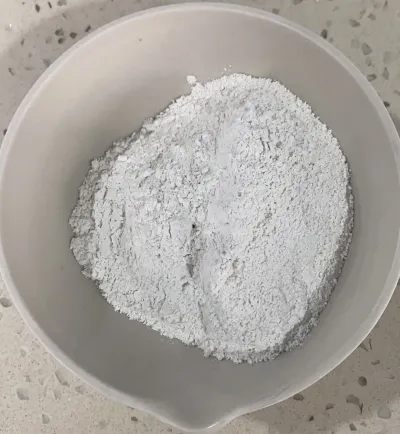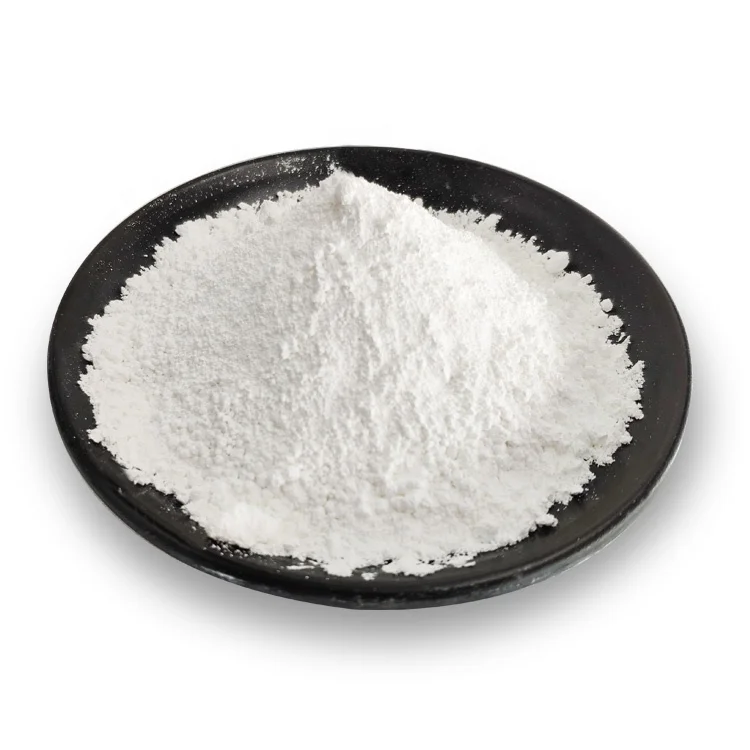
Industrial Precipitated Barium Sulfate, 98.6% Minimum Purity, for Paper Industry
-
ColorWhitePhysical formPowder
-
CAS No.7727-43-7Purity98.6% Min, 98.6%
-
AppearanceWhite PowderApplicationIndustrial
-
ClassificationSulphateEINECS No.231-793-3
-
Grade StandardIndustrial GradeMolecular FormulaBaSO4
-
Other Namesprecipitated barium sulfateTypeBarium Sulfate
-
Product nameprecipitated barium sulfateColorPure White
-
CertificateISOHs code28332700.00
-
GradeIndustrial Grade Food GradeUsagePaper industry
-
Moisture0.07%Solubility0.06%
-
PH Value6.5-9
Paper-industry material selection needs an identified mineral and a defined process role. This white industrial precipitated barium sulfate has stated minimum purity of 98.6%, moisture of 0.07% and pH of 6.5–9. Paper use is explicitly named for further technical evaluation.
Define the powder's intended paper-process role
Describe where the material would enter the process and which sheet or processing criteria must remain acceptable. Request the complete particle specification before planning the comparison. Neither the precipitated name nor a broad fine-powder description establishes the distribution needed by a particular paper system.
Keep moisture and pH on their own test basis
The stated moisture value is 0.07%, and it should be reviewed with the associated measurement method. Likewise, compare the pH range of 6.5–9 using the method required by the project. These properties provide separate checks and do not independently predict the finished sheet's appearance or handling.
- Assay acceptance
- Request current analysis against the stated minimum purity.
- Additional analytical requirements
- Define the solvent and conditions for any solubility information required by the process.
Qualify the application and documentation together
Test the powder in the intended paper system and evaluate the result against agreed acceptance criteria. Food-related applications require their own applicable grade and regulatory evidence. Obtain any certificate scope required by purchasing without treating industrial classification as evidence of food suitability or a guaranteed optical result.
Frame the sample request
Include the process role, particle requirements and analytical methods with the enquiry. That gives the technical team a clear basis for evaluating the actual material supplied.