Industrial Quicklime Calcium Oxide, Purity ≥95%, for Steelmaking and Chemical-Material Evaluation
-
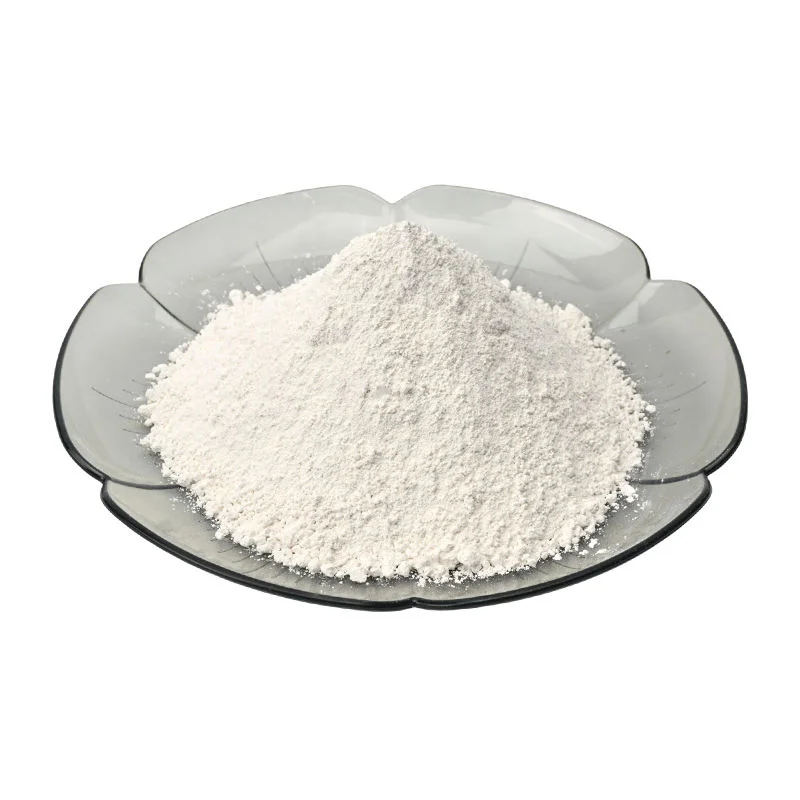
ColorWhitePhysical formPowder
-
CAS No.1305-78-8Purity>=95%
-
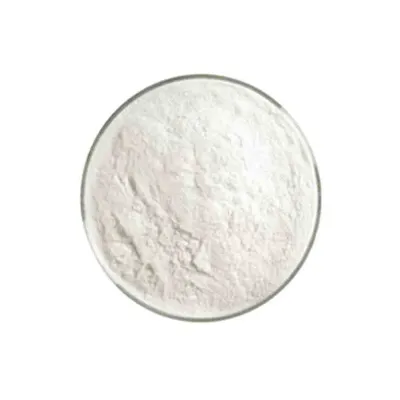
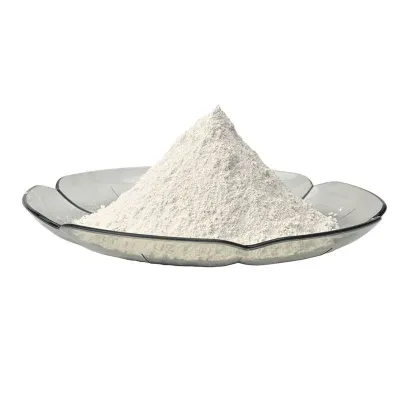
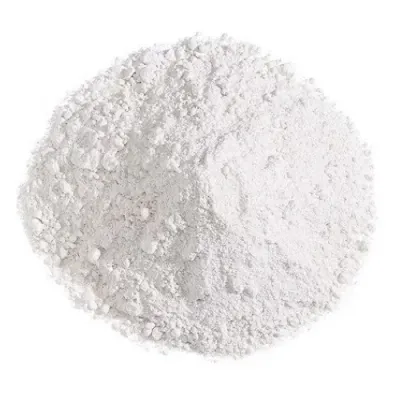
Appearancewhite powderApplicationSteel making & Chemical Industry and so on
-
ClassificationCalcium OxideEINECS No.215-138-9
-
Grade StandardIndustrial GradeMolecular FormulaCao
-
Other NamesQuicklime, Unslaked Lime, Burnt LimeOxide TypeMetal Oxides
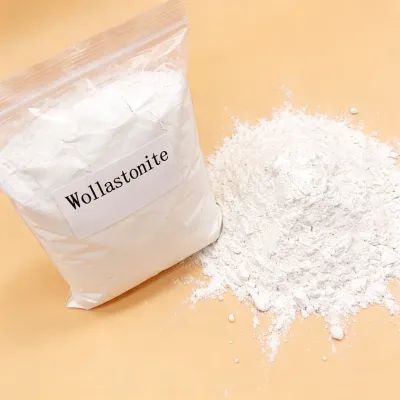
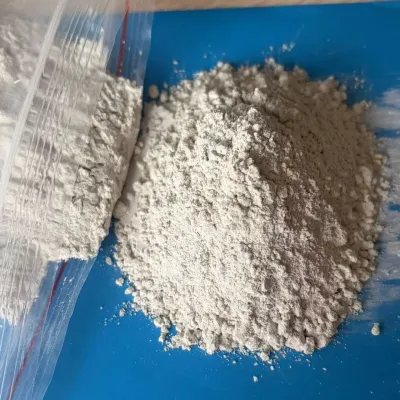
Material acceptance and process qualification are separate questions for this industrial quicklime calcium oxide. The product is described as white CaO powder with stated purity ≥95%, for steelmaking and chemical-material evaluation enquiries.
Define the powder acceptance record
Request the current assay and the particle specification for the actual proposed grade. Keep the ≥95% minimum distinct from a sample's measured result, and identify the impurity criteria required by the plant. The report set should describe the material rather than a broad quicklime family.
- Powder acceptance
- Confirmed chemical and physical limits, methods and sample identity.
- Process acceptance
- Defined plant requirements and the relevant qualification observations.
Complete the activity-test description
Ask what the 420ml volume measures and obtain the procedure, conditions and endpoint. Retain that context with the actual result so comparisons concern equivalent measurements. The designation alone does not establish a high-reactivity ranking or predict the outcome of a specific industrial process.
Review the grade against the plant brief
Examine matched technical and safety documentation before assessing a representative material. Agree the acceptance criteria for the intended steelmaking or chemical use and record the conditions applied during evaluation. No universal process improvement or operating recipe is established here. Keep the evaluated powder identifier, reports and qualification record together so later enquiries can specify the same material or clearly describe a changed plant requirement or powder specification.