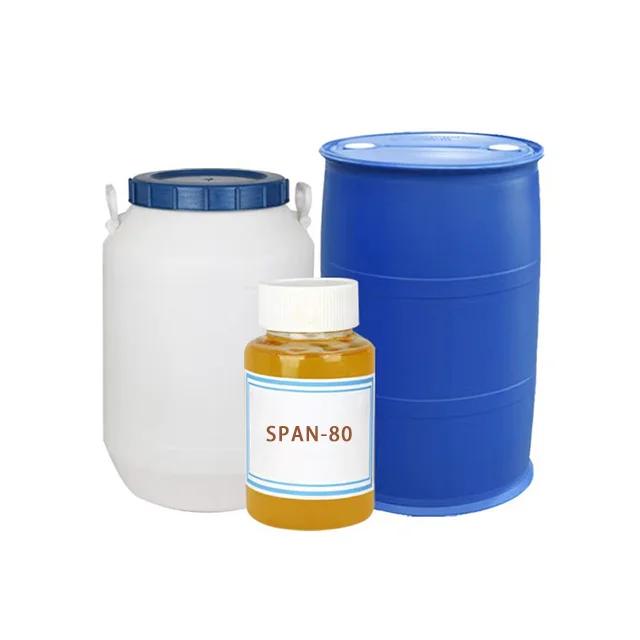
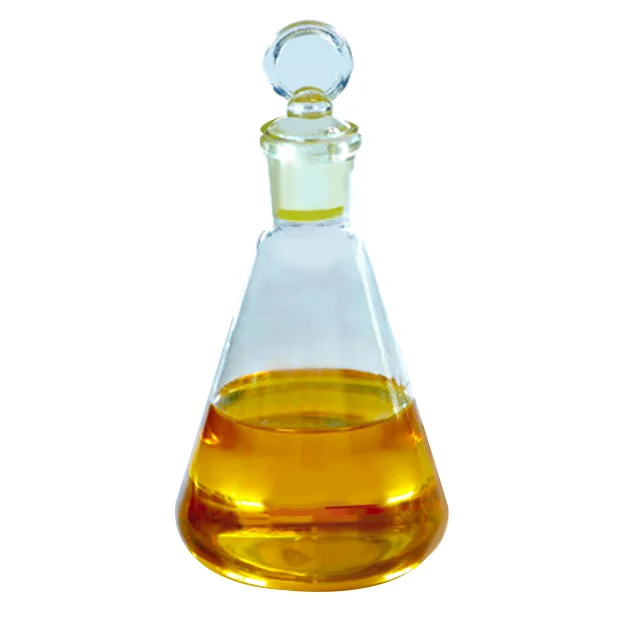
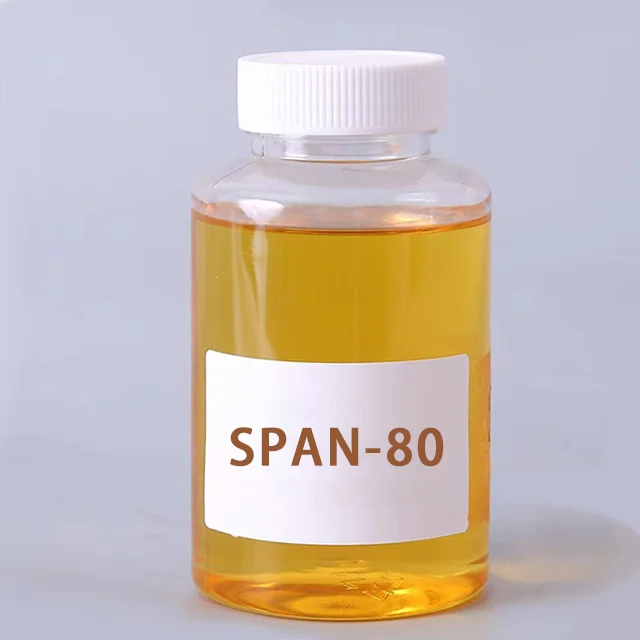
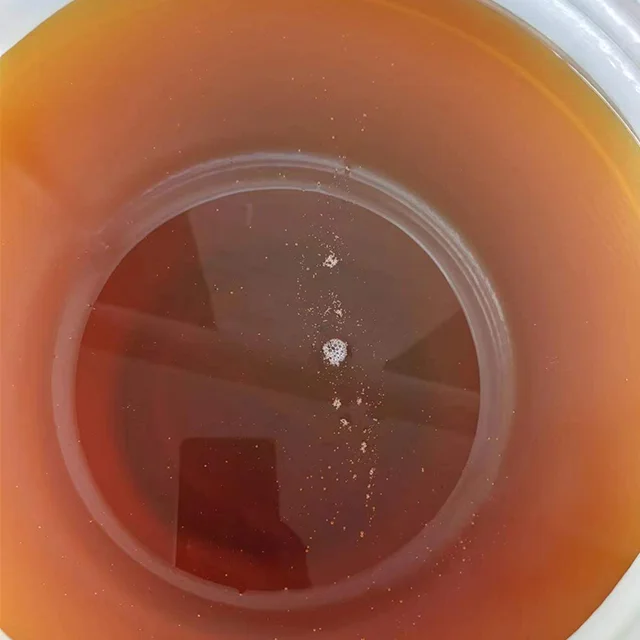
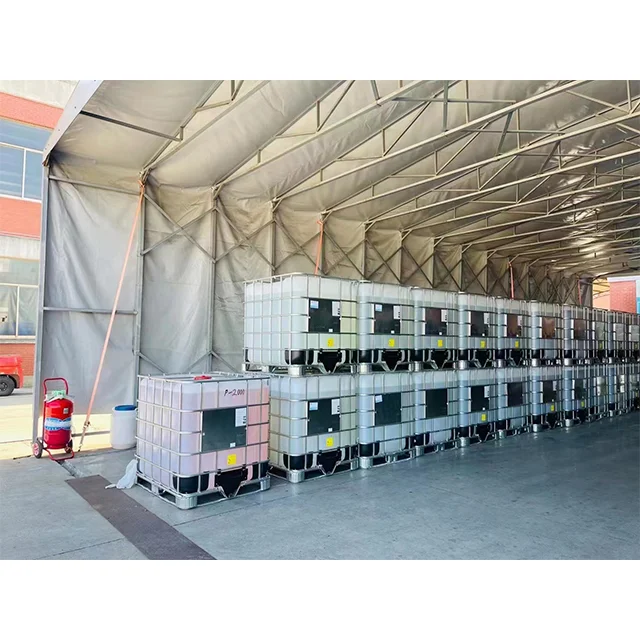
Span 80 Sorbitan Monooleate C24H44O6, s-80 Industrial Yellow Viscous Liquid Emulsifier
-
ColorYellowPhysical formLiquid
-
CAS No.1338-43-8Purity99.9%
-
Model Numbers-80AppearanceLiquid
-
ApplicationemulsifierEINECS No.215-665-4
-
Grade StandardIndustrial GradeMolecular FormulaC24H44O6
-
Other NamesspanProduct NameSpan 80
-
Boiling point463.43°C (rough estimate)density0.986 g/mL at 25 °C(lit.)
-
vapor pressure<1.4 hPa (20 °C)refractive indexn20/D 1.48(lit.)
-
Fp>230 °Fstorage temp.Store below +30°C.
-
formViscous LiquidcolorYellow
-
Specific Gravity0.986
Span 80 is sorbitan monooleate, identified by C24H44O6 and CAS 1338-43-8. The s-80 model is an industrial emulsifier described as a yellow viscous liquid, with the actual offered grade to be evaluated for the buyer’s system.
Identify the commercial grade behind the chemical name
The chemical formula provides an identity reference, while a commercial-grade assessment needs its own composition and analytical basis. Request those documents for the actual s-80 sample rather than treating identity as a purity guarantee.
Ask which analytical methods and acceptance limits apply to the offered material. A useful comparison should make clear what is measured and how the result relates to the intended industrial requirement.
Define the emulsion test before judging suitability
Describe the proposed system and the behaviour that the evaluation needs to assess. Specify the compatibility and emulsion tests relevant to that system, then review the sample result under those stated conditions.
- Confirm the sample identity and current grade composition.
- Agree on analytical methods and system acceptance criteria.
- Assess the actual trial together with the grade documents.
Use current physical and handling documentation
Obtain the current technical sheet, analysis and SDS for s-80. Method-linked physical results and handling guidance should refer to the offered grade, rather than being assumed from an estimated or literature value.
The industrial emulsifier description establishes no food or cosmetic approval. It also supplies no verified HLB value, universal formulation recipe or addition rate, so those matters require appropriate product-specific evidence before qualification.