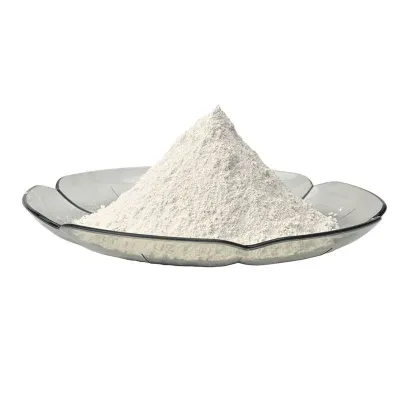
White Talcum Powder for Grade Evaluation, 1250–5000 Mesh Designation and 90% Whiteness
-
Particle-size designationMesh designationColorWhite
-
Physical formPowder
-
Product namewhiteness meter for talc powderWhiteness (%)90
-
SiO2 %39MgO %31
-
Moisture (%)0.3Fineness1250
This nominal talcum-powder enquiry combines a white appearance designation with 90% whiteness, 39% SiO2 and 31% MgO. Confirm the precise powder grade and current material documents before using these criteria to select a sample for a particular project.
Establish the powder grade before comparing fineness
The 1250–5000 mesh designation describes a broad fineness offering rather than a single confirmed distribution. Ask which grade is actually available, its defined mesh basis and measured size curve, and whether the proposed sample matches that specification.
Give the talc analysis a defined test basis
The SiO2 and MgO percentages are composition criteria to assess against the intended material requirement. A whiteness value of 90% needs its own optical method and reference, while the 0.3% moisture value should be compared using an agreed conditioning and measurement procedure.
- Grade confirmation
- Obtain an unambiguous current product identification and a technical sheet for the actual powder being offered.
- Physical characterisation
- Request the fineness measurement, moisture method and relevant mineral analysis before approving a comparison.
- Project brief
- Describe the intended material role and acceptance tests so the proposed grade can be assessed meaningfully.
Require measured evidence for a nanosize requirement
A nano description does not supply a measured particle-size distribution for this powder. Where a project has a particular size requirement, use a suitable measured specification and confirm it for the offered grade rather than inferring it from a broad mesh range or milling term.
For this talc enquiry, the next useful step is a confirmed powder identity with matching composition and physical-test documentation. Once that foundation is established, evaluate a representative sample against the project's actual criteria instead of assuming an unstated application or performance advantage.