XM-C102 Precipitated Calcium Carbonate PCC Powder, 98% Minimum Purity, 400–2000 Mesh for Formulation Evaluation
-
Particle-size designationMesh designationPhysical formPowder
-
CAS No.471-34-1Purity≥98%
-
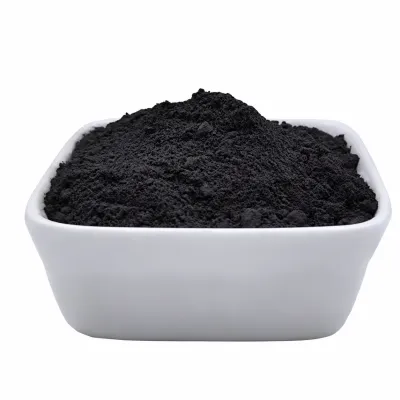
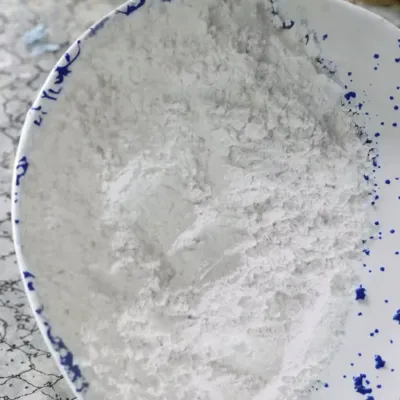
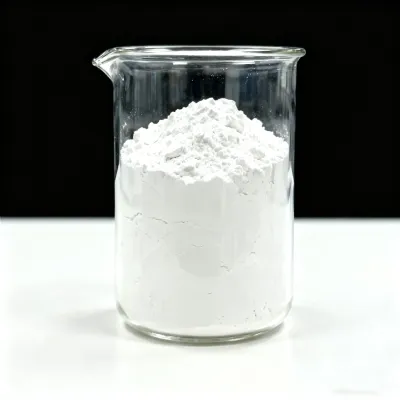
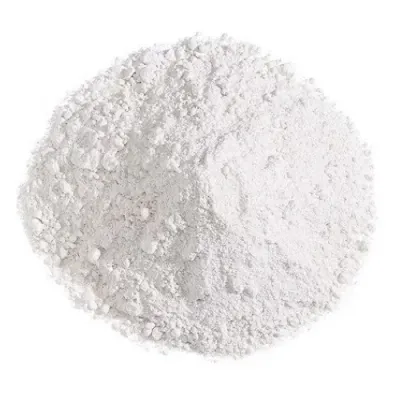
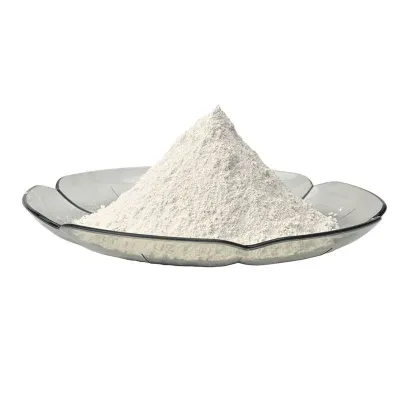
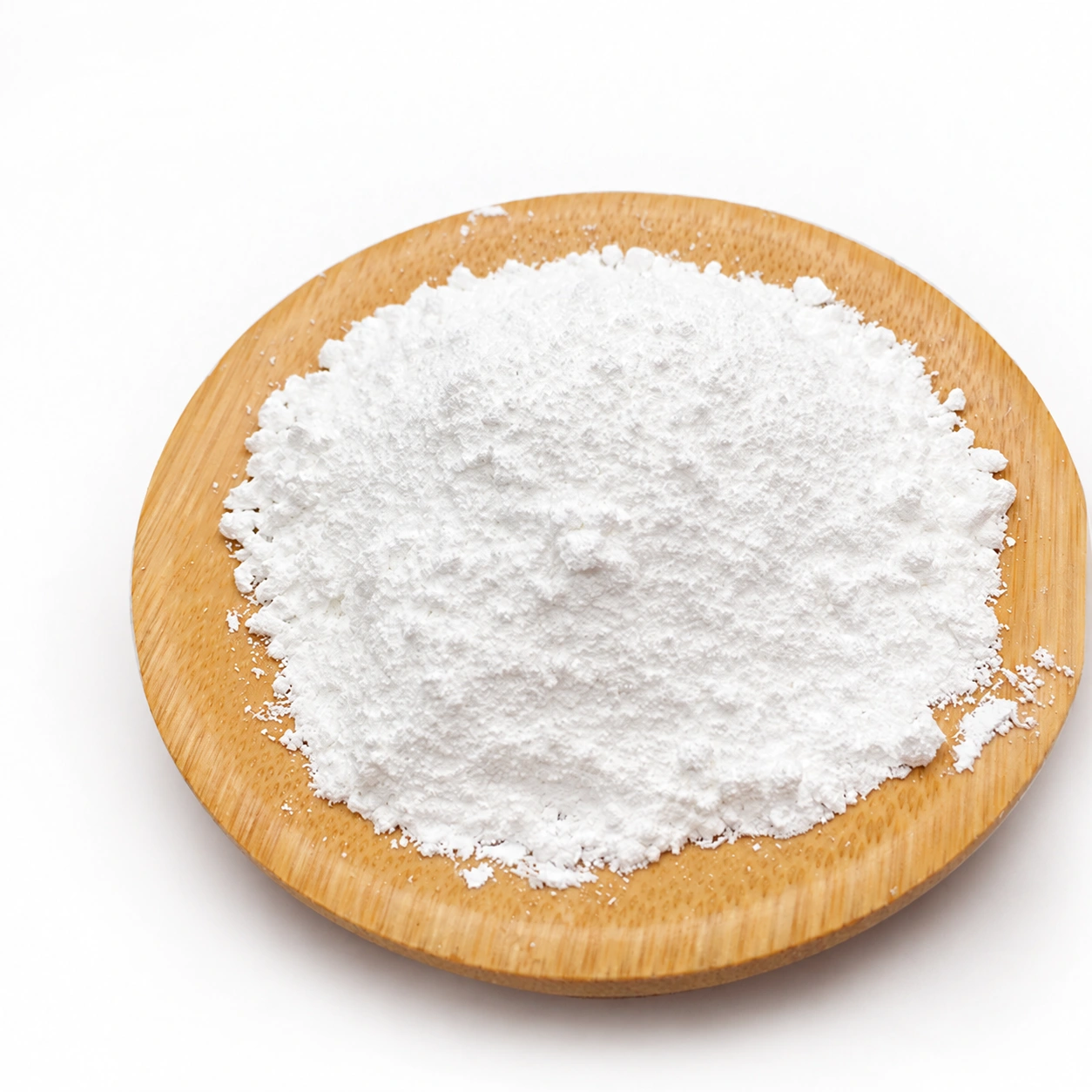
AppearanceWhit PowderApplicationFood Additive, Food additive
-
ClassificationCarbonateGrade StandardFood Grade
-
Molecular FormulaCaCO3TypeCalcium Carbonate
-
Model NumberXM-C102HS CODE28365000
-
CertificateISO9001Mesh400~2000
-
WhitenessMin 98Oil Absorption g/100g24~27
-
Loss On Ignition2.0HCL Insoluble(%)0.2
-
PH value7~8SampleFreely
XM-C102 is a precipitated calcium carbonate powder, identified as PCC with the formula CaCO3 and a minimum purity of 98%. Its stated 400–2000 mesh range gives a starting point for a fineness enquiry, while the intended application and grade requirements should be established before a formulation trial.
Define the PCC specification first
For XM-C102, the white powder form and calcium carbonate identity distinguish the ingredient from a prepared compound or finished coating. A buyer comparing mineral raw materials should specify the required assay, particle-size acceptance criteria and the documents needed to qualify the selected grade.
Fineness and colour need clear methods
The 400–2000 mesh range does not select one fineness for every XM-C102 enquiry. Likewise, the whiteness value of minimum 98 is most useful when the measurement method and reference are agreed, allowing the PCC sample to be assessed against the actual colour requirement.
- Identify the target XM-C102 fineness within the 400–2000 mesh range.
- Check the minimum 98% purity and 0.2% hydrochloric-acid-insoluble criterion against the required analysis.
- Agree how the pH range of 7–8 will be measured and compared during material qualification.
Match the grade to the proposed use
A buyer considering XM-C102 for plastics, coatings, paper or rubber should request evidence for that intended process. Food-related use requires its own applicable specification and compliance documentation; a calcium carbonate name and chemical assay are not sufficient to establish food suitability.
For this PCC selection, resolve the intended use, grade documentation and target fineness together, then evaluate a representative XM-C102 sample against the formulation criteria rather than assuming that a broad mesh range defines one interchangeable grade.