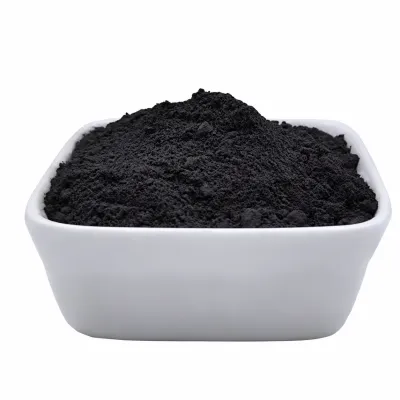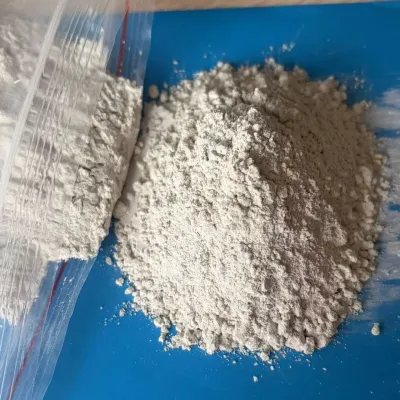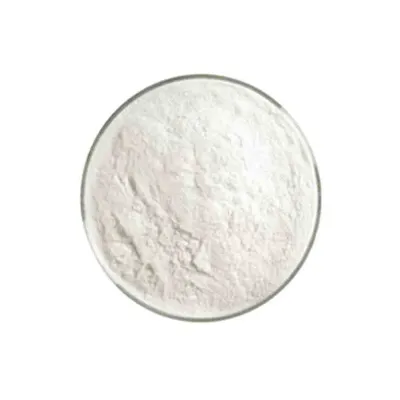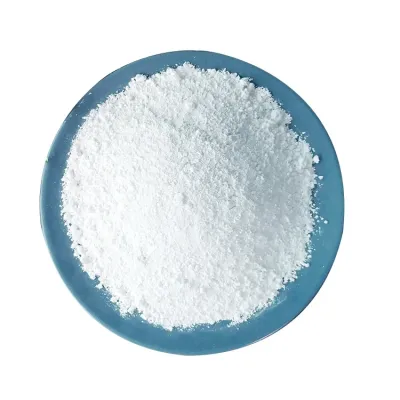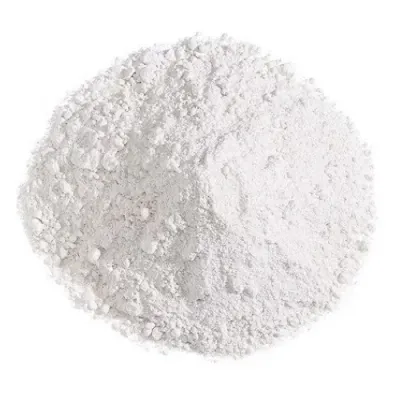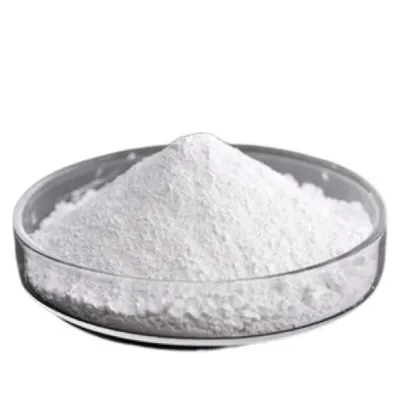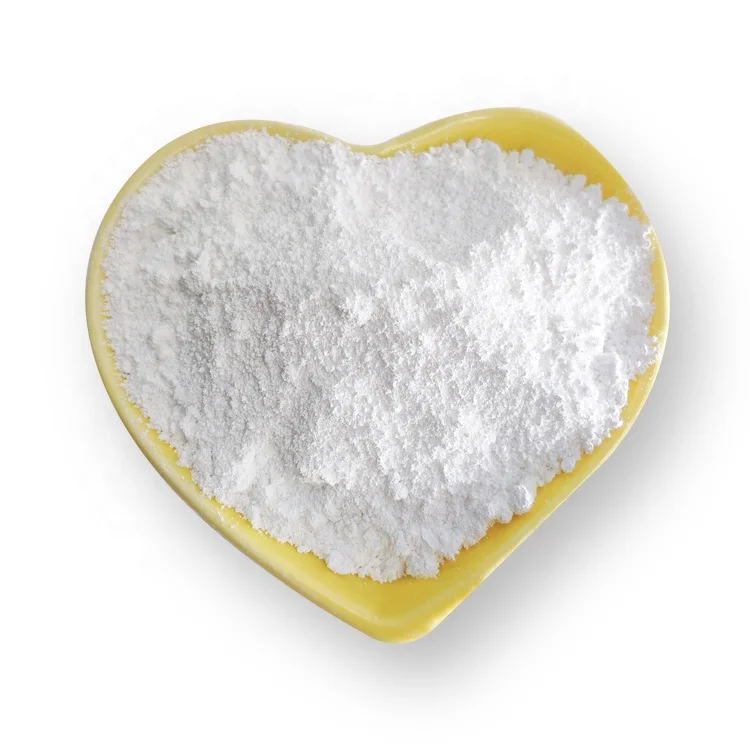

XM-T453 Talc Powder for Insulation-Cable Material Trials, 55–60% SiO2 and 88–99% Whiteness
-
ColorWhitePhysical formPowder
-
Model NumberXM-T453AppearanceWhite Color Powder
-
Size325/400/800/1000/1250/2000/2500/5000Whiteness88~99%
-
SiO255-60%PH7-9
-
Oil Absorption38(G/100g)Moisture (%)0.5 Max
-
Loss of Ignition(1000C) %7Water Solute (%)0.1 Max
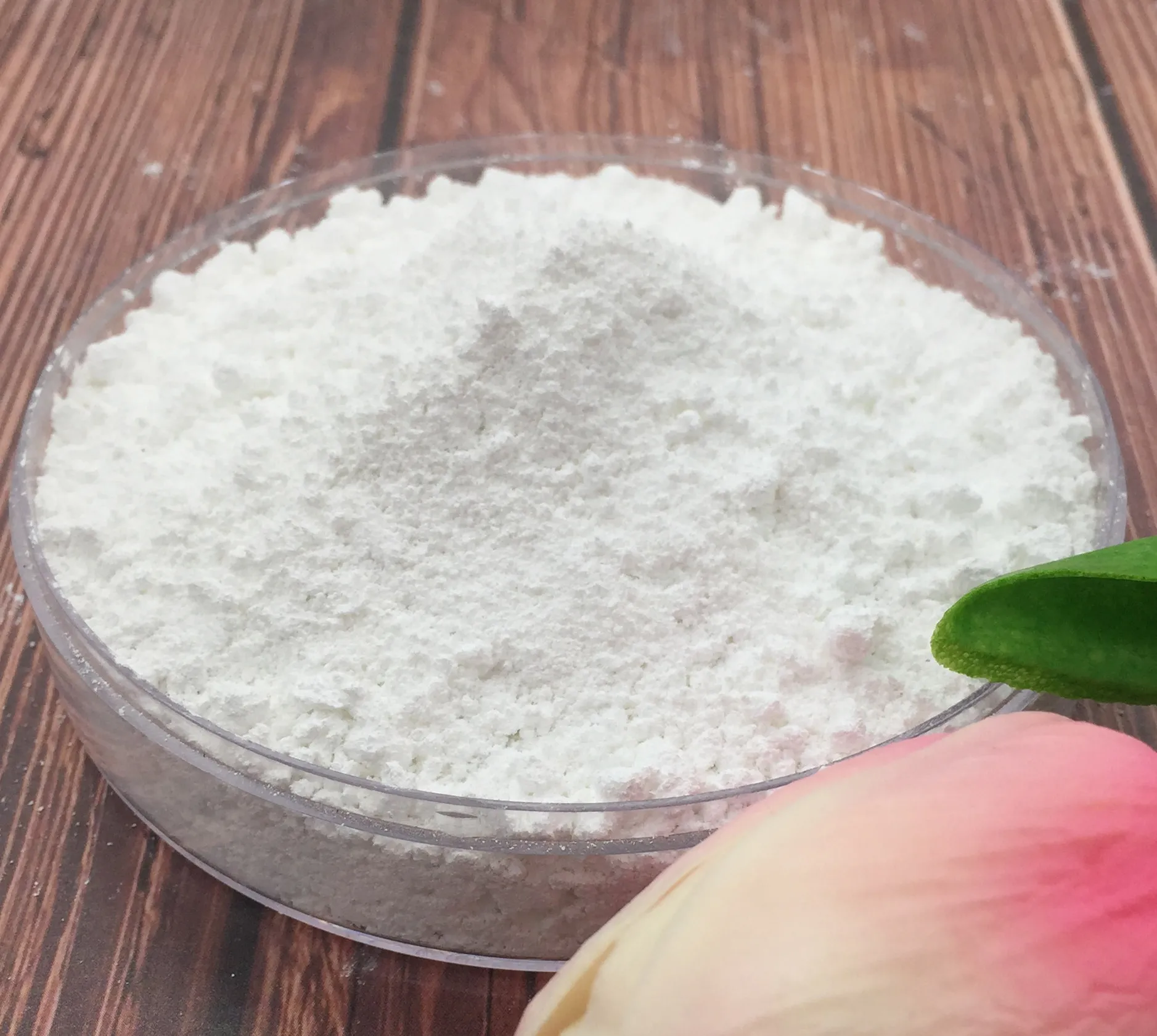
XM-T453 is a white talc powder identified for insulation-cable material enquiries, with 55–60% SiO2 and 88–99% whiteness. Confirm the actual offered size grade and composition before assessing the powder against a particular cable-compound specification.
Define the talc grade for the cable material
Identify the actual compound, intended mineral role and the process used for the proposed XM-T453 trial. An insulation-cable direction does not establish an electrical, thermal or finished-cable result, so agree the applicable material and system acceptance tests rather than infer them from the application name.
Use the physical criteria with agreed methods
Oil absorption is 38 g/100g, pH is 7–9 and moisture has a maximum of 0.5%. Confirm the preparation, conditioning and measurement procedures, and define the optical reference and actual whiteness grade within the broad offering before comparing samples.
- Size specification
- Obtain the explicit size unit, actual grade and measured distribution needed by the intended process.
- Ignition criterion
- The source ignition-loss entry is 7% at its stated 1000C test condition; confirm the applicable method.
- Water-solute criterion
- Use the maximum 0.1% entry with an agreed test definition rather than assuming an unstated solubility method.
Approve XM-T453 through the actual compound trial
Request current mineral analysis, relevant impurity limits and product-specific technical and safety information for the offered grade. The SiO2 range describes a composition criterion, while its contribution to processing, appearance or any required cable property needs evidence from the actual formulation.
For this XM-T453 enquiry, combine a confirmed size grade and analytical specification with the relevant physical-test methods. A representative cable-material assessment should then establish whether the proposed talc meets the project's actual acceptance requirements.