
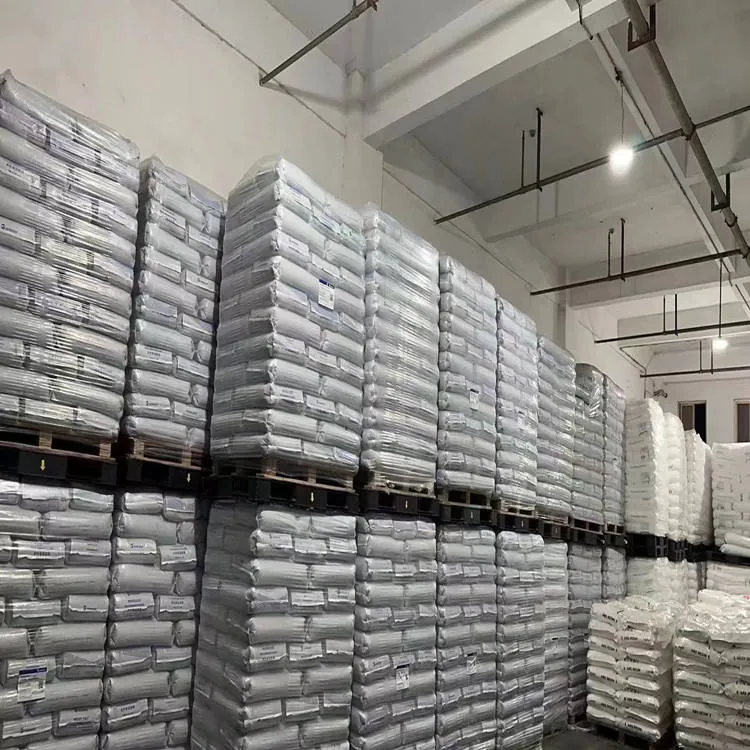
602-6 Calcium Carbonate, 90±10nm, for Silicone Sealant and Adhesive Compound Qualification
-
Particle-size designationNanometre designationColorWhite
-
Physical formPowder
-
CAS No.471-34-1Purity95%-99%
-
Appearancewhite powderApplicationAdhesion | Ideal for Adhesives
-
ClassificationCarbonateEINECS No.207-439-9
-
Grade StandardIndustrial GradeMolecular FormulaCaco3
-
Other NamesNano-calciumTypeCalcium Carbonate
602-6 is the actual model option for this industrial calcium carbonate white powder. Stated purity is 95%-99%, and the 90±10nm designation provides a particle-size question to resolve before silicone-sealant or adhesive compound qualification.
Identify the measurement behind 90±10nm
Ask what particle dimension is being reported and which method supports it. Obtain the relevant distribution and sample information rather than treating the designation as a particular percentile or proof of dispersion. Keep the model identifier on the report so the result refers to the powder actually proposed.
Build a powder-to-compound comparison
Request surface-treatment and moisture information, together with the grade-specific technical and safety documents. Describe the intended sealant or adhesive system and agree a representative formulation assessment. Powder identity and stated purity do not determine a universal addition level or compatibility with every binder.
- Uncured evaluation
- Examine the rheological response using a defined formulation and method.
- Cured evaluation
- Assess the required tensile behaviour under agreed conditioning and test conditions.
Keep claimed improvements separate from test results
No enhanced thixotropy or tensile-strength gain is established here. Judge any proposed benefit against a suitable comparison within the intended system, and record the criteria used for acceptance. Retain the tested 602-6 sample identity, particle report and formulation conditions with the results. A later enquiry can then specify whether it seeks the same evaluated grade or requires a different material or application qualification.