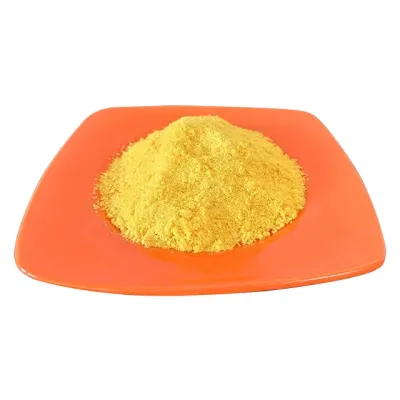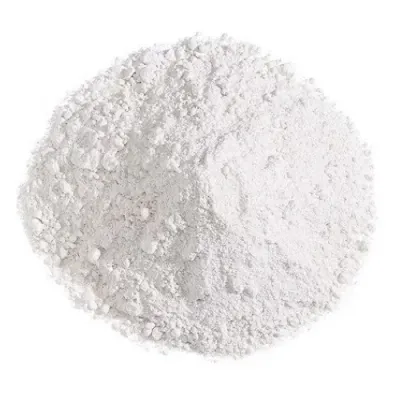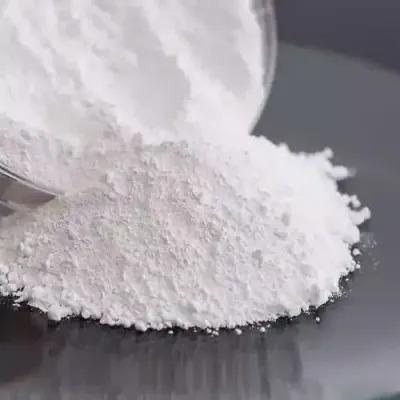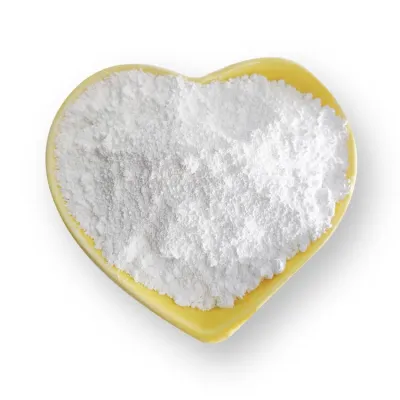
Calcium Carbonate CaCO3 White Powder, 98% Minimum Purity for Material Grade Evaluation
-
ColorWhitePhysical formPowder
-
CAS No.471-34-1Purity98%min
-
AppearanceWhite powderClassificationCarbonate
-
EINECS No.207-439-9Grade StandardFood Grade
-
Molecular FormulaCaCO3Other NamesLimestone powder
-
TypeCalcium Carbonate
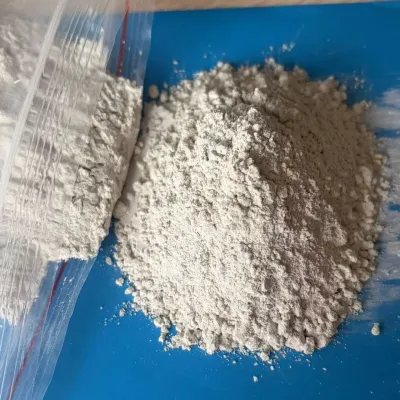
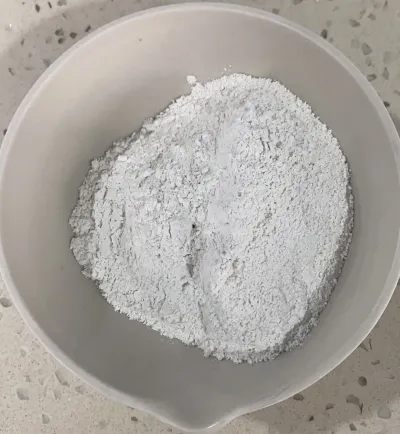
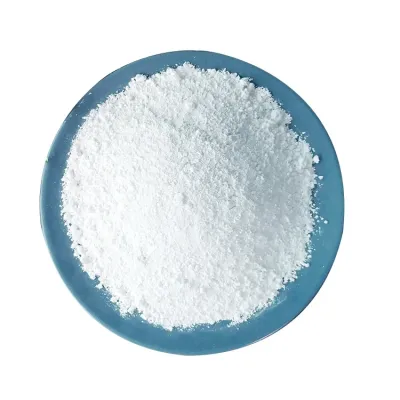
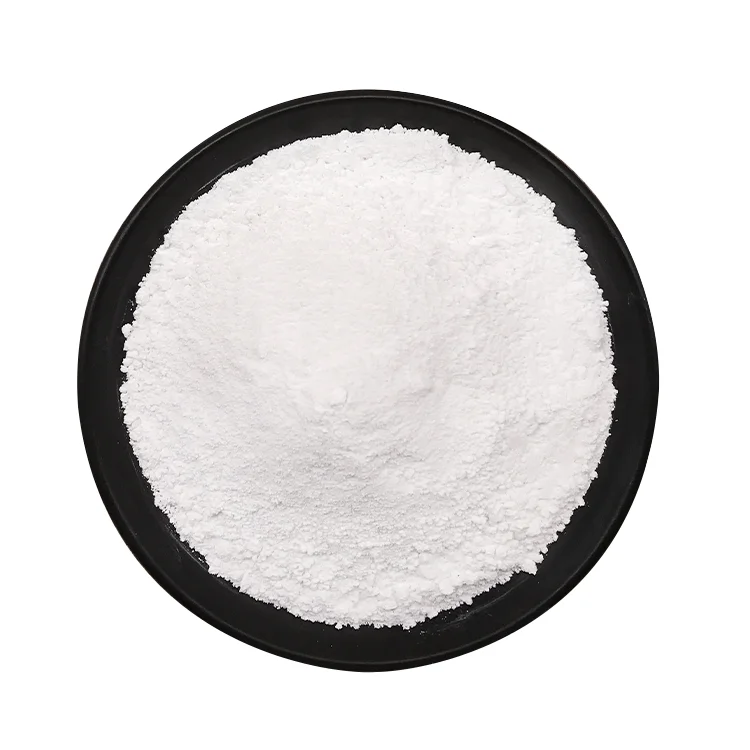
This calcium carbonate is a white powder with the formula CaCO3 and a minimum purity of 98%. The limestone-powder alias helps identify the material enquiry, while the actual grade, physical specification and intended role need confirmation before approval.
Use the minimum assay as a composition criterion
The 98% minimum purity establishes a stated chemical requirement rather than a complete material specification. Obtain a current product-specific analysis with the relevant impurity limits, and confirm how the assay is measured before comparing the powder with another proposed ingredient.
Confirm the qualification needed for the intended use
A food-related enquiry requires applicable product and use documentation before the material can be approved for that purpose. Ask for the confirmed offered grade and the relevant current compliance evidence; the chemical name and minimum purity alone do not establish food-use qualification or an appropriate application.
- State the intended role and the specification the material must meet.
- Request the actual grade, composition analysis and relevant safety documents.
- Confirm any use-specific qualification through applicable product documentation.
Request the missing physical powder criteria
A useful comparison also needs the actual particle-size distribution, units and measurement method where fineness matters to the project. Confirm any surface treatment and production route rather than inferring them from the limestone alias, white appearance or carbonate classification.
CAS 471-34-1 and EINECS 207-439-9 are the supplied identifiers to reconcile with current product documents. For this CaCO3 enquiry, proceed from a confirmed identity and minimum assay to a defined grade specification, then establish acceptance against the intended use rather than assigning an unstated material performance.