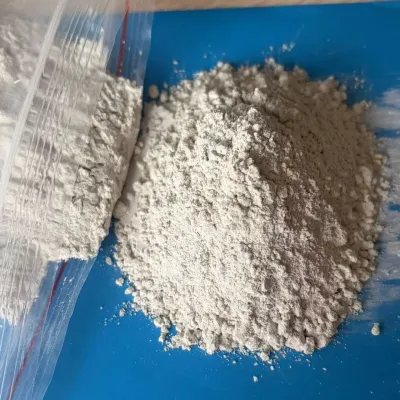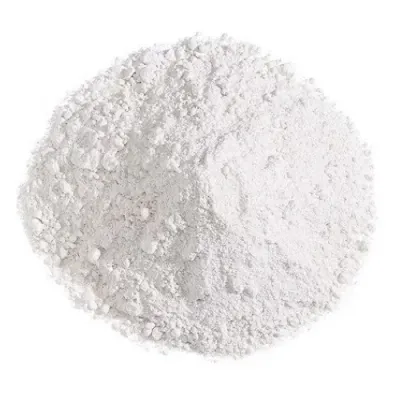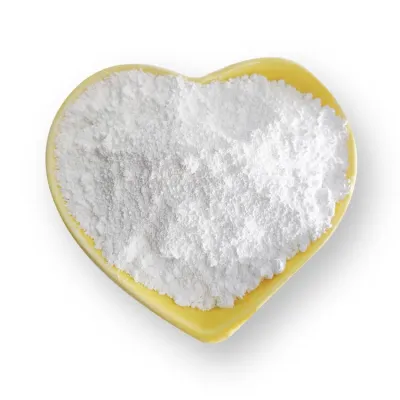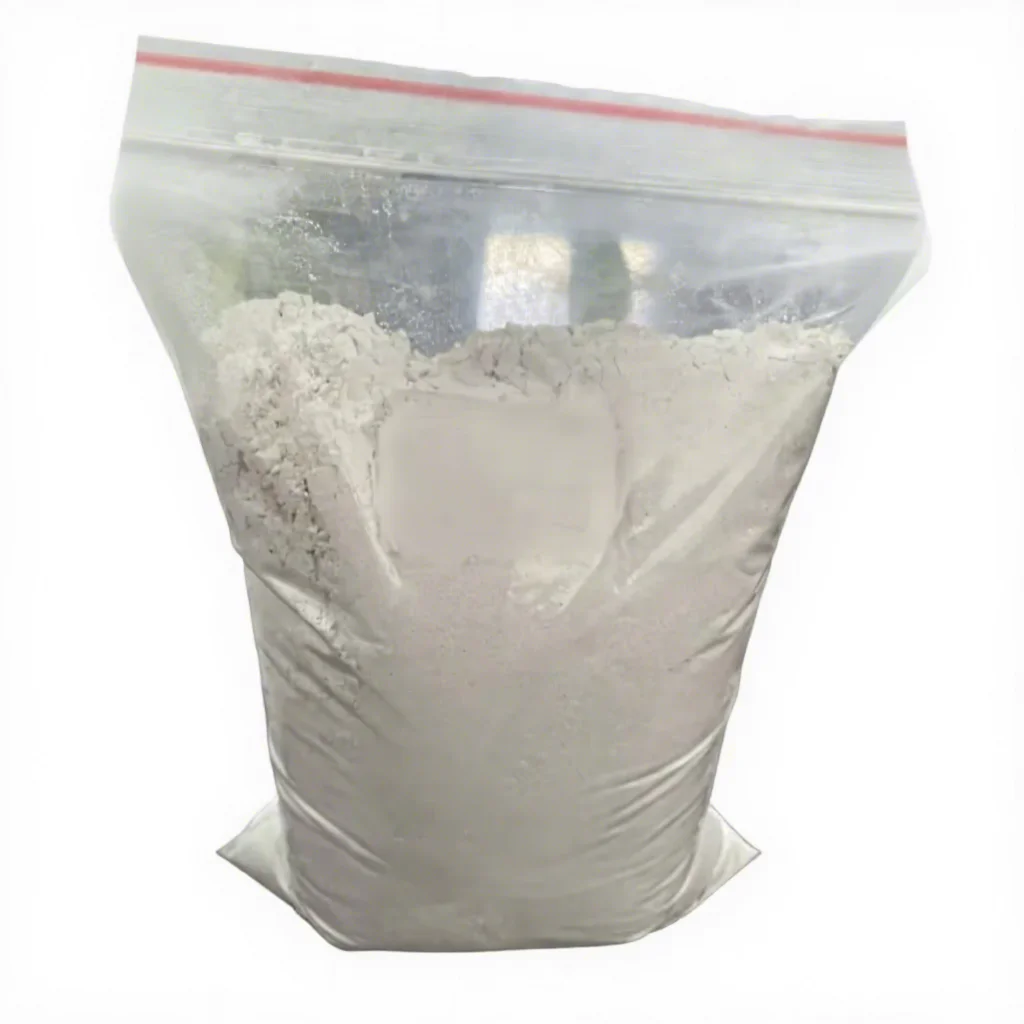
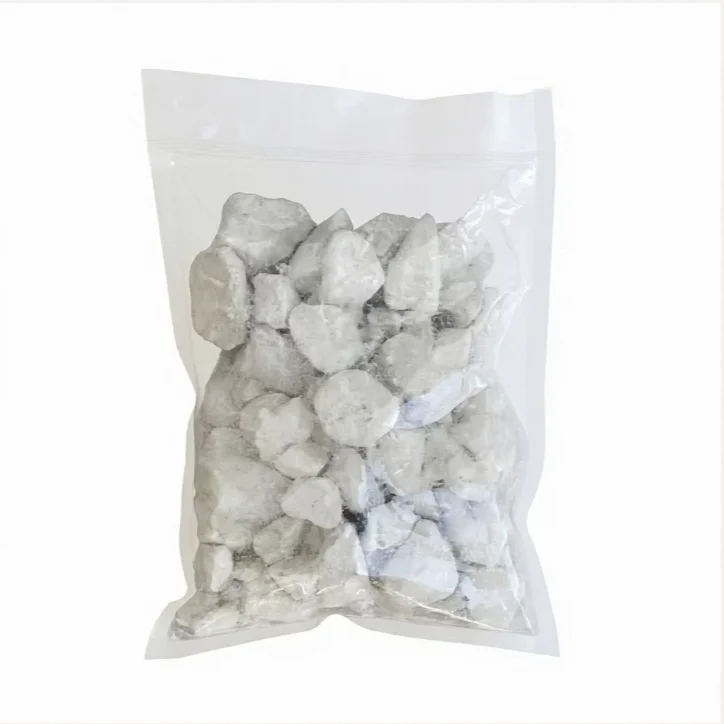
Industrial Calcium Oxide CaO Quicklime Powder for Mud and Slurry Solidification and Soft Soil Stabilization Assessment
-
ColorWhitePhysical formPowder
-
CAS No.1305-78-8Purity75%-80%
-
AppearanceWhite powderApplicationslurry solidification, three-part soil
-
ClassificationCalcium OxideEINECS No.215-138-9
-
Grade StandardIndustrial GradeMolecular FormulaCaO
-
Other NamesQuicklime
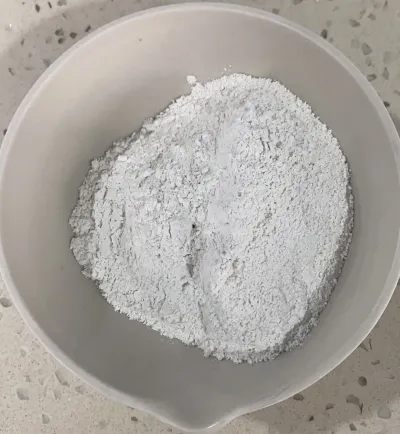
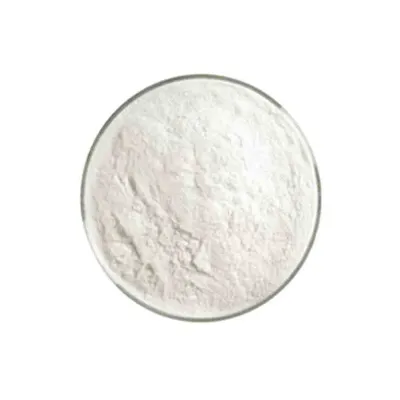
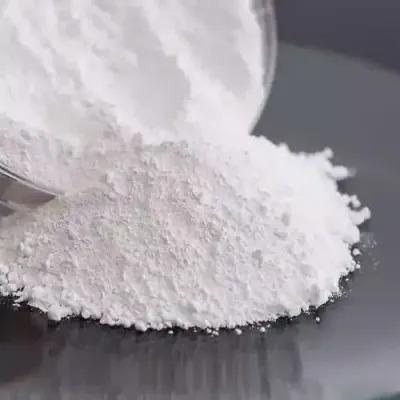
Define the required project outcome when considering this industrial calcium oxide quicklime for mud, slurry or soft soil. The material is a white CaO powder, with slurry solidification and three-part soil among its intended enquiry areas.
Turn the project brief into testable criteria
Describe the actual soil or slurry, the proposed role of the material and the properties the project must achieve. Have the responsible technical specialist establish a representative evaluation and the criteria for accepting its results.
Soft-soil stabilization and mud solidification are assessment targets here. They do not establish a universal strength gain, solidification time or suitable application rate for a different project.
Agree the chemical acceptance basis
Ask for a current CaO assay specification and certificate of analysis linked to the proposed sample. Confirm the test method and the composition requirements that matter to the intended evaluation before making a material comparison.
- Chemical review
- Identify the sample and agree its analytical acceptance criteria.
- Project review
- Evaluate that sample against the actual soil or slurry requirements.
Keeping these decisions distinct avoids treating chemical identity as proof of a particular physical result. Additional technical measurements should be requested according to the project brief.
Carry the sample evidence through the decision
Review the technical sheet and safety data sheet alongside the analytical documents. For a three-part soil enquiry, define the intended material role without assuming a formulation or transferring an unrelated trial result.
Retain the sample reference and the agreed evaluation record together. A production decision should follow the qualified assessment of the actual project conditions and the material that was tested.