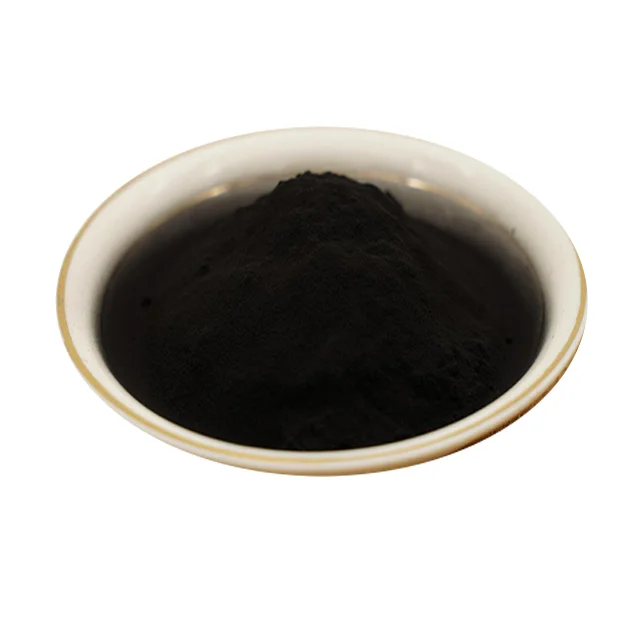
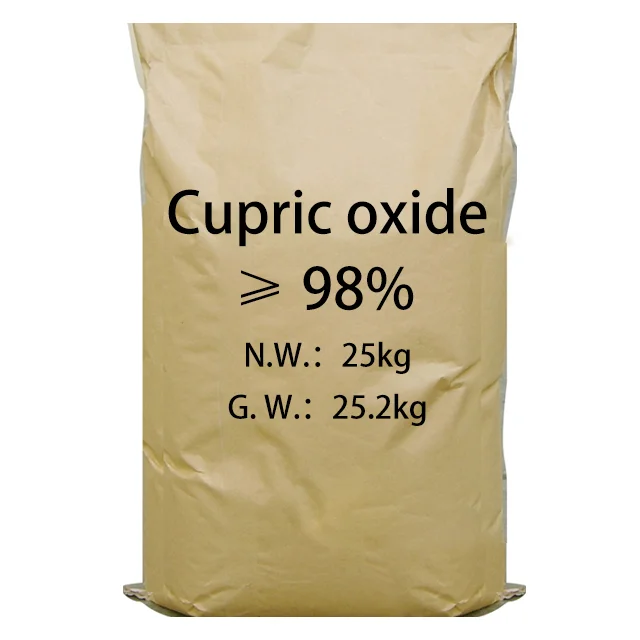
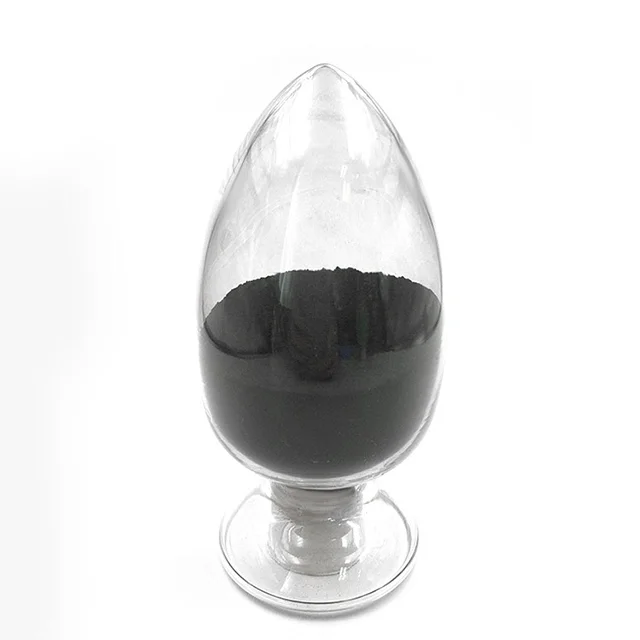

Industrial CuO Cupric Oxide Copper Oxide Black Powder, 99%, 50 µm, Electronic-Grade Enquiries
-
Physical formPowder
-
CAS No.1317-38-0Purity99%
-
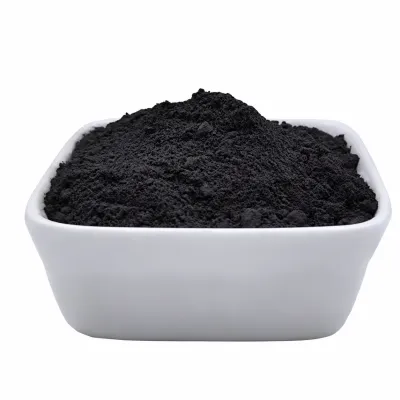
Appearancebalck powderApplicationindustry
-
ClassificationOxideEINECS No.215-269-1
-
Grade StandardElectron Grade, Industrial GradeOther NamesCuO
-
Product nameCupric OxideParticle size50um
-
ColorBalckGradeIndustrial Garde
-
Package25kg/bagMOQ1 Ton
-
CAS1317-38-0HS CODE28255000
-
SampleAvailiable
A particle-size number is useful only when the buyer knows what it measures. This cupric oxide, also called copper oxide, is an industrial black powder identified as CuO, with stated purity of 99% and a particle-size designation of 50 µm.
Interpret the 50 µm CuO designation
Ask whether the particle figure represents an average, a distribution percentile, a sieve limit or another reported measure. The answer determines how it can be compared with a powder requirement for the intended process.
Request the test method and the available distribution information with the sample. A single size designation does not establish the largest particle, the breadth of the distribution or the powder's dispersion behaviour.
Separate compound purity from electronic qualification
The stated purity applies to the cupric oxide product and should not be read as an elemental copper percentage. For an electronic-grade enquiry, define the relevant contaminant limits and request current analytical evidence against those criteria.
What should accompany an electronic-material enquiry?
Provide the intended process and the acceptance standard you need the sample to meet. Ask which impurity methods and qualification results are available for that exact offered grade.
Approve the actual copper oxide sample
The industrial designation provides a starting context, while functional suitability still depends on the process. Neither the black appearance nor the purity figure establishes electrical behaviour, thermal performance or a universal substitution.
Review identity, assay, trace-impurity and particle records together before conducting the appropriate sample assessment. Keep any electronic-grade approval tied to the agreed criteria and documented results rather than the grade wording alone.