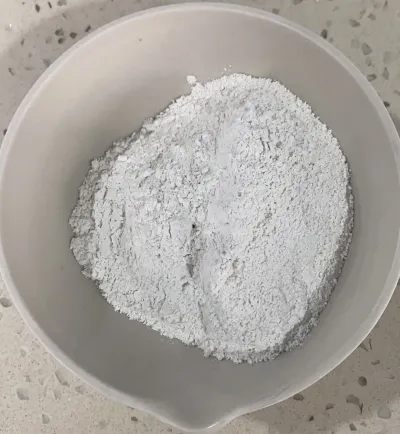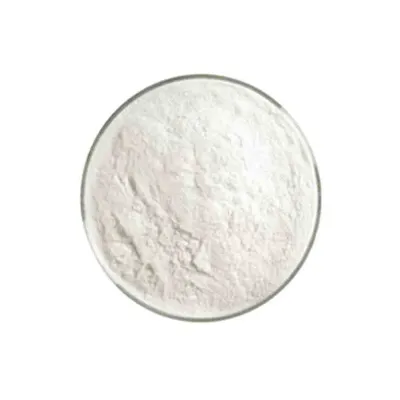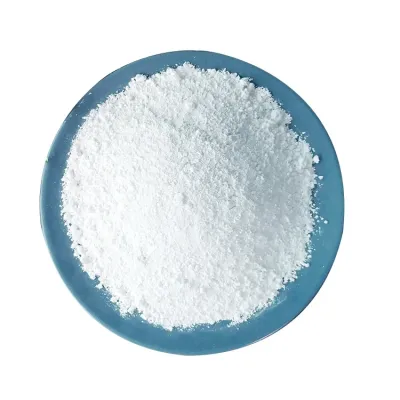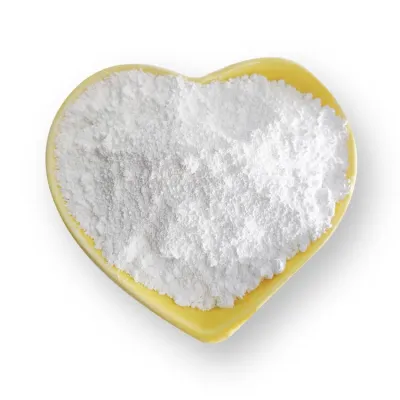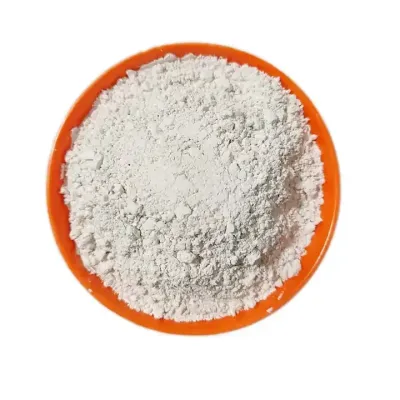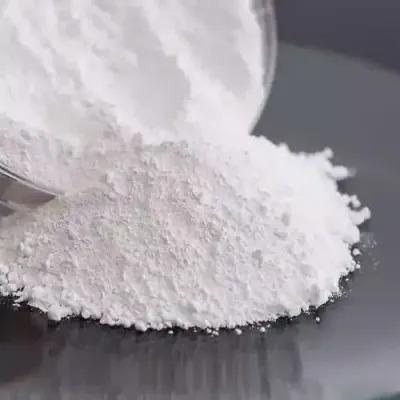
Industrial Magnesium Carbonate CMgO3 95% Min White Powder for Sports-Material and Chemical-Grade Evaluation
-
ColorWhitePhysical formPowder
-
CAS No.13717-00-5Purity95%MIN
-
AppearanceWhite powder, White powderApplicationAlkaline agent, desiccant, color protection
-
ClassificationCarbonateEINECS No.208-915-9
-
Grade StandardIndustrial Grade, Reagent GradeMolecular FormulaCMgO3
-
TypeMagnesium CarbonateProduct nameMagnesium Carbonate
-
CAS13717-00-5Density2.958 g/cm³
-
Melting PointDecomposes above 350°CSolubilityInsoluble in water
-
HS CODE28369910.00GradeIndustral Grade
-
Packing25kg/bagUsageAlkaline agent
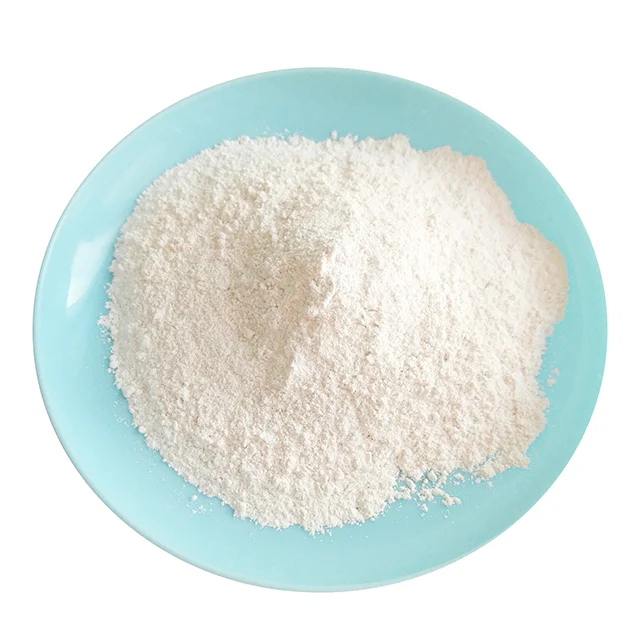
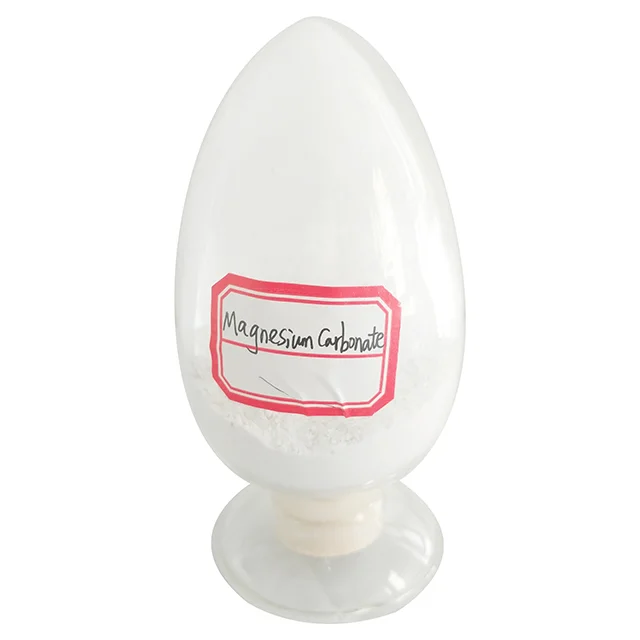
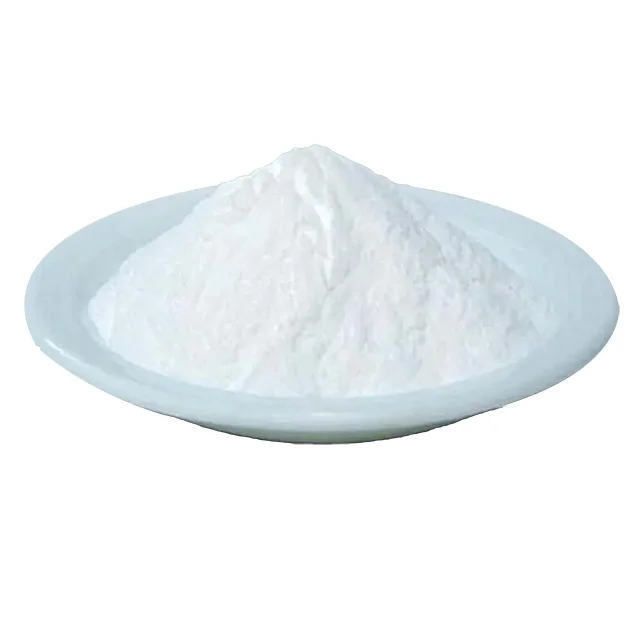
A sports-material or chemical-grade comparison needs actual powder data and a defined use requirement. This industrial magnesium carbonate is stated as CMgO3, described as white powder with 95% minimum purity, water insolubility and density of 2.958g/cm³.
Set the actual powder and chemical acceptance limits
Request current assay, moisture and individual impurities for the offered grade. Add the particle measurements relevant to the project, because white appearance and a purity threshold do not supply the complete material specification or establish an actual performance result.
Define the sports-material contact requirement
Explain the intended use and the material and contact criteria that need qualification. A sports direction does not demonstrate grip or suitability for skin contact, so relevant evidence should concern the actual offered grade and the proposed conditions.
- Chemical use directions
- Alkaline agent, desiccant and colour protection are listed material enquiries, without a measured capacity or performance result.
- Thermal descriptor
- Decomposition above 350°C is reported, rather than a processing instruction or operating range.
Require a trial that answers the chosen material question
Assess the appropriate sample against the project’s accepted chemical, powder and use criteria. Evidence for one duty should not be treated as qualification for every listed application or an approval for a specialty grade.
Request current safety and technical information and method-defined sample records for the actual material. Keep the grade analysis and contact or process requirements together so the decision follows relevant qualification, without an assumed producer identity or an unsupported sports-performance advantage.