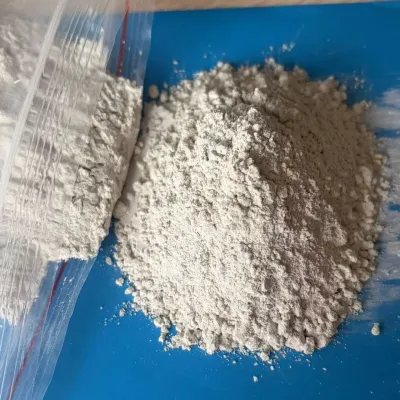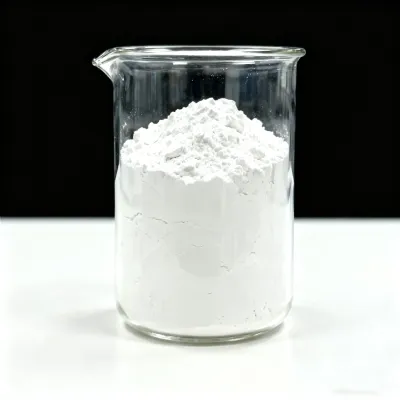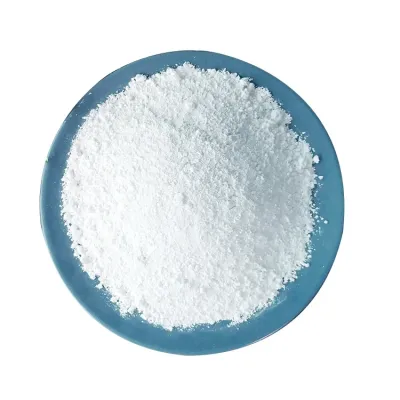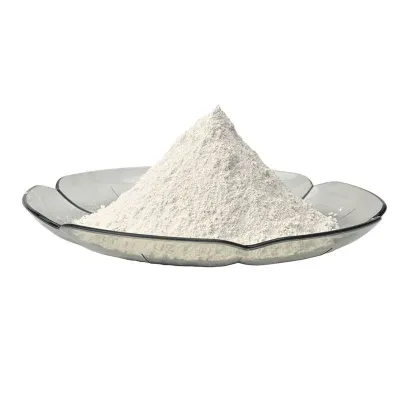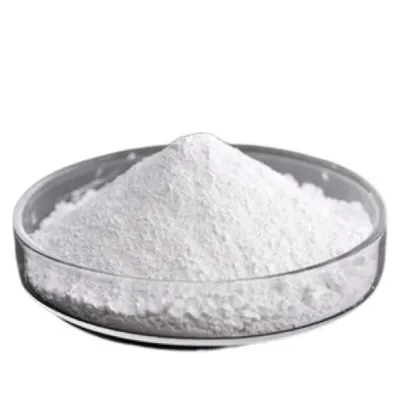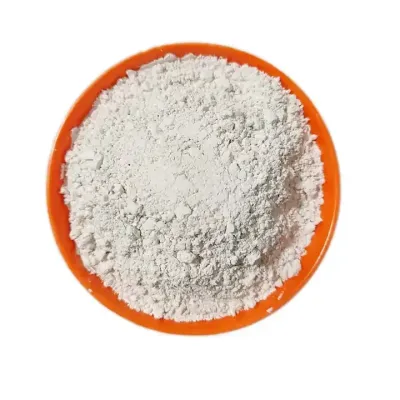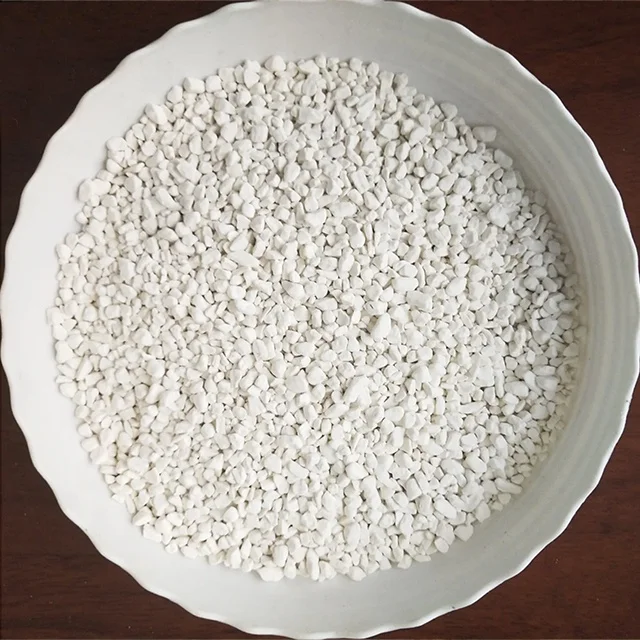
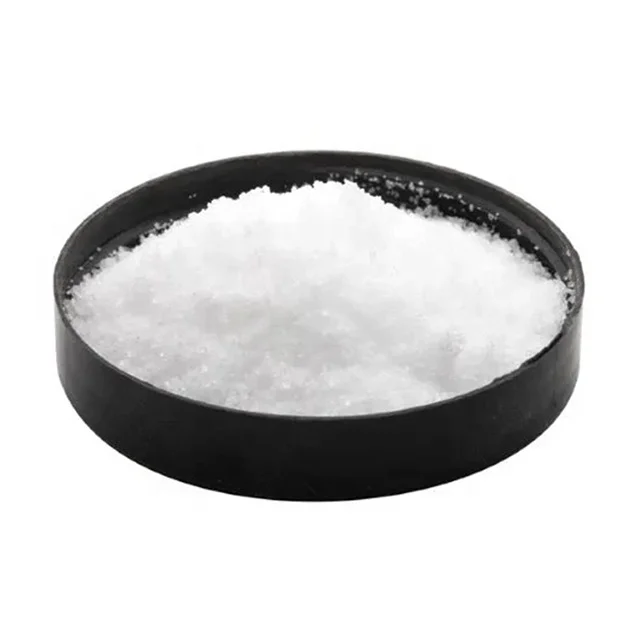
Industrial Potassium Sulfate K2O4S 99% Minimum White Granular Powder for Fertilizer-Material Assessment
-
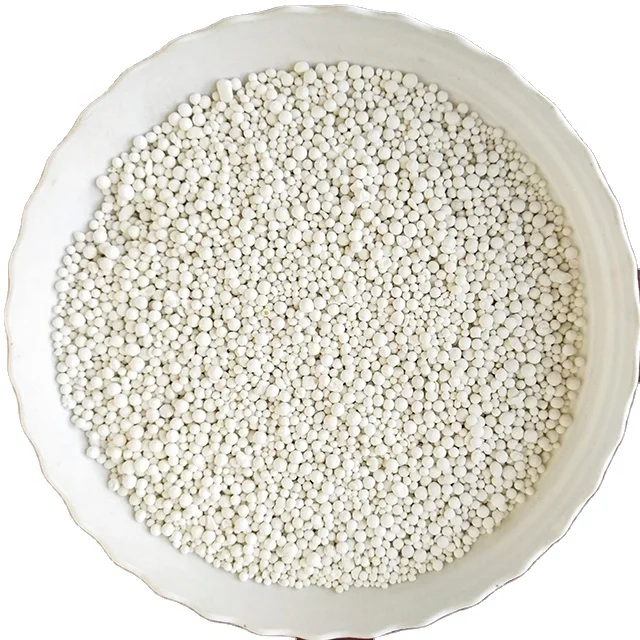
ColorWhitePhysical formGranular , Powder
-
CAS No.7778-80-5Purity99%min
-
AppearanceGranular powderClassificationSulphate
-
EINECS No.231-915-5Grade StandardIndustrial Grade
-
Molecular FormulaK2O4SOther NamesArcanum duplicatum
-
TypePotassium sulfateProduct namePotassium sulfate
-
Melting point1067°CBoiling point1689°C
-
density2.66colorWhite
-
EINECS number231-915-5GradeIndustral Grade
-
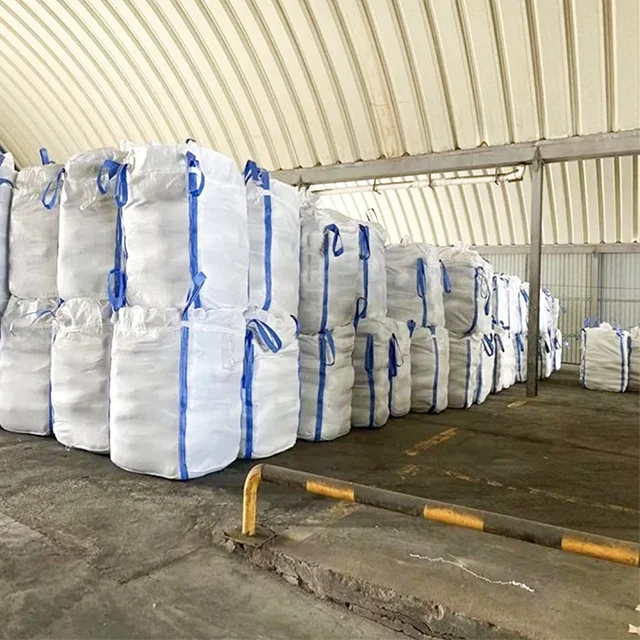
Package25kg/bagCAS7778-80-5
-
Usageself
For a potassium fertilizer-material enquiry, distinguish chemical assay from the nutrient information required by the project. This industrial potassium sulfate is designated K2O4S and described as white granular powder with purity 99% minimum.
Compare compound purity and nutrient reporting separately
The stated minimum is a purity description for the compound, not a potassium nutrient guarantee. Request current analysis with its method, alongside the nutrient-content basis and impurity limits needed for the actual fertilizer-material assessment.
Check the granular powder against formulation requirements
Describe the intended material role and confirm the actual supplied form. Obtain relevant particle or other physical measurements if the formulation requires them, and evaluate the offered grade against the project’s own material acceptance criteria.
- Define the fertilizer-material analysis and physical-form requirements.
- Review current compound assay, nutrient reporting and relevant impurities.
- Obtain appropriate application evidence for the intended use.
Keep thermal descriptors separate from use recommendations
The listed melting and boiling descriptors are 1067°C and 1689°C respectively. They do not define a processing instruction, a fertilizer application rate or evidence of crop performance.
The fertilizer direction in the product name still needs actual-grade and intended-use qualification. Review current safety information and any applicable project requirements, then assess relevant formulation or crop-use evidence with appropriate expertise; the industrial designation alone does not establish an agronomic prescription or a yield benefit for the proposed material.