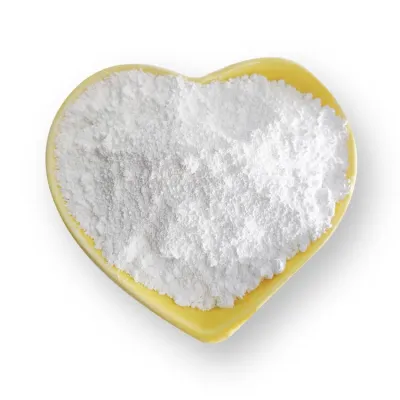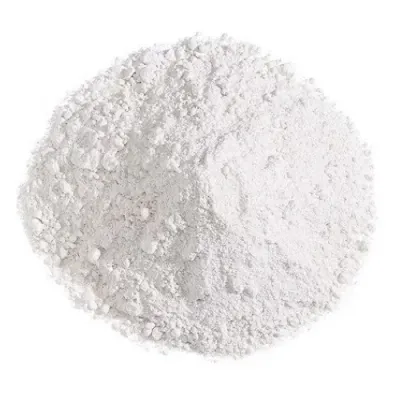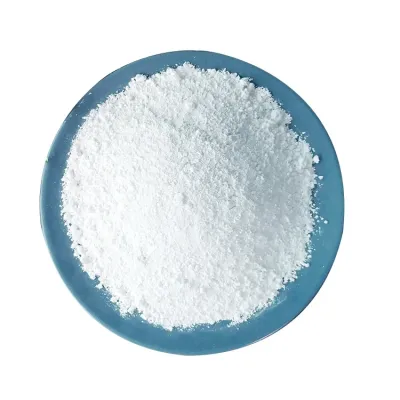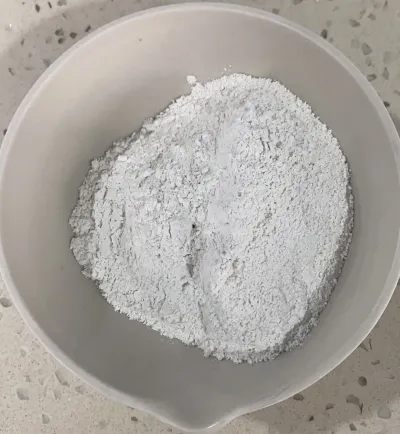
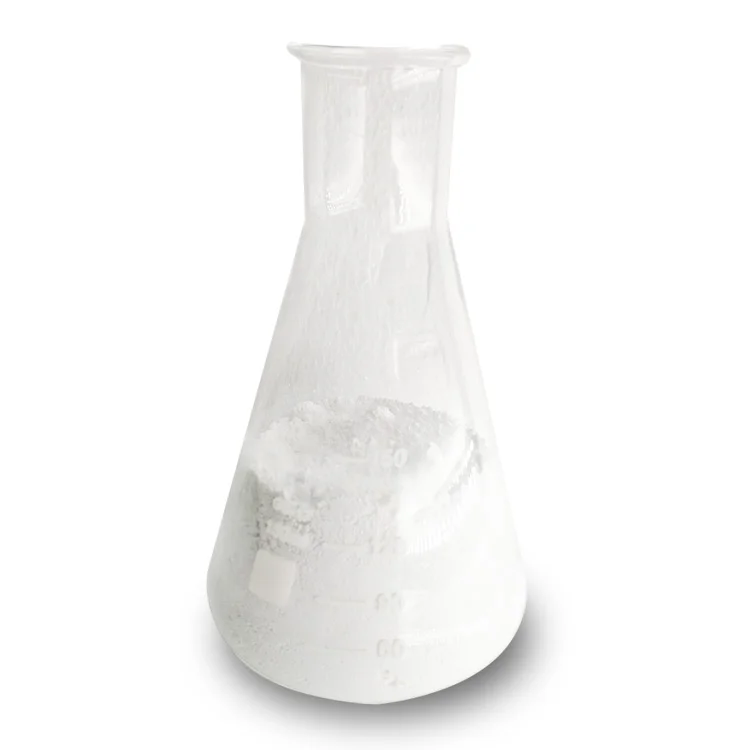
Industrial Precipitated Barium Sulfate for Paper, 98.6% Minimum Purity, D50 0.7 μm
-
Particle-size designationD50 specifiedColorWhite
-
Physical formPowder
-
CAS No.7727-43-7Purity98.6% Min, 98.6%
-
AppearanceWhite PowderApplicationIndustrial
-
ClassificationSulphateEINECS No.231-793-3
-
Grade StandardIndustrial GradeMolecular FormulaBaSO4
-
Other Namesprecipitated barium sulfateTypeBarium Sulfate
-
Product nameprecipitated barium sulfateColorPure White
-
CertificateISOHs code28332700.00
-
GradeIndustrial Grade Food GradeUsagePaper industry
-
Moisture0.07%Solubility0.06%
-
PH Value6.5-9
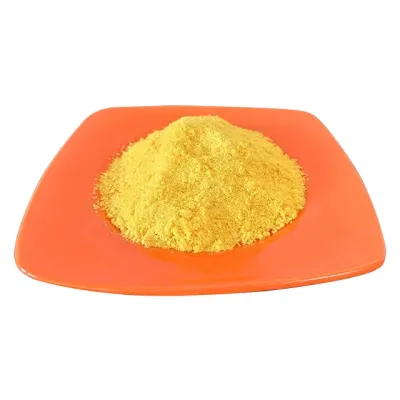
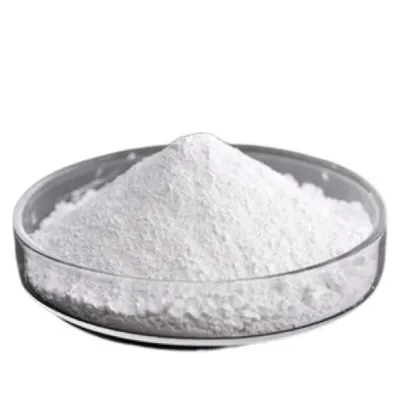
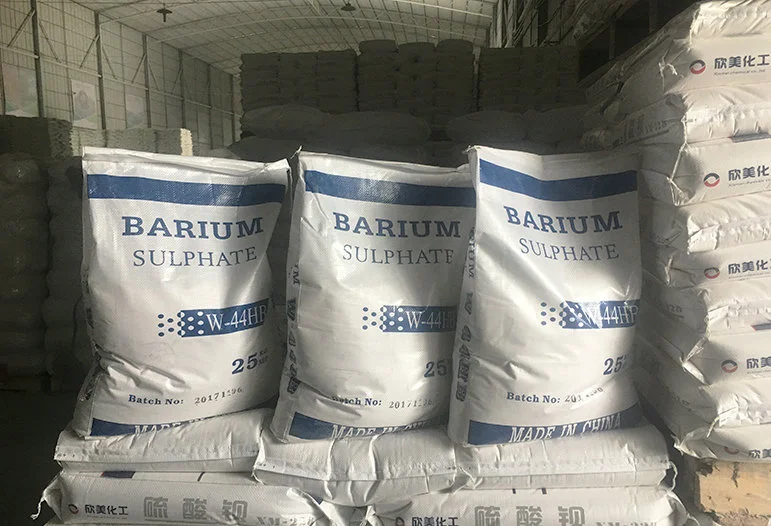
A median particle value can start a paper-mineral comparison, provided it is supported by the relevant report. This white industrial precipitated barium sulfate has stated D50 of 0.7 μm and minimum purity of 98.6%. Paper industry is its named application direction.
Ask for the distribution around the stated median
Request the measurement report for D50 and the rest of the particle distribution. Confirm the method and sample preparation used for the analysis. A median value does not define the upper particle tail or establish suitability for a particular paper-process role.
Compare moisture and pH independently
The stated moisture value is 0.07%, while pH is given as 6.5–9. Keep both measurements attached to their test methods and compare them with the project's acceptance requirements. They describe different powder properties and cannot replace an assay or a finished-sheet evaluation.
Qualify the mineral through the intended paper system
Define where the powder would enter the process and which processing or sheet criteria determine success. Evaluate the selected sample under those conditions rather than inferring a paper-performance benefit from fineness alone. Keep the minimum-purity requirement explicit in the current analysis request.
- Identify the intended paper-process role.
- Agree on the particle and analytical acceptance basis.
- Record the result from the actual sample trial.
Match documentation to the intended use
Food-related projects require applicable grade and regulatory evidence of their own. Request any certificate scope needed by procurement and keep it with the sample documents. Industrial classification alone does not establish those additional qualifications.