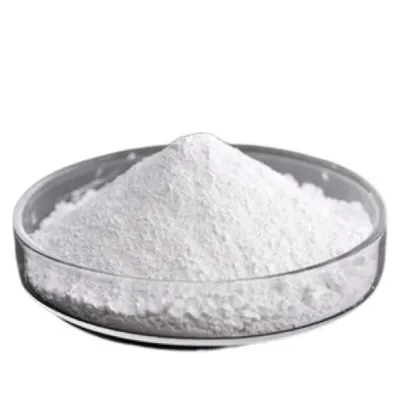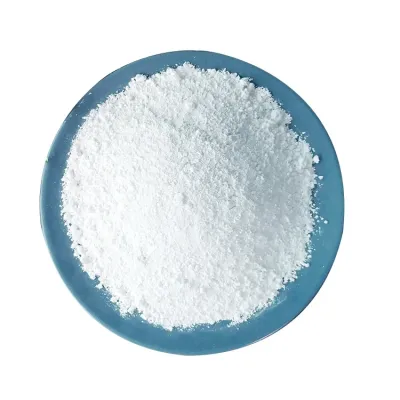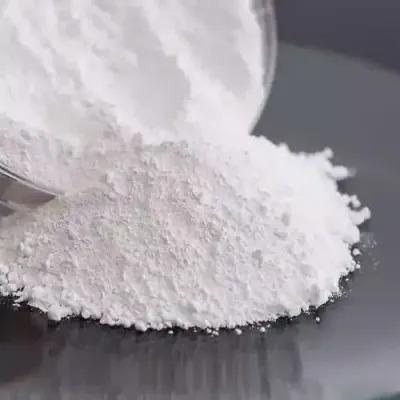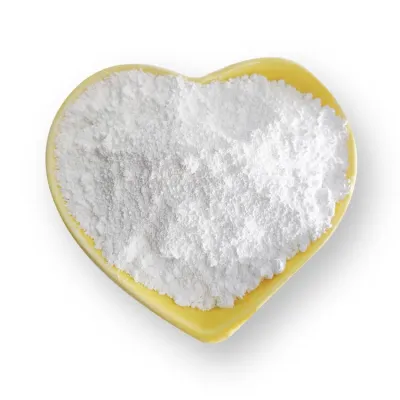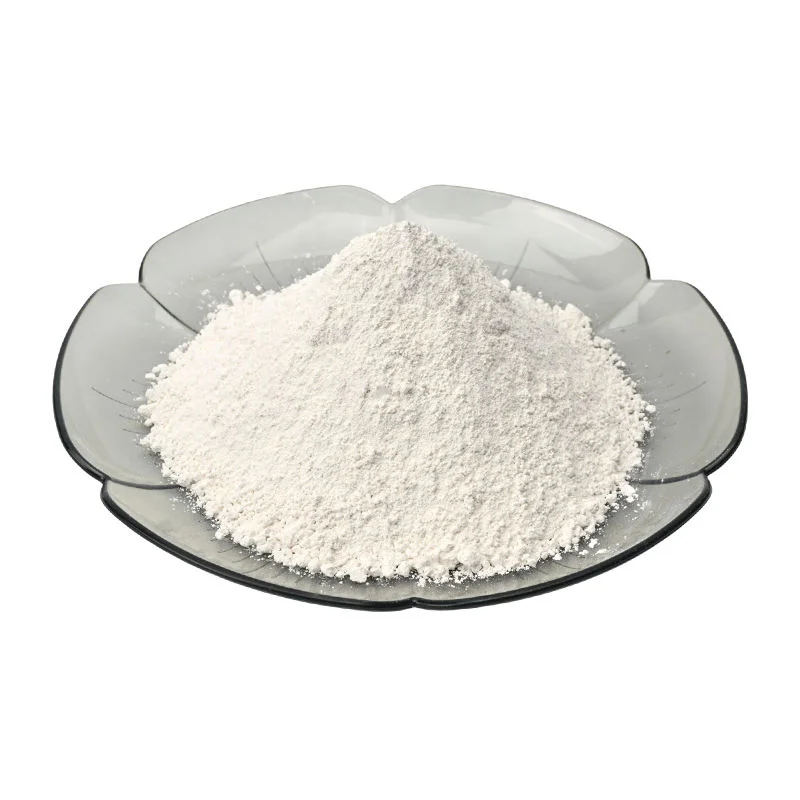
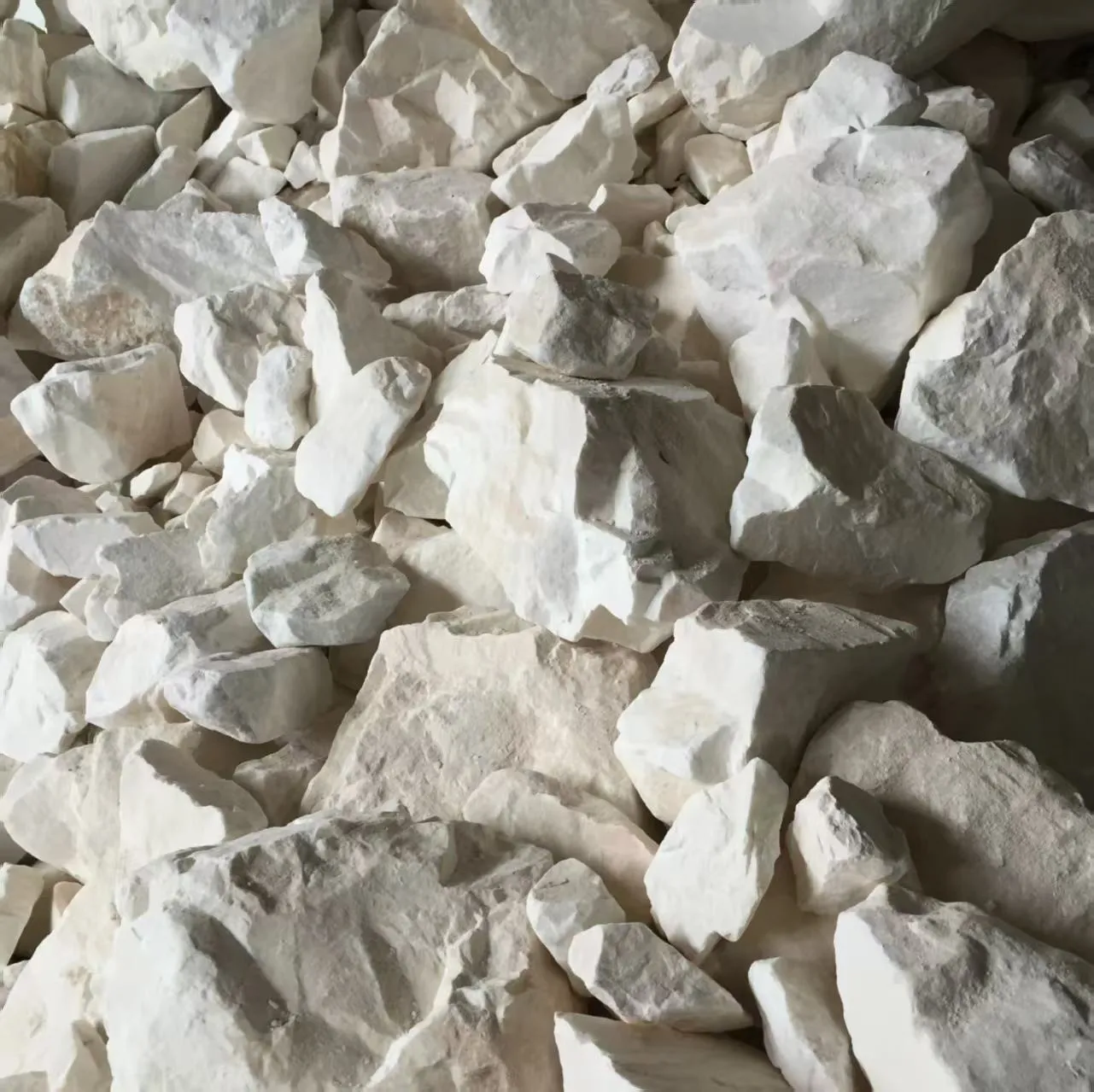

Industrial Precipitated Light Calcium Carbonate 96% CaCO3 White Superfine Powder for Grade Assessment
-
ColorWhitePhysical formPowder
-
CAS No.471-34-1Purity96%
-
Appearancewhite superfine powerApplicationPaint, Plastic, Rubber, Paper Making, Building
-
ClassificationCarbonateEINECS No.207-439-9
-
Grade StandardIndustrial GradeMolecular FormulaCaCO3
-
Other Nameslight Calcium CarbonateTypeCalcium Carbonate
A fair grade comparison uses measurements on a common basis. This industrial precipitated light calcium carbonate is described as white superfine powder with formula CaCO3 and stated purity 96%, for application assessment.
Make the reports comparable before judging samples
Request the analysis and physical tests for the premium product or standard product option under consideration. Confirm the test methods and reporting bases used for each comparison sample. The model names do not establish a measured difference in purity, grading or performance.
Separate composition from physical acceptance
Check the stated purity and the impurities relevant to the material requirements in current analysis. Obtain particle measurements independently; superfine alone does not define a numerical size distribution or mesh.
- Optical comparison
- Ask for a numerical whiteness result with its method if the application requires one.
- Further material questions
- Request treatment, moisture or oil-absorption evidence where relevant. Light does not establish a density value.
Compare results within the actual application
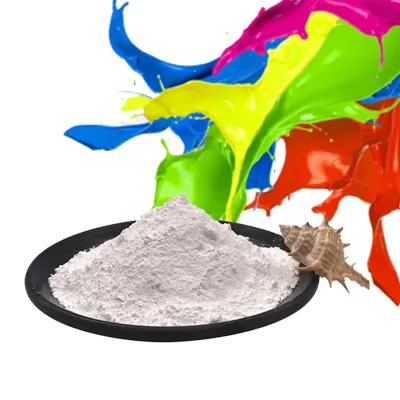
Paint, plastic, rubber, paper making and building are the named assessment areas. Describe the particular formulation or process and agree representative conditions for testing the proposed powder. The chemical identity does not verify dispersion, opacity, reinforcement, paper strength or an addition ratio. Keep the sample reference and current technical and safety documents with the assessment record, and judge each proposed use against its own criteria rather than assuming transferable performance.