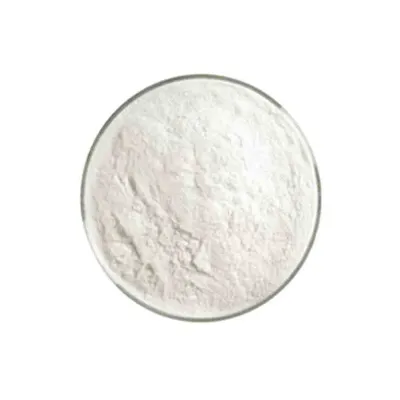
Industrial Quicklime CaO Calcium Oxide White Powder ≥95% for Steelmaking and Chemical Material Assessment
-
ColorWhitePhysical formPowder
-
CAS No.1305-78-8Purity>=95%
-
Appearancewhite powderApplicationSteel making & Chemical Industry and so on
-
ClassificationCalcium OxideEINECS No.215-138-9
-
Grade StandardIndustrial GradeMolecular FormulaCao
-
Other NamesQuicklime, Unslaked Lime, Burnt LimeOxide TypeMetal Oxides
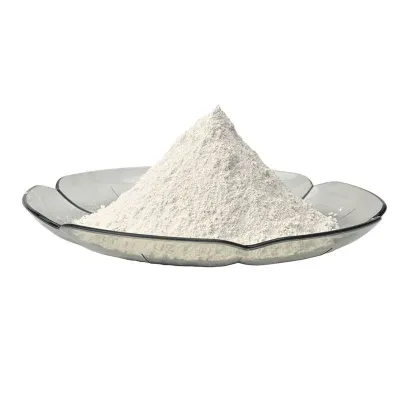
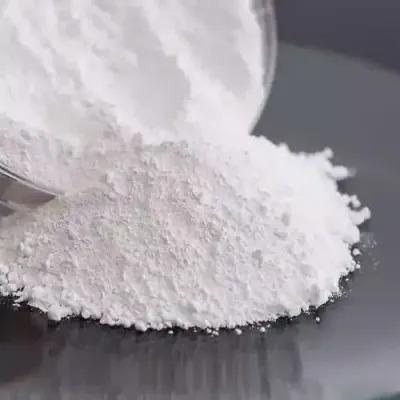
Begin a steelmaking or chemical-material enquiry with the limits the plant needs to evaluate. This industrial quicklime is calcium oxide CaO in white powder form, with stated purity ≥95%. The proposed grade still needs to be matched to those requirements.
Define the material brief before requesting results
Identify the relevant assay and impurity criteria, together with the physical powder requirements. Treat the ≥95% purity as a minimum, not as a complete sample analysis. Ask for current results carrying the actual material reference so the technical comparison concerns the grade proposed.
Turn the activity designation into a test question
For the 420ml description, ask which quantity is measured, under what conditions and at which endpoint. Request the full procedure and report. Activity wording without that basis does not supply a verified reactivity rate or a reliable ranking between powders.
- Agree the test definition used for comparison.
- Identify the material linked to the result.
- Compare reports only after confirming equivalent conditions.
Decide whether the evidence meets the plant brief
Obtain particle or sieve data separately; powder form does not specify a mesh grade. White appearance is also distinct from a measured whiteness value. Review the chemical, physical and method-defined activity evidence together with current technical and safety documentation.
Plan a representative assessment for the actual steelmaking or chemical operation and retain its acceptance criteria with the sample identity. The material description does not establish a universal operating recipe, guaranteed reactivity or a process outcome for every plant.