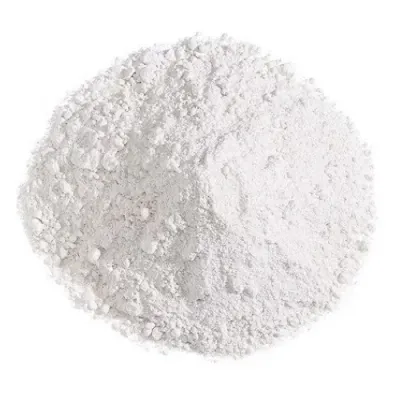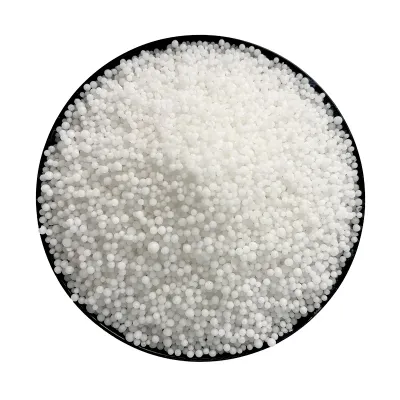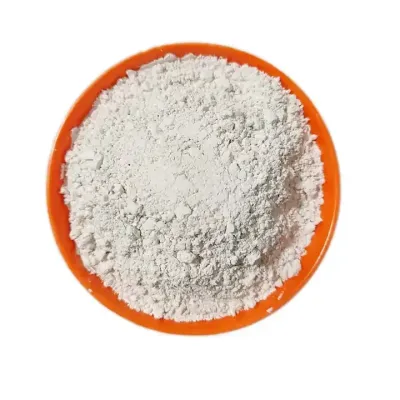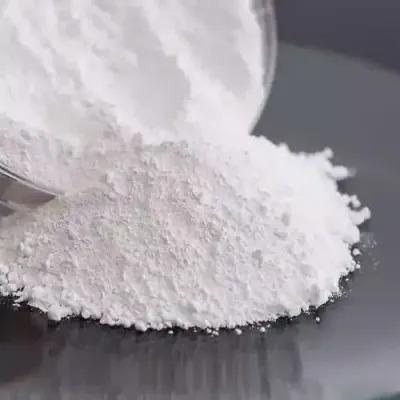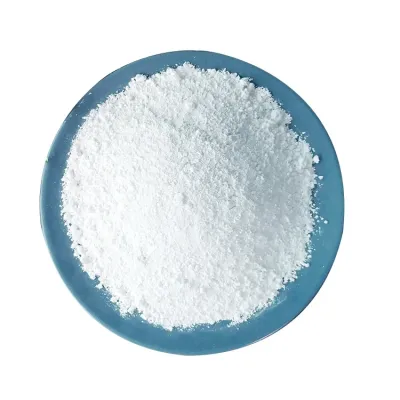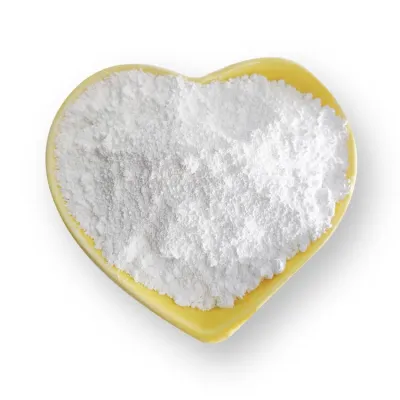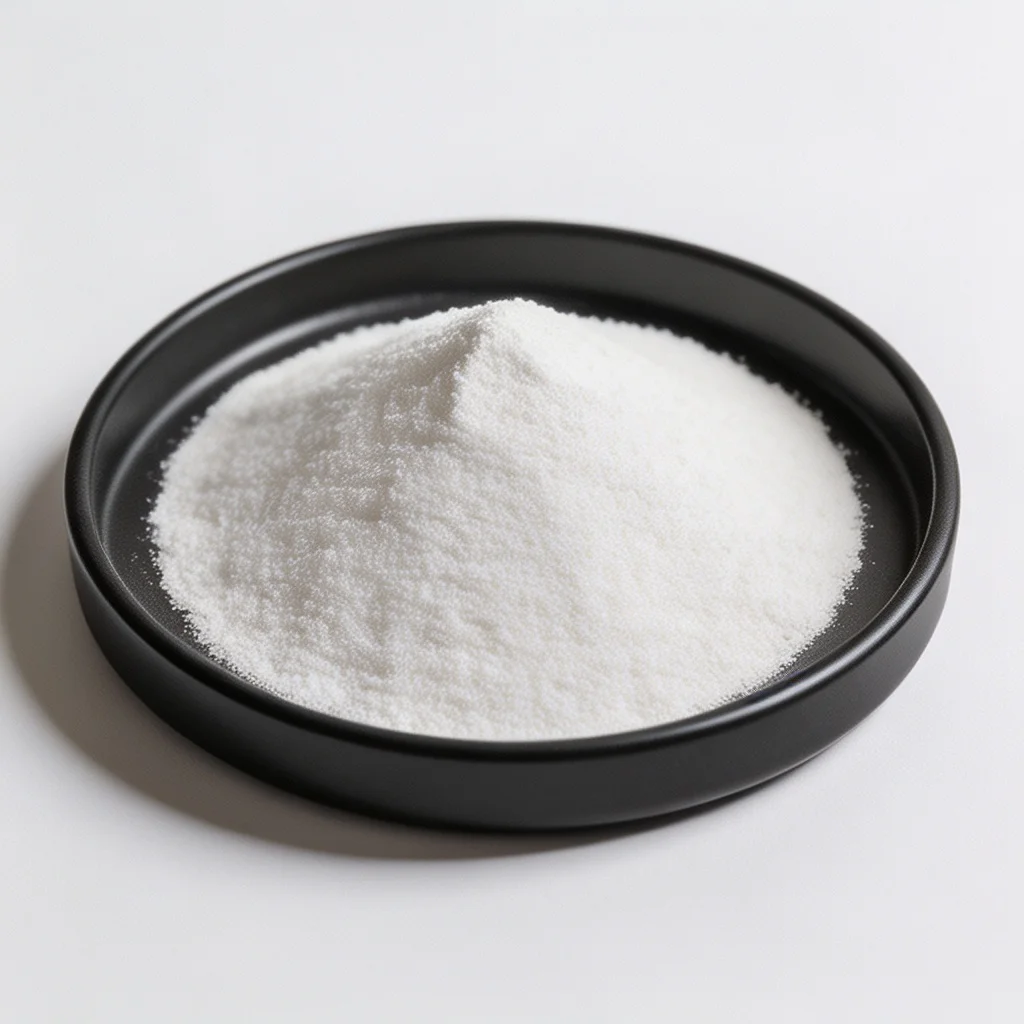
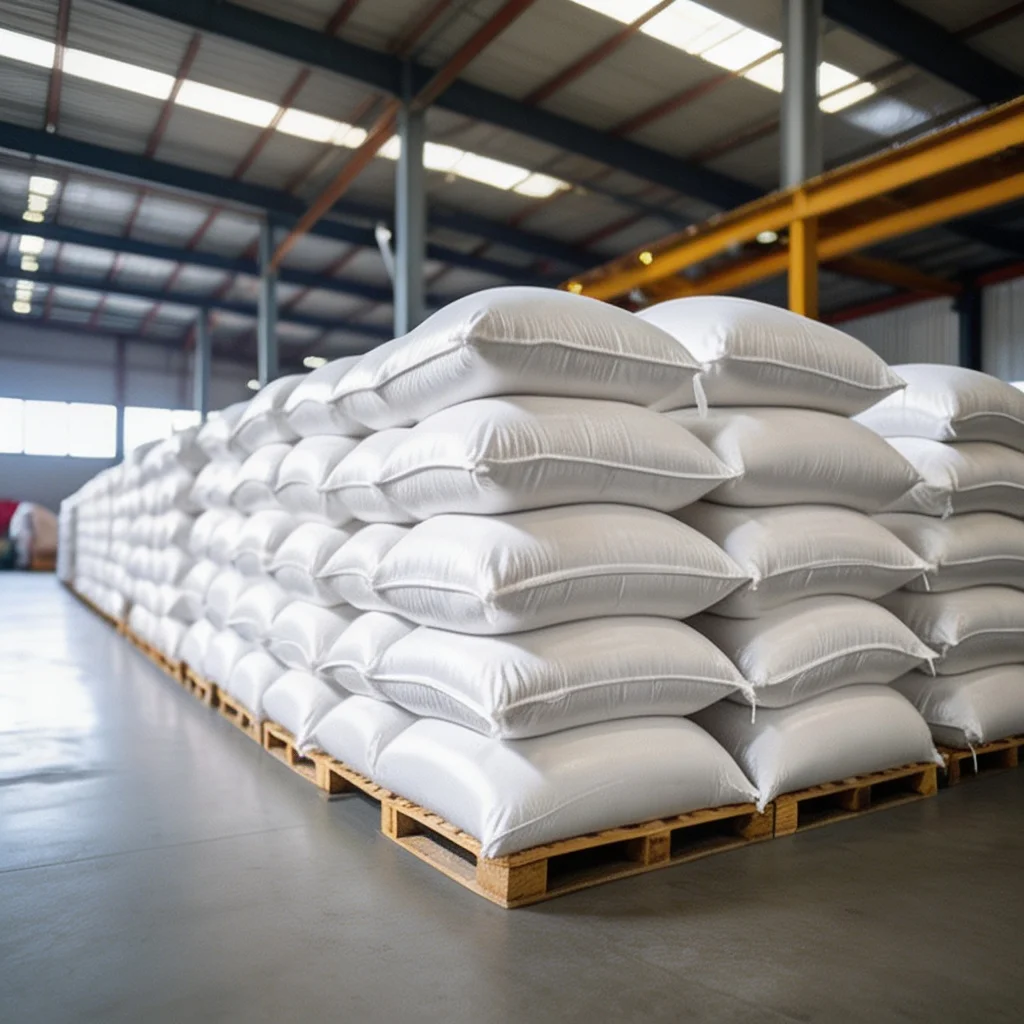
Industrial Quicklime CaO Powder, Purity ≥95%, for Steelmaking and Chemical-Process Enquiries
-
ColorWhitePhysical formPowder
-
CAS No.1305-78-8Purity>=95%
-
Appearancewhite powderApplicationSteel making & Chemical Industry and so on
-
ClassificationCalcium OxideEINECS No.215-138-9
-
Grade StandardIndustrial GradeMolecular FormulaCao
-
Other NamesQuicklime, Unslaked Lime, Burnt LimeOxide TypeMetal Oxides
A plant acceptance brief should define the quicklime comparison before a sample is selected. This industrial calcium oxide is described as white CaO powder with stated purity ≥95%, for steelmaking and chemical-industry enquiries.
Write the plant's material criteria
Specify the required chemical limits, supplied form and particle characteristics for the intended process. Identify which activity evidence the plant accepts and which methods make results comparable. A broad industrial-use designation does not establish suitability for a particular installation.
Match the assay and physical report
Obtain a current analysis for the proposed grade, keeping the ≥95% minimum distinct from the sample's measured assay. Request the particle specification and its method under the same material identifier. The chemical minimum alone does not determine particle behaviour or a validated reactivity ranking.
Clarify the 420ml activity designation
Ask what the volume represents and obtain the full procedure, conditions and endpoint. Keep these details with the sample record so a comparison concerns equivalent tests rather than similar activity wording.
Keep qualification tied to the proposed quicklime
Review matched technical and safety documentation before a representative evaluation against the steelmaking or chemical-process brief. No high-reactivity ranking or operating recipe is established here. Record the actual grade, test methods and acceptance observations together. A repeat enquiry can then identify the material evaluated and distinguish a changed powder specification from a changed plant requirement or qualification condition.